This post may contain affiliate links. Please see my disclosure policy for more information.
How to Make Fruits and Vegetables Last Longer
Fresh fruits and vegetables are a healthy addition to almost any meal, but they can also be one of the easiest things to waste. There is nothing more frustrating than buying fresh produce only to find wilted lettuce, moldy berries, or soft vegetables hiding in the refrigerator a few days later.
The good news is that proper storage can make a big difference. Different fruits and vegetables have different storage needs, and knowing where and how to store them can help them stay fresh longer. It can also save you money by reducing the amount of produce that ends up in the trash.
Here are some simple tips for storing common fruits and vegetables and helping your fresh produce last longer.
Wash Produce at the Right Time
It can be tempting to wash all of your produce as soon as you get home from the grocery store. However, excess moisture can cause some fruits and vegetables to spoil faster.
For many types of produce, it is better to wait until you are ready to eat them before washing. Berries, in particular, can become moldy more quickly when they are stored wet.
If you do wash produce ahead of time, make sure it is completely dry before storing it. Using paper towels to absorb excess moisture can help.
How to Keep Berries Fresh Longer
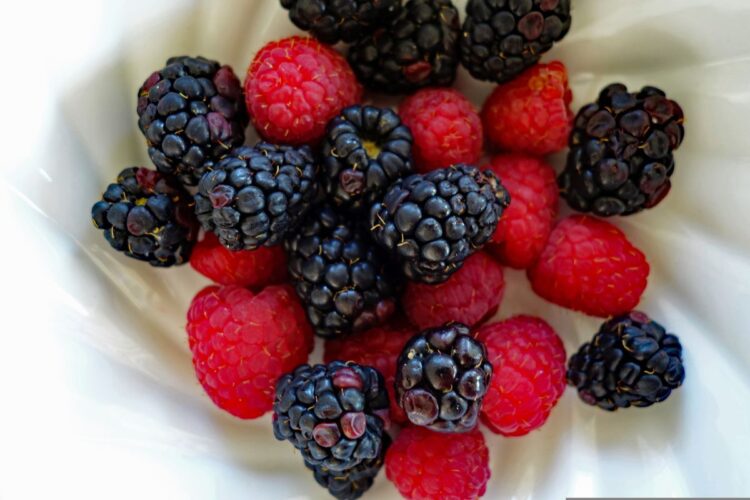
Strawberries, blueberries, raspberries, and blackberries can spoil quickly, especially when moisture gets trapped in the container.
Before storing berries, check for any berries that are already soft, damaged, or moldy and remove them. One bad berry can quickly affect the others.
Keep berries refrigerated and store them in a container that allows some air circulation. You can also place a paper towel in the bottom of the container to help absorb excess moisture.
For berries that you will not use soon, freezing them is another great option. Spread clean, dry berries on a baking sheet and freeze them until solid before transferring them to a freezer-safe container or bag.
Keep Lettuce, Greens, and Spinach Fresh
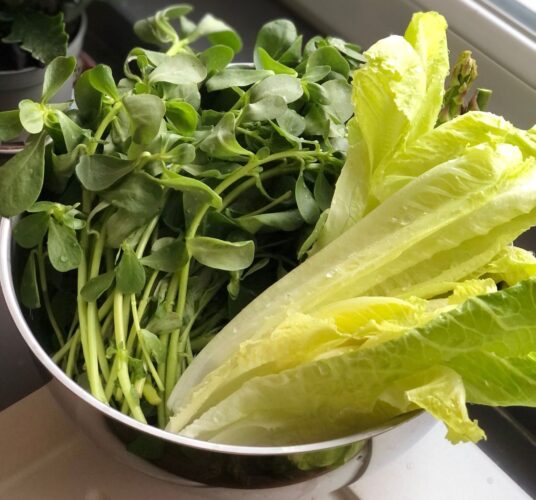
Leafy greens can quickly become wilted or slimy when too much moisture is trapped around the leaves.
If your lettuce or spinach is wet, gently dry it before storing. Line a storage container or bag with paper towels to absorb excess moisture. If the paper towel becomes damp, replace it.
Keeping leafy greens in the refrigerator’s crisper drawer can also help maintain the proper humidity.
Try not to pack greens too tightly. A little room for air circulation can help prevent moisture from building up.
How to Store Carrots

Carrots can last quite a while when stored properly.
If your carrots have their green tops attached, remove the tops before storing them. The greens can draw moisture from the carrots and cause them to become limp.
Store carrots in the refrigerator in a plastic bag or container. If they begin to lose their crispness, soaking them in cold water for a short time can help restore some of their crunch.
Keep Celery Crisp
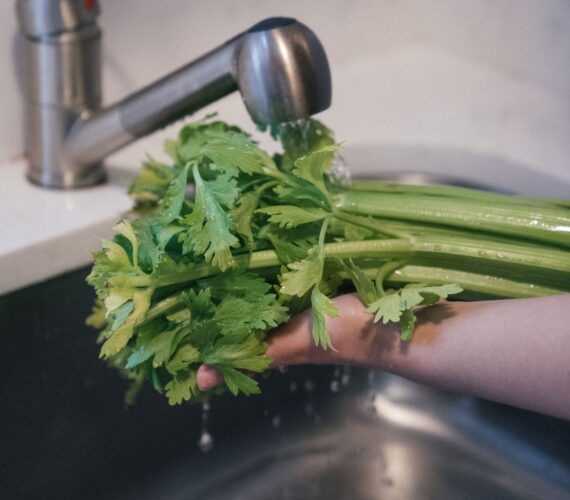
Celery can become limp when it loses moisture.
Store celery in the refrigerator and keep it wrapped or in a container that helps prevent it from drying out. If you have room, storing it in the crisper drawer can also help.
If celery has already become a little limp, placing the stalks in cold water for a while can help bring back some of their crispness.
How to Store Fresh Herbs
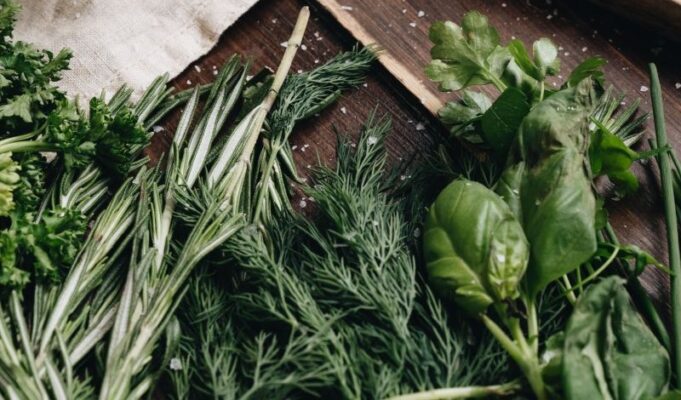
Fresh herbs can be surprisingly difficult to keep fresh. The best storage method depends on the type of herb.
Tender herbs such as parsley, cilantro, and basil have different needs than sturdier herbs such as rosemary, thyme, and sage.
For many tender herbs, you can treat them somewhat like flowers. Place the stems in a small amount of water and loosely cover the herbs before refrigerating. Basil is an exception and generally does better at room temperature away from direct sunlight.
You can also dry fresh herbs if you have more than you can use. See our guide on How to Dry and Store Fresh Herbs for another way to preserve them.
Keep Bananas From Ripening Too Quickly

Bananas can seem to go from green to perfectly ripe to overripe in no time.
Keep bananas at room temperature until they reach the ripeness you prefer. Once they are ripe, you can refrigerate them to slow the ripening process. The peel may turn brown or black in the refrigerator, but the fruit inside can remain usable.
You can also separate bananas from the bunch to slow down the ripening process. Wrapping the stems with plastic wrap is another popular method that may help reduce how quickly they ripen.
Don’t throw away overripe bananas, either. They are perfect for banana bread, smoothies, pancakes, and other recipes.
How to Store Apples
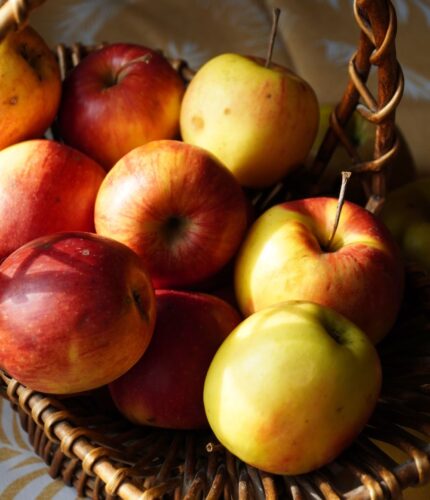
Apples can last considerably longer in the refrigerator than they do sitting on the counter.
Keep apples in the refrigerator if you want them to stay fresh longer. If you prefer apples at room temperature, only keep out what you expect to eat within a few days.
Apples release ethylene gas as they ripen, which can affect some other fruits and vegetables. For that reason, it is a good idea to keep apples away from produce that is sensitive to ethylene.
How to Store Potatoes

Potatoes should generally be stored in a cool, dark, dry place rather than in the refrigerator.
Keep them somewhere with good air circulation and avoid storing them in a sealed plastic bag. A paper bag, basket, or other breathable container can work well.
Keep potatoes away from onions when possible. The two can cause each other to spoil more quickly when stored together.
How to Store Onions
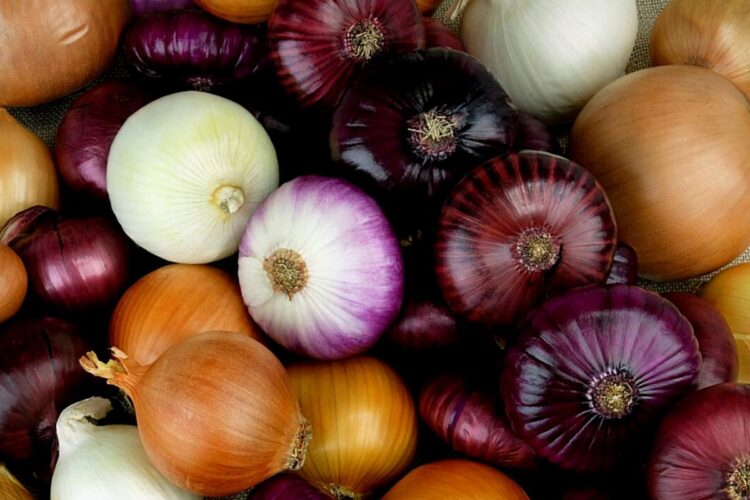
Whole onions should be kept in a cool, dry, well-ventilated location. Avoid sealing them in an airtight container because they need air circulation.
Once an onion has been cut, place it in an airtight container and refrigerate it.
It is also a good idea to store onions away from potatoes. Keeping them separate can help both last longer.
Keep Mushrooms Fresh
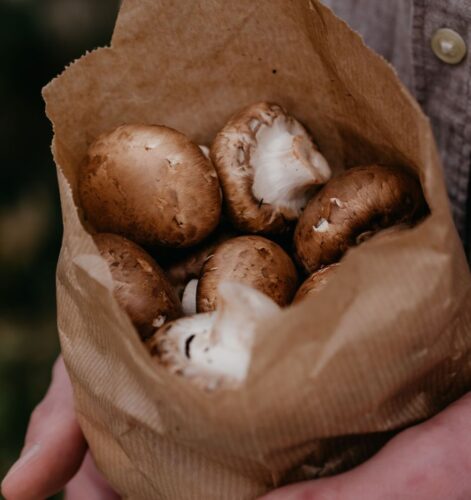
Mushrooms can become slimy when they are exposed to too much moisture.
Store fresh mushrooms in the refrigerator, preferably in their original packaging if it allows some ventilation, or in a paper bag. If you move them to another container, avoid completely sealing in moisture.
Try not to wash mushrooms until you are ready to use them. If they do need cleaning, gently wipe them or rinse them quickly and dry them thoroughly.
How to Store Tomatoes

Tomatoes are generally best stored at room temperature, especially when they are not fully ripe.
Keep tomatoes away from direct sunlight and use them within a few days. Once they are fully ripe, refrigeration can help extend their life, although it may affect their texture and flavor.
If you have tomatoes that are beginning to get too ripe, consider using them in salsa, sauces, soups, or other recipes instead of letting them go to waste.
Store Cucumbers Properly

Cucumbers can become soft or develop cold damage when stored in the wrong conditions.
For best results, keep them in a cool area of the refrigerator rather than in the coldest part. Wrapping them loosely can also help protect them from drying out.
Try to keep cucumbers away from fruits that produce large amounts of ethylene gas, such as apples and bananas.
How to Store Avocados
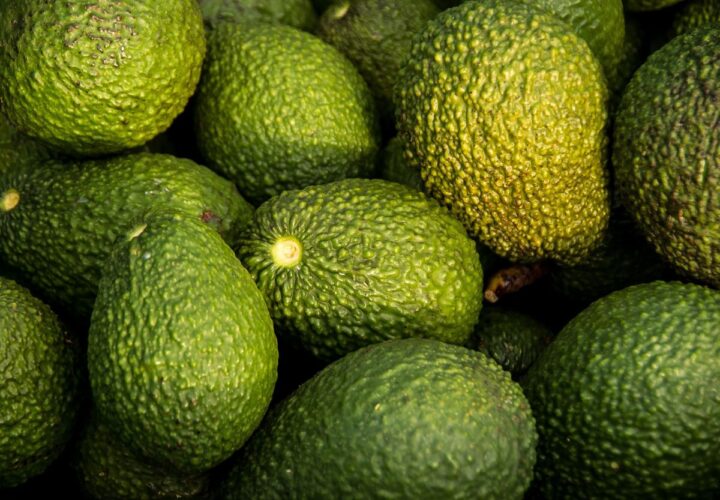
Keep unripe avocados at room temperature until they are ready to eat.
Once an avocado is ripe, move it to the refrigerator to slow down the ripening process.
If you only use half of an avocado, leave the pit in the unused half if possible and store it in an airtight container in the refrigerator. A little lemon or lime juice on the exposed surface can also help slow browning.
Don’t Refrigerate Everything
One of the easiest ways to extend the life of your produce is to learn which fruits and vegetables actually belong in the refrigerator.
Some produce does best on the counter or in a cool, dry pantry. Examples can include:
- Bananas
- Potatoes
- Onions
- Garlic
- Whole tomatoes
- Unripe avocados
- Basil
Other produce generally benefits from refrigeration, including:
- Berries
- Leafy greens
- Carrots
- Celery
- Apples
- Broccoli
- Cauliflower
- Grapes
- Cut fruits and vegetables
Storage recommendations can vary depending on the specific produce and how ripe it is, so when in doubt, check the recommended storage method for that particular food.
Keep Ethylene-Producing Fruits Away From Sensitive Produce
Some fruits release ethylene gas as they ripen. This natural plant hormone can cause certain nearby fruits and vegetables to ripen or deteriorate faster.
Apples, bananas, pears, peaches, avocados, and tomatoes are examples of produce that produce ethylene.
Instead of storing everything together, consider separating ethylene-producing fruits from produce that is sensitive to ethylene. This small change can help extend the life of some fruits and vegetables.
Don’t Overcrowd Your Refrigerator
A packed refrigerator can make it difficult for cold air to circulate properly.
Try not to cram produce into drawers or containers. Giving fruits and vegetables a little breathing room can help prevent moisture from becoming trapped and can make it easier to spot produce that needs to be used soon.
It also helps to regularly clean out your refrigerator. If one piece of produce has started to mold or spoil, remove it promptly so it does not affect nearby food.
Use Your Oldest Produce First
One of the simplest ways to reduce food waste is to use older produce before opening or buying something new.
When you bring home groceries, move older fruits and vegetables toward the front of the refrigerator and put newer items behind them. This makes it easier to see what needs to be used first.
You can also designate one section of your refrigerator for produce that needs to be eaten soon.
Don’t Throw Away Produce That’s Past Its Prime
Not every wilted or soft fruit or vegetable needs to go straight into the trash or compost.
Slightly soft vegetables can often be used in soups, casseroles, stir-fries, or sauces. Overripe bananas work well in baking, while soft berries can be used in smoothies, sauces, or baked goods. We also offer a guide on the many Different Ways to Preserve Food.
Of course, if produce has visible mold, an unusual odor, or other signs of spoilage, it is best to throw it away rather than trying to salvage it.
Freeze Produce Before It Goes Bad
If you know you won’t be able to use fresh produce before it spoils, freezing can be a great way to save it.
Many fruits can be frozen for smoothies, baking, or other recipes. Vegetables can also be frozen, although many benefit from blanching first to help preserve their quality.
Freezing extra produce can save money and reduce food waste, especially when you find fruits and vegetables on sale.
For more ideas, check out our guide on Food – To Freeze or Not to Freeze.
Learning how to properly store your fruits and vegetables can help you get more out of the groceries you buy. A few simple changes, such as keeping berries dry, storing potatoes and onions separately, refrigerating ripe fruit, and using older produce first, can make a noticeable difference.
Proper produce storage is also a simple way to save money. Instead of throwing away food that spoiled before you had a chance to use it, you can make your groceries last longer and get more meals from every shopping trip.

- 5 packs : You will get 5 fridge storage containers with colander size from 300 ml to 4200 ml [10 oz - 148 oz ]. Suited for Most fruits, vegetables, berries, meats.
- 🍋 Keep food fresh for longer : The produce saver containers have a sealed environment built with the colanders and locks. Making it easy to rinse and filter out the water on the surface of vegetables and fruits to reduce food spoilage. Extending products fresh for a longer time and reducing shopping frequency.
- 🍋 Easy to open & colse : You can pretreatment and clean the fruit and very, your families are able to open the lid to eat fruit or berry anytime and anywhere . Good idea for store leftovers or to prep meals too.
- 🍋 Stay organized always : The fridge bins and organizers can help us categorize and organize produce, fruits, vegetables, berry and meat etc, keep your refrigerator and freezer organized. And fruit container are stackable whether it is in use or waiting for use.
- 🍋 Food grade material : The fruit containers is made of food grade material PP whcih is bpa free and durable. The Applicable temperature from -22℉ to 284℉(-30~140℃). Which mean's the food storage containers are dishwasher safe (lid not included), microwave safe (lid not included) and freezer safe.

- [Easy to Assemble] The fruit basket sets up in just 30 seconds without any tools and comes with detailed instructions. Its stackable design helps you make the most of your kitchen counter space.
- [Strong and Sturdy] Crafted from high-quality materials, the basket ensures lasting durability and stability even when fully loaded. The metal wires feature a smooth, coated finish that won’t scratch or damage your items.
- [Large Capacity] Holds enough fruit for the whole family for a week — and it’s not just for fruit! Perfect for storing bread, snacks, spices, or small kitchen tools to keep your counter clean and tidy. The open design allows air to circulate, keeping fruits fresh longer.
- [Upgraded Features] The Protective mats prevent small fruits like grapes from slipping through or getting pressure marks, keeping everything fresh and perfect. The banana hooks let bananas hang separately to avoid bruising and stay fresh longer.
- [After-sale Service] At Sevenblue, you can enjoy a 45-day full money-back guarantee, 360-day replacement, and dedicated customer service. We promise to provide the best solution within 24 hours.

- Protects Fruit: Features a food-grade protective liner to prevent small fruits from falling and avoid pressure marks. Perfect fruit holder.
- Removable Hooks: Includes two side hooks for hanging bananas and grapes, preventing bruising. A great fruit basket with banana hook.
- Spacious & Versatile: Two-tier design holds more fruit and bread, saving space. Can be separated for use in kitchen, living room, or bathroom.
- Easy Assembly: No tools required—sets up in one minute. A convenient fruit storage solution for busy homes.
- Sturdy & Rustproof: Made of heavy-duty iron, smooth, rust-resistant, and easy to clean. A durable fruit bowl with banana hanger counter.