
This post may contain affiliate links. Please see my disclosure policy for more information.
10 Plants That Prefer Full Sun
If you have a sunny spot in your yard, you have plenty of options when it comes to choosing plants and flowers. Many sun-loving plants thrive in bright, open spaces and can reward you with colorful blooms, attractive foliage, fragrance, and even food throughout the growing season.
What Does “Full Sun” Mean for Plants?
When a plant label says “full sun,” it generally means the plant needs at least 6 hours of direct sunlight per day. Some plants perform even better with 8 or more hours of sunlight.
Full-sun plants are often excellent choices for open garden beds, sunny borders, containers, and other areas that receive plenty of direct light. Many varieties are naturally heat- and drought-tolerant once established, making them relatively low-maintenance choices for sunny gardens.
Keep in mind that full sun can mean something different depending on your climate. A plant that happily sits in full afternoon sun in a cooler climate may appreciate some protection from the hottest afternoon rays in a hot, dry climate.
With good soil, proper drainage, and regular watering while plants become established, these sun-loving varieties can provide beautiful color and interest throughout the season. Here are 10 plants that do well in sunny areas.
Bee Balm
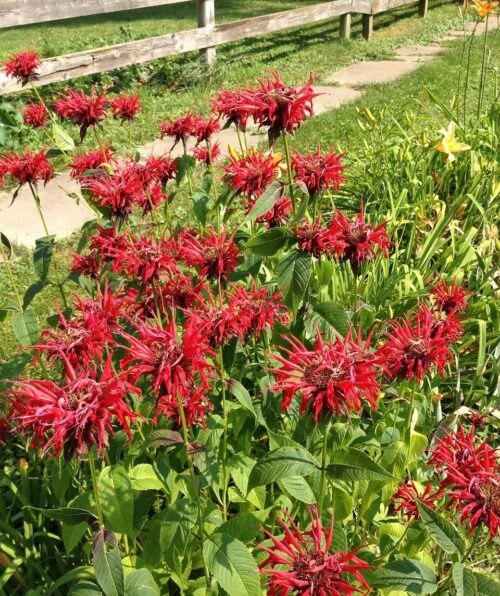
Bee Balm (Monarda) is a colorful perennial in the mint family. It is also known as bergamot, horsemint, and Oswego tea. The flowers come in shades of red, pink, purple, and white and can add a beautiful splash of color to a sunny garden.
Bee balm grows well in full sun to partial shade, although it generally produces the best flowering when it receives plenty of sunlight. It also attracts pollinators, including bees, butterflies, and hummingbirds.
Give bee balm good air circulation and well-draining soil, particularly in areas with humid summers.
Catnip
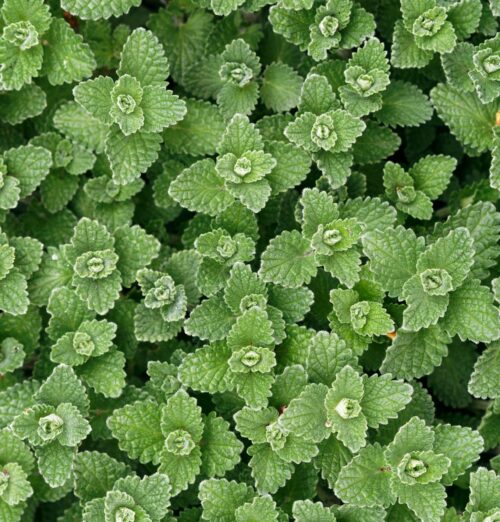
Catnip (Nepeta cataria) is a hardy member of the mint family and is best known for its attraction to cats. It is also a useful, low-maintenance plant for sunny gardens.
Catnip prefers full sun and well-draining soil and is relatively drought-tolerant once established. In especially hot climates, it can benefit from a little afternoon shade.
Because catnip can spread readily, choose its location carefully. Avoid planting it in areas where the soil stays consistently wet, as overly moist conditions can contribute to root problems.
Columbine
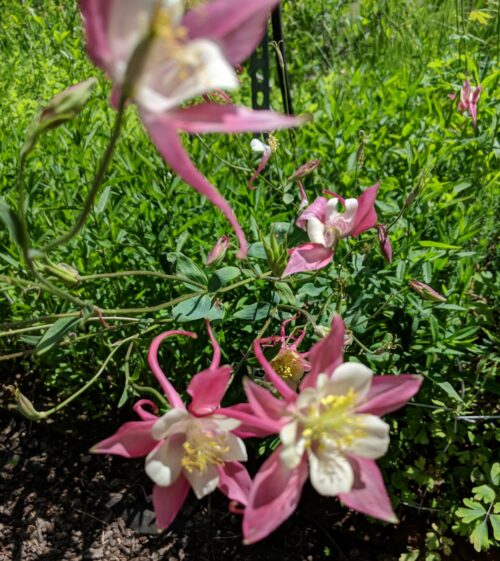
Columbine (Aquilegia) is an easy-to-grow perennial that comes in a wide variety of colors. The distinctive flowers are particularly attractive to hummingbirds and other pollinators.
Columbines can grow in full sun to partial shade. In cooler climates, they can do well in a sunny location, while gardeners in hotter areas may find that some afternoon shade helps keep the plants looking their best.
Once established, columbines are fairly drought-tolerant and can readily reseed themselves in the garden.
Hardy Geranium
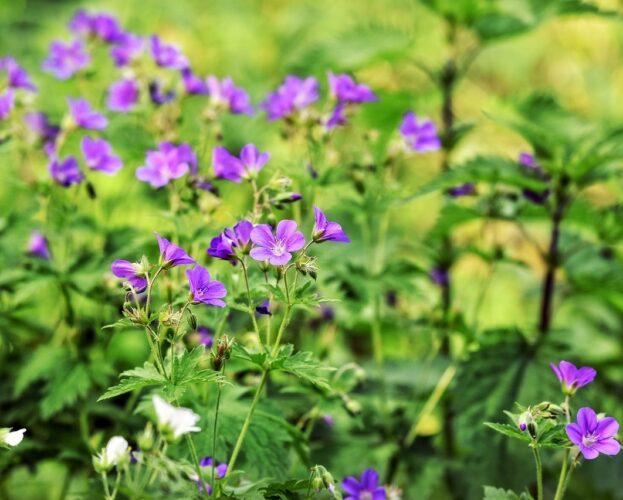
Hardy geraniums are perennial plants available in many different varieties and flower colors, including pink, purple, blue, and white.
Most hardy geraniums prefer full sun to partial shade and grow best in well-draining soil. They are generally easy-care plants and can work well in flower beds, borders, and cottage gardens.
If you live in a particularly warm climate, your hardy geraniums may appreciate some afternoon shade, especially during periods of extreme heat.
Lavender
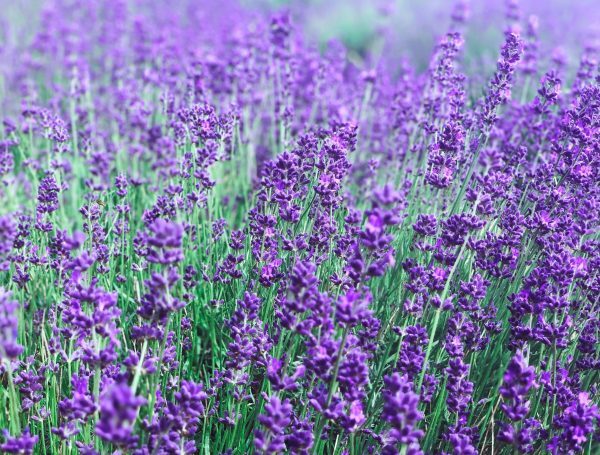
Lavender is a fragrant perennial shrub that is one of the classic choices for a sunny garden. It is grown for both its beautiful flowers and its distinctive fragrance.
Lavender thrives in full sun and well-draining soil and generally prefers conditions that are on the dry side. Once established, many varieties are quite drought-tolerant, making lavender an excellent choice for areas that receive hot, dry summers.
Avoid planting lavender in locations where the soil stays wet or waterlogged. Good drainage is especially important for keeping lavender healthy.
Peony
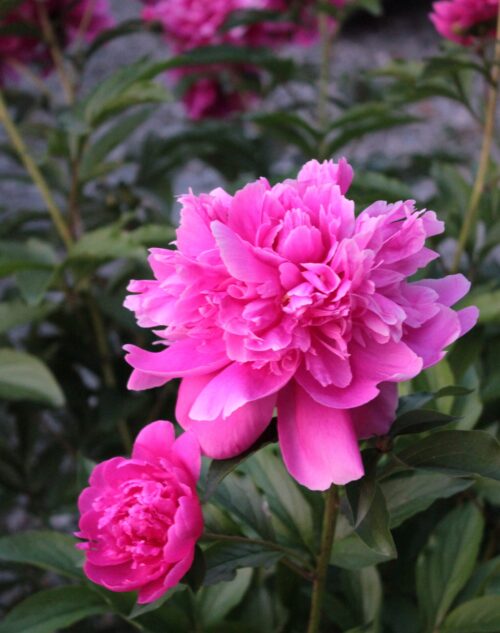
Peonies are long-lived perennials that can remain in the same location for many years with proper care. Their large, fragrant flowers are available in a wide range of colors, including white, pink, and red.
Peonies generally bloom best when planted in a location that receives 6 to 8 hours of sunlight each day. Choose a spot with well-draining soil and enough room for the plants to grow.
Their beautiful blooms make peonies an excellent addition to flower beds and perennial gardens, and established plants can provide flowers for many years.
Rhubarb
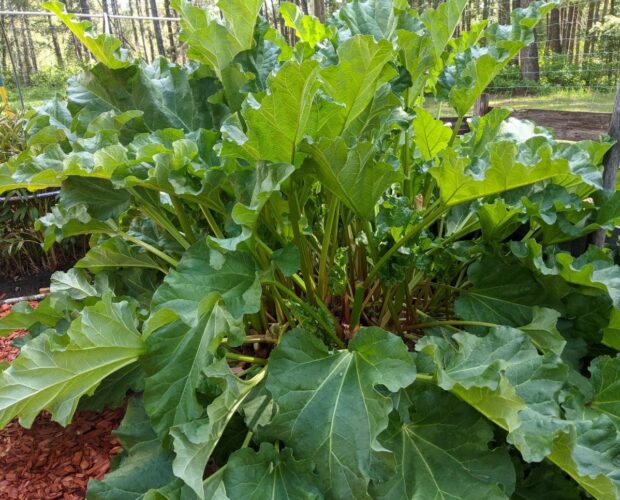
Rhubarb is a perennial vegetable that can grow in the same location for many years, so it is important to choose its planting spot carefully.
Rhubarb generally performs best in full sun in cooler climates, where it can receive plenty of direct sunlight throughout the day. In hot, dry climates, however, rhubarb can benefit from afternoon shade and consistent moisture.
Rhubarb plants need plenty of space as they mature. Depending on the variety and growing conditions, they can become quite large, so give them room to spread rather than planting them in a crowded garden bed.
Rosemary
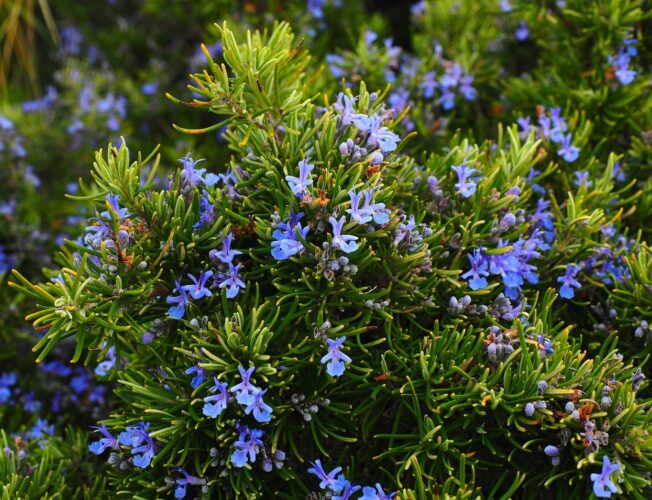
Rosemary is an evergreen herb with fragrant foliage and small blue flowers. It is an excellent choice for sunny herb gardens, containers, and landscaping.
Rosemary prefers full sun and well-draining soil and does particularly well in warm, relatively dry conditions. It does not like sitting in wet soil, so good drainage is essential.
Rosemary is perennial in warmer climates but may not survive harsh winters outdoors in colder growing zones. If you live in a colder climate, growing rosemary in a container allows you to move it indoors when freezing temperatures arrive.
Shasta Daisy
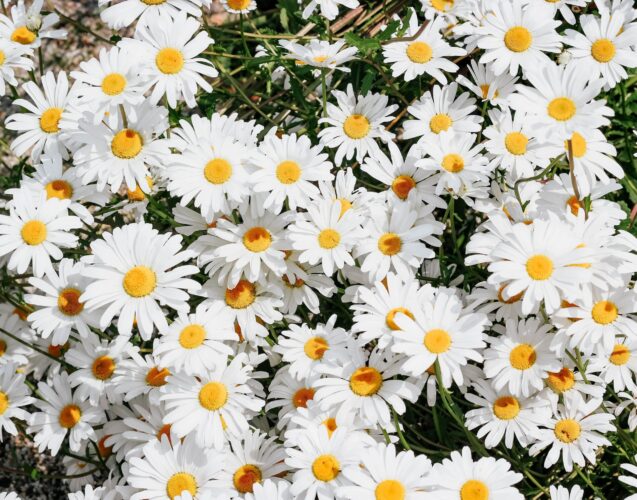
Shasta daisies (Leucanthemum) are classic garden flowers with white petals surrounding a bright yellow center. They are perennial and can provide cheerful blooms throughout the summer.
Shasta daisies prefer full sun and well-draining soil. They are relatively drought-tolerant once established and can tolerate cooler temperatures.
These easy-to-grow flowers work well in flower beds, borders, cottage gardens, and cutting gardens. Their bright blooms can also attract bees and butterflies.
Sunflower
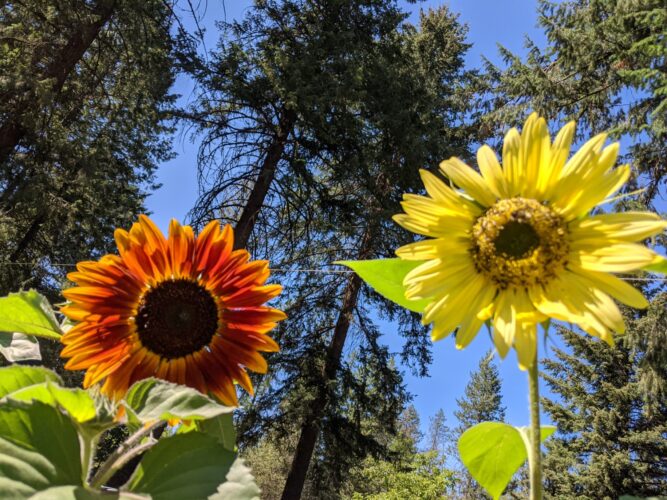
Sunflowers (Helianthus) are one of the most recognizable full-sun flowers. They need plenty of direct sunlight to grow well, making them a natural choice for sunny areas of the garden.
Most of the sunflowers commonly grown in home gardens are annuals, meaning they complete their life cycle in one growing season. However, it is easy to save mature sunflower seeds at the end of the season for planting the following year.
Sunflowers come in many sizes, from shorter varieties that are perfect for containers to towering types that can reach several feet tall. They can also provide food and habitat for birds and pollinators.
Bonus: Vegetables That Love Full Sun
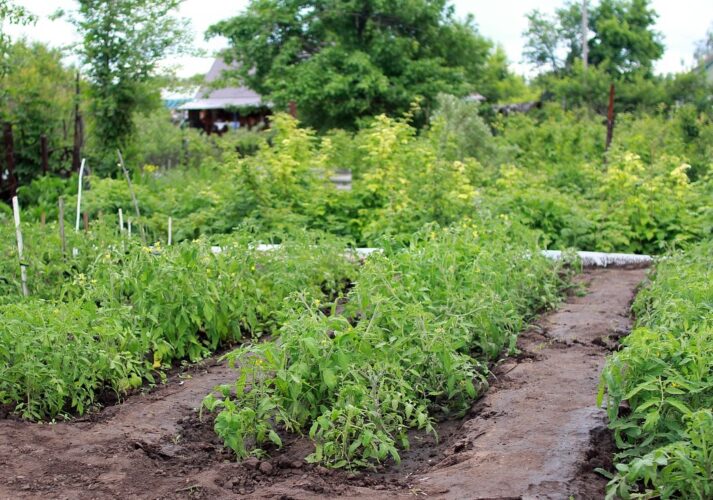
If you are planning a vegetable garden, choose the sunniest location you have available. Most vegetables need at least 6 to 8 hours of direct sunlight each day to produce their best growth and harvests.
Here are some fruits and vegetables that generally perform well in full sun:
- Beans
- Corn
- Cucumbers
- Melons
- Okra
- Peas
- Peppers
- Tomatoes
- Squash
- Strawberries
Keep in mind that individual varieties can have different growing requirements. Providing fertile, well-draining soil and consistent moisture is just as important as choosing a sunny location.
Tips for Growing Plants in Full Sun
A sunny garden can be beautiful, but even plants that love full sun need the right growing conditions. Here are a few things to keep in mind:
Start with healthy soil. Adding compost or other organic matter can improve soil structure and help provide nutrients for growing plants.
Pay attention to drainage. Full-sun plants don’t necessarily want dry soil all the time. Many prefer consistent moisture but won’t tolerate sitting in soggy soil.
Water new plants regularly. Even drought-tolerant plants need regular watering while they are becoming established. Once their root systems are established, many can handle periods of dry weather much better.
Use mulch. A layer of organic mulch can help retain moisture, regulate soil temperature, and reduce competition from weeds.
Consider your climate. Full sun in a mild climate isn’t always the same as full sun in an area with intense summer heat. If your summers are particularly hot, some plants may benefit from protection from the strongest afternoon sun.
Give plants enough room. Crowding plants can reduce air circulation and increase the risk of disease. Check the mature size of each plant before deciding where to put it.
Make the Most of Your Sunny Garden
Choosing plants that prefer full sun is a great way to make the most of bright, open areas in your yard. From colorful flowers like bee balm, peonies, Shasta daisies, and sunflowers to useful herbs and vegetables, there are plenty of options for creating a productive and beautiful sunny garden.
Whether you’re filling a flower bed, lining a walkway, planting containers, or starting a vegetable garden, selecting plants that naturally thrive in your available sunlight can make gardening easier and more rewarding.
With the right plants, good soil, adequate water, and a little regular care, those sunny spots in your yard can become some of the most colorful and productive areas of your garden.

- 🌼 “American Meadow Magic” Wildflower Seed Mix: Our signature PlantMe blend features 25 diverse wildflower varieties, specially curated to create a stunning, natural meadow right in your own backyard. Experience the magic of a flourishing, colorful ecosystem.
- 🌱Extra-Large, High-Yield Packet | 10,000+ Pure Seeds: This oversized packet contains 30 grams (over 1 oz) of premium seeds with no fillers. With 10,000+ live seeds, you have ample coverage for approximately 100 sq. ft., ensuring a thick, vibrant display.
- 🦋Pollinator Paradise & Easy “Throw & Grow”: Attract bees, butterflies, and hummingbirds with nectar-rich blooms. This easy-to-grow mix is perfect for all skill levels—simply scatter on prepared soil for a successful, low-maintenance wildflower meadow.
- ✅Guaranteed Freshness & High Germination Rate: We deliver the freshest with rigorously tested high germination rates. Packaged in a resealable, moisture-proof pouch to lock in freshness and viability for seasons to come.
- 🎁Complete Growing Kit in One Bag: Includes clear planting instructions and is beautifully designed for gifting. Perfect for birthdays, holidays, or to inspire a new gardener. Grow a piece of American meadow magic anywhere!

- TRUE ENGLISH LAVENDER 'VERA' + STRATIFICATION SUCCESS – Not French lavender — this heirloom English lavender is the original variety with stronger fragrance and superior oil quality. Cold stratify seeds 2–4 weeks before planting to dramatically improve germination, whether growing indoors or outdoors.
- INTENSE FRAGRANCE, AUTHENTIC AROMA – Unlike common hybrid varieties, 'Vera' delivers a rich, classic scent ideal for gardens, patios, and indoor spaces. The go-to choice for gardeners seeking true English lavender with traditional, intense fragrance.
- VERSATILE USES: CULINARY & WELLNESS – Premium heirloom lavender seeds perfect for teas, baking, syrups, sachets, and essential oils. Grow your own natural home fragrance, relaxation rituals, and edible floral creations indoors or out.
- GROW INDOORS OR OUTDOORS WITH EASE – Flexible enough for containers, borders, raised beds, and walkways. Cold-hardy and drought-tolerant once established — thrives in full sun with low maintenance season after season.
- HIGH-YIELD QUALITY TESTED HEIRLOOM QUALITY – Non-GMO 'Vera' lavender seeds, 1,500+ per pack, with strong germination potential. Grow abundant lavender plants indoors or outdoors from the most trusted heirloom English lavender variety.

- EXOTIC CHOCOLATE CHERRY SUNFLOWER SEEDS – Large 5–8" burgundy-black blooms with chocolate centers on 6–7 ft branching heirloom Chocolate Cherry sunflowers (Helianthus annuus 'Chocolate Cherry')
- POLLINATOR FRIENDLY GARDEN SEEDS – Attracts bees, butterflies, birds, and pollinators, low pollen variety ideal for balancing habitat support with ornamental use
- ANNUAL SUNFLOWER 6–7 FEET TALL – Grows in full sun and well-drained soil, burgundy blooms from summer through fall, great for beds, borders, containers, and cut flowers
- EASY PLANTING INSTRUCTIONS INCLUDED – Every seed packet has details on germination, spacing, care, and seed saving for successful garden growth
- FAMILY OWNED USA SMALL BUSINESS – Heirloom non-GMO seeds from Survival Garden Seeds, a trusted American brand; always open-pollinated, untreated, and quality tested for garden success

- The Best Value - Organo Republic Sunflower Mix Seeds Pack contains 8 oz or 10,300 of Non-GMO heirloom sunflower seeds. Sunflower (Helianthus annuus) is known for its vibrant blooms and nutritious seeds, making it a favorite for adding beauty to gardens and providing a natural food source for birds and pollinators.
- Innovative Sunflower Seeds Package - Organo Republic flower seeds come in a waterproof resealable seed bag protects sunflower seeds from sunlight and moisture, allowing secure storage for successful planting now or later, ensuring freshness and high germination rates. The package features QR codes to online growing guide, making it easy for gardeners of all levels to grow sunflower flowers. We prioritize sustainability to ensure environmental safety.
- High Germination Rate - Grow beautiful sunflower flowers effortlessly, whether in indoor trays or your backyard garden. Our premium seeds boast a superior germination rate, rigorously tested to ensure successful growth year-round. Perfect for creating vibrant blooms in your own garden, these top-quality seeds are also a thoughtful gift for gardening enthusiasts.
- Easy to grow - Perfect for beginners and experienced gardeners, our sunflower seed package includes detailed tips for success in any climate or soil type. Simply scan the QR codes on the seed packet to access an online growing guide and learn how to plant and care for sunflowers like a professional gardener.
- US Sourced Premium Sunflower Seeds - We are sourcing our seeds only from the most trusted and sustainable domestic seed suppliers and farmers. We proudly test and package them in our Florida Boutique Family-Owned Facility to provide you with the best quality. Our sunflower seeds for planting flowers undergo rigorous testing with a 90%+ germination rate. Sealed to last for up to 2 years, you can trust the freshness and viability of our flower seeds.

- 2000+ Mixed Candytuft Flower Seeds - Produces delicate blooms in white, pink, and lavender, adding charm to your garden and attracting pollinators like butterflies and bees
- Perennial Plant - Grows to a height of approximately 12 inches, perfect for ground cover, and thrives in full sun to partial shade conditions
- Summer Blooms - With proper care, Candytufts bloom profusely in spring and summer, creating stunning displays, ideal for borders, rock gardens, and containers
- Drought Tolerant & Low Maintenance - These plants are drought-resistant and require minimal care, thriving in dry conditions and offering long-lasting beauty with minimal water needs
- Ground Cover Use - Perfect for filling gaps in your garden, Candytufts spread to form a dense carpet, reducing weed growth and providing easy maintenance while adding vibrant color

- Big coverage made easy: 5000+ hollyhock seeds in a bulk pack to fill garden beds, borders, and long fence line rows with tall color
- Classic mixed color cottage look: pink, red, yellow, and white tones add storybook charm to outdoor spaces and backyard landscapes
- Tall backdrop blooms: ideal for flower wall effects, mailbox borders, walkway accents, and fence-side planting that brings vertical drama
- Beginner-friendly sowing: sow about 1/4" deep, keep evenly moist, and place in full sun to partial shade for best growth
- Pollinator favorite & seed-saving: attracts bees and butterflies, and lets you dry blooms to collect seeds for next season