This post may contain affiliate links. Please see my disclosure policy for more information.
10 Things to Do in Your Garden Before Fall
Summer is winding down, but that doesn’t mean it’s time to put your gardening tools away. Plenty still needs doing in the garden before Fall arrives.
Late summer is a good time to clean up spent plants, harvest vegetables, prepare for a fall garden, and make sure your plants are ready for cooler weather. A little work now can also make next year’s garden easier to manage.
Here are 10 things to do in your garden before Fall.
1. Continue to Harvest Summer Vegetables
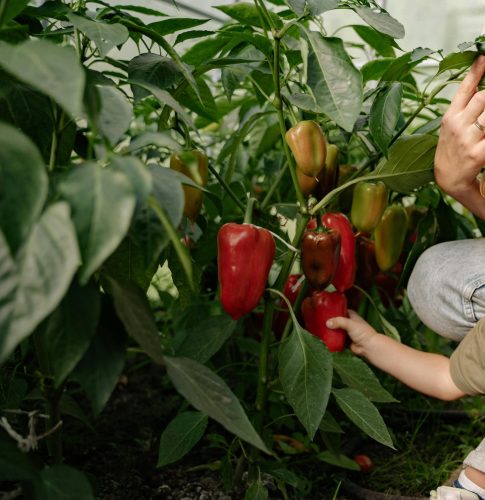
Before cleaning up your garden beds, take a good look at what’s still producing.
Tomatoes, peppers, zucchini, cucumbers, green beans, and summer squash may continue producing well into September.
Harvest vegetables regularly rather than leaving them on the plant too long. Zucchini in particular can seem to double in size overnight!
If you have more vegetables than you can use, this is a good time to freeze, can, dry, or share the extras with friends and family.
2. Remove Finished Vegetable Plants
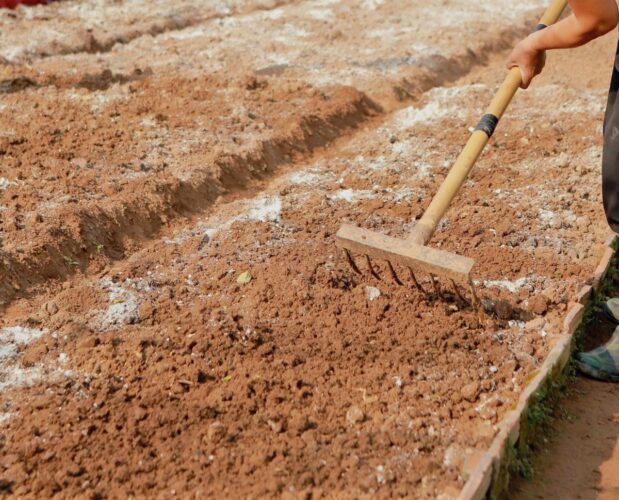
Once a vegetable plant has stopped producing, it’s usually best to remove it from the garden.
Pull out finished plants and clear away fallen leaves, overripe vegetables, and other debris. This gives you a clean space for fall crops and can help reduce places where pests and diseases can linger.
If a plant was diseased, don’t add it to your regular compost pile. Dispose of diseased plant material according to your local guidelines.
Healthy plant material can often be composted, giving you a useful source of organic matter for future gardening projects.
3. Plant a Fall Garden
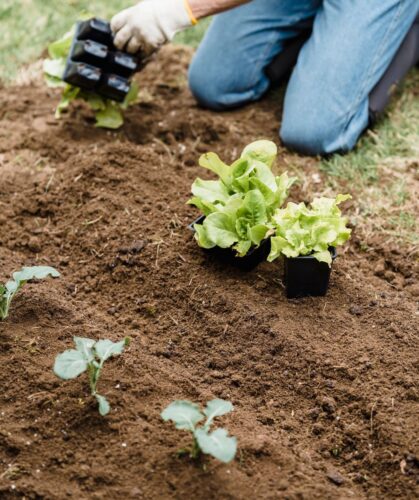
If you haven’t started your fall garden yet, don’t wait too long.
Depending on your growing zone, you may still have time to plant vegetables such as:
- Radishes
- Carrots
- Beets
- Lettuce
- Spinach
- Kale
- Turnips
- Green onions
Some vegetables can be planted directly from seed, while others may be easier to grow from young transplants.
Check the days to maturity on your seed packets and compare them with your area’s average first frost date. This will help you choose crops that have enough time to mature.
4. Refresh Your Garden Soil
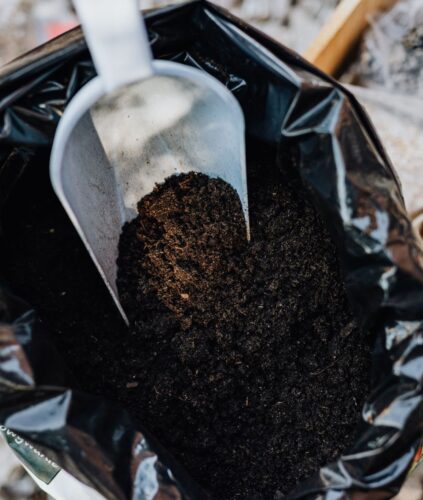
Your soil has worked hard all summer, especially if you’ve been growing vegetables in the same beds.
Before planting your fall crops, add a layer of compost or other organic matter and work it into the soil as appropriate for your garden.
You don’t need to replace your soil every season. Adding compost and continuing to build healthy soil can help improve its structure and provide nutrients for future plants.
5. Keep Weeding
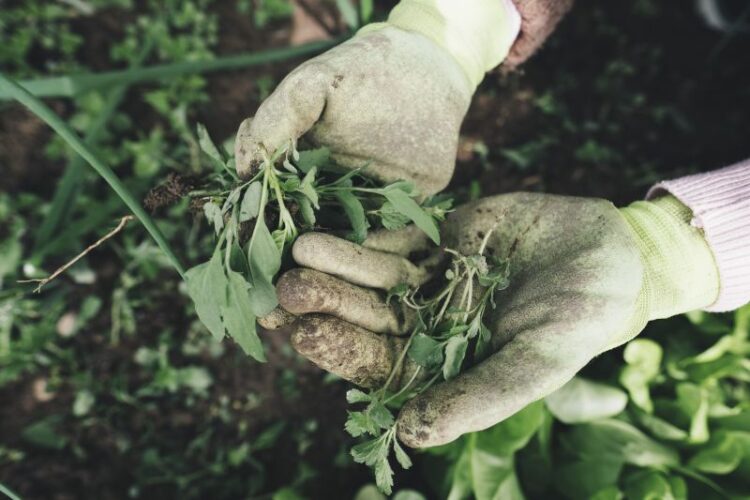
It’s tempting to ignore weeds as summer winds down, but late summer is actually an important time to stay on top of them.
Many weeds are preparing to produce seeds. If you let them mature, they can spread hundreds or even thousands of seeds throughout your garden.
Pull weeds before they flower and go to seed whenever possible.
A few minutes of weeding now can save you a lot of work next year.
6. Collect Seeds From Your Garden
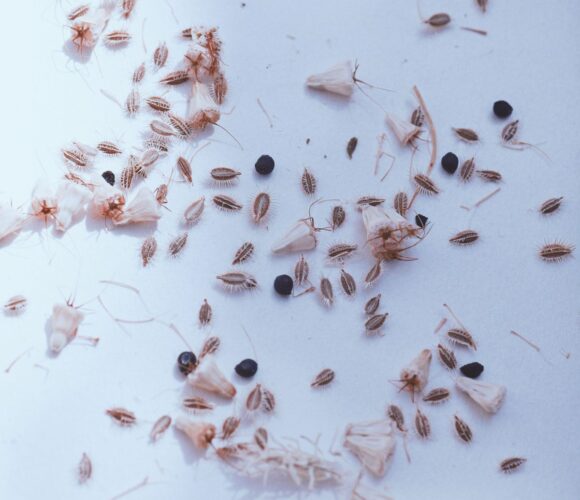
If you have flowers or vegetables you’d like to grow again next year, it’s a good time to start collecting seeds.
Allow seeds to mature fully on the plant before harvesting them. Some plants need to dry on the plant, while others can be collected and dried indoors.
Store completely dry seeds in labeled envelopes or airtight containers in a cool, dry location.
Don’t forget to label each packet with the plant variety and the year you collected the seeds.
Saving seeds is an easy way to save money on next year’s garden.
7. Continue Watering During Hot Weather
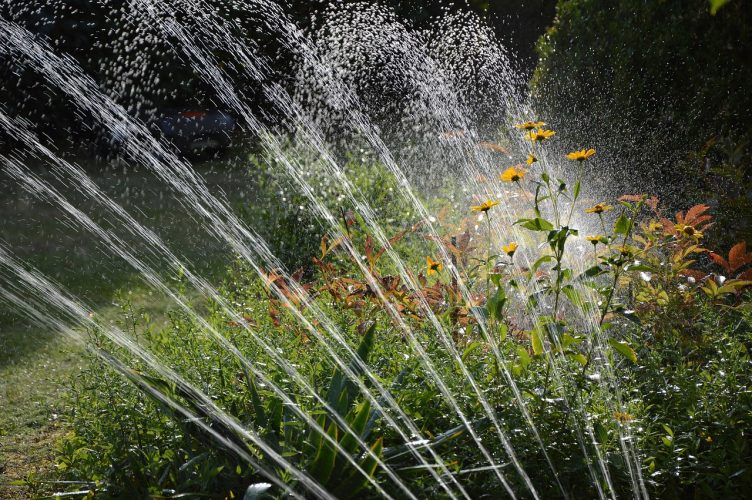
Even though fall is approaching, some areas can still see some of the hottest weather of the year.
Don’t stop watering simply because the calendar says summer is almost over.
Check your plants and soil regularly, especially during periods of extreme heat or drought. Container plants may need water more frequently than plants growing directly in the ground.
Water deeply when needed and, when possible, water early in the morning to reduce evaporation.
8. Deadhead Flowers and Prune Carefully
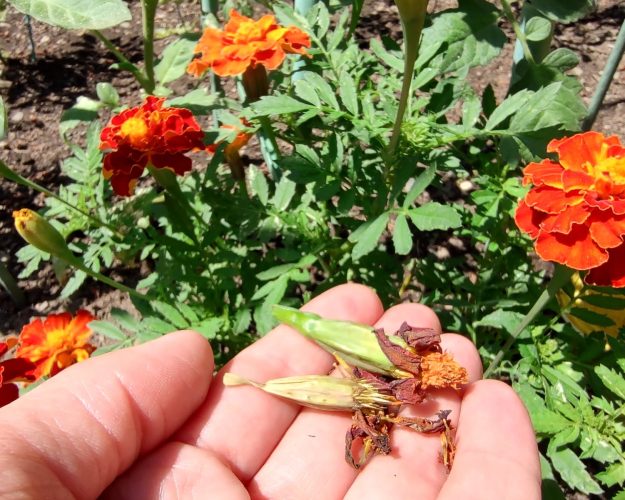
Keep removing spent flowers from annuals and perennials that benefit from deadheading.
Removing faded blooms can encourage some plants to continue flowering into fall.
You can also remove dead, damaged, or diseased branches from shrubs and ornamental plants.
However, avoid heavy pruning of many trees and shrubs at this point in the season. Late-season pruning can encourage tender new growth that may not have enough time to harden before cold weather arrives.
If you’re unsure whether a particular plant should be pruned in late summer, check its specific pruning requirements.
9. Check for Pests and Diseases
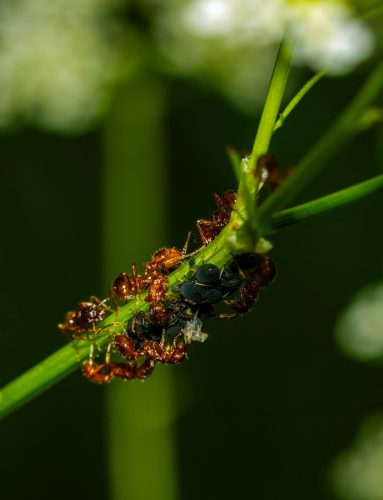
Don’t let your guard down just because summer is ending.
Continue checking your plants for common garden pests such as:
- Aphids
- Japanese beetles
- Squash bugs
- Tomato hornworms
- Spider mites
- Cabbage worms
Also watch for signs of plant diseases, including powdery mildew, leaf spots, and blight.
Removing affected leaves and dealing with pest problems now can help prevent them from becoming bigger problems as the season continues.
10. Clean and Store Your Garden Tools
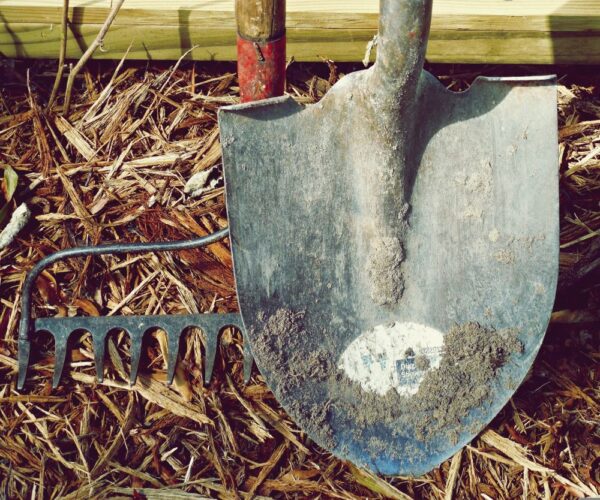
Before you put your gardening tools away for the season, give them a little attention.
Remove dirt from shovels, trowels, pruners, and other tools. Dry them thoroughly to help prevent rust, and sharpen cutting tools if needed.
This is also a good time to inspect your garden hoses, watering cans, plant supports, and other equipment.
Clean and properly store everything so it’s ready to use when you need it again.
Taking a few minutes now can save you from discovering rusty or damaged tools when you’re ready to start gardening next spring.
Don’t Forget Your Container Garden
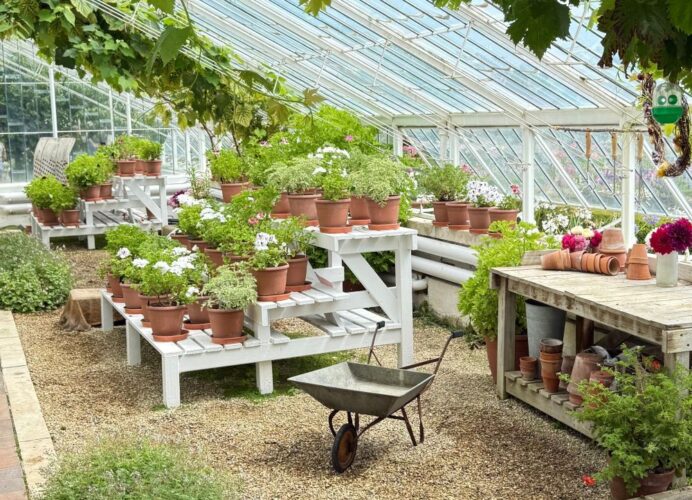
If you grow plants in containers, it’s a good time to take stock of what’s still thriving and what is starting to fade.
Keep watering containers as long as plants need it, since pots can dry out quickly in hot weather.
You can also start thinking about which containers you’d like to use for fall vegetables, herbs, or cool-weather flowers.
Some herbs and tender plants can even be moved indoors before the first frost if you have a sunny location where they can continue growing.
Start Thinking About Next Year’s Garden
While you’re working in the garden, take a few notes about what worked and what didn’t this year.
Did your tomatoes grow well in a particular location? Did you plant too much zucchini? Were there vegetables that didn’t produce as expected?
Write down your observations while they’re still fresh.
You may also want to take pictures of your garden. Photos can be surprisingly helpful when you’re planning next year’s layout or trying to remember where particular plants were growing.
Enjoy Your Garden
There’s still plenty to do in the garden before Fall arrives. Late summer is the perfect time to enjoy the last of your harvest while preparing your garden for the months ahead.
By cleaning up finished plants, planting fall vegetables, refreshing your soil, saving seeds, and staying on top of weeds and pests, you’ll set yourself up for a productive fall garden.
And don’t forget to take a little time to enjoy your garden before the seasons change. After all, that’s one of the best parts of gardening!

- Thick jute twine--lightweight and compact, it does not take up too much space, and it is convenient for you to store,jute twine rope
- Packaging jute twine--perfect accessory for art lessons, handmade courses, DIY and so on,twine decoration
- Natural twine--it can not only be used to DIY crafts, but also can be great decoration for the presents,gardening twine
- Jute garden twine--great for scrapbooks, bouquets, wrapping, weddings, parties, birthdays, vase and other crafts,twine crafts
- Twine for crafts braided twine--manufactured jute materials, safe to use, and the enough length can be used for a long time,bundling twine

- Yard gloves--the gloves are breathable and stretchable, which is suitable for most people, and comfortable to wear,multipurpose gloves for gardening
- Gardening gloves--these working gloves can be used for gardening, weeding, planting, watering, fruit picking, they can also be used for housework,gardening digging gloves
- Gardening work gloves--gloves will avoid skin wounds and dirty hands and nails when doing yard chores, easy to use,Work Gloves
- Outdoor garden gloves--these garden working gloves are elastic to fit your hands well, supple and comfortable to wear for a longtime,gloves for gardening
- Gardening glove--easy to put on and take off, suit for most people, and with good durability, this pair of gloves is a for gardeners,women's garden gloves

- Jute garden twine--elegant color, suitable for christmas tree decoration, candy boxes, boxes, windows add a festive atmosphere,garden twine
- Thick twine--natural jute material, wear-resistant, wrinkle-resistant, good air permeability, lightweight,decorative jute twine
- Twine for crafts--this jute thread is supple and strong, so it won't damage anything you tie or hanging,jute cord
- Garden jute twine--free to cut the length you need and can be bent at will, not easy to deform,natural twine
- Jute twine thick--fine details design, not easy to tear and break this roll of jute rope is durable and reusable,jute twine rope

- Men gardening gloves:there are enough quantity of working gloves that can meet your daily replacement needs, very ,working gloves men
- Garden protective gloves:washable, breathable and comfortable to wear, easy to stretch to fit for most people hands,yard gloves
- Breathable garden planting gloves:it allows you to easily master your outdoor gardening work tools, easy to use, flexible movement, no effect on efficiency,Gloves for Outdoor
- Digging gloves:suitable for a variety of indoor and outdoor jobs, perfect for gardening, housekeeping, fishing, landscaping, diy, etc,strong gardening gloves
- Men garden gloves:can be given to your friends who love gardening as a , this pair of gloves can help them , a practical ,gardening gloves for digging