This post may contain affiliate links. Please see my disclosure policy for more information.
Foods You Should Never Store in the Refrigerator
We often think the refrigerator is the best place to store almost everything because keeping food cold helps it last longer. However, that isn’t always the case. Some foods can actually lose flavor, change texture, or spoil faster when stored in the refrigerator.
Knowing which foods belong in the pantry, on the counter, or in a cool, dry place can help you avoid wasting food and money. Here are some common foods you should generally avoid storing in the refrigerator.
Tomatoes

Tomatoes are one of the most common foods that shouldn’t be refrigerated. The cold temperature can damage their texture and make them mealy. Refrigeration can also reduce some of the fresh flavor that makes ripe tomatoes so good.
Store tomatoes at room temperature, preferably away from direct sunlight. Once a tomato has been cut, however, it should be refrigerated in a covered container and used within a few days.
Potatoes

The refrigerator isn’t a good place for potatoes. Cold temperatures can cause the starch in potatoes to convert into sugar, which can affect their taste and cause them to become sweeter than you want.
Instead, store potatoes in a cool, dark, and well-ventilated place. Avoid storing them in plastic bags or anywhere with excess moisture, since this can encourage spoilage.
Onions
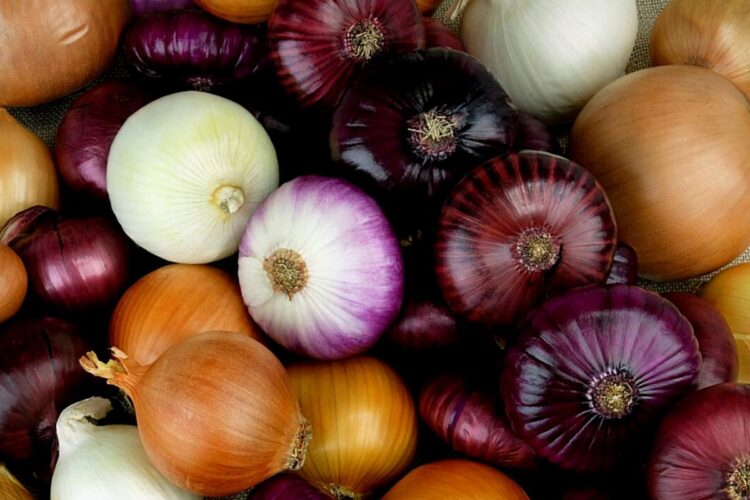
Whole onions generally don’t belong in the refrigerator. The moisture inside a refrigerator can cause them to become soft and moldy more quickly.
Keep whole onions in a cool, dry, well-ventilated area. It’s also a good idea to keep them separate from potatoes, since the two can contribute to each other’s spoilage when stored together.
Once an onion has been cut, place it in an airtight container and refrigerate it.
Garlic

Whole garlic bulbs should be stored somewhere cool, dry, and well-ventilated rather than in the refrigerator. Refrigeration can encourage sprouting and may affect the texture.
A pantry or another dry area away from heat and sunlight is usually a better choice. Keep the garlic in a mesh bag, paper bag, or another container that allows air to circulate.
Bread

Putting bread in the refrigerator may seem like a good way to keep it fresh longer, but it can actually make bread go stale faster. The cold temperature encourages the starches in bread to recrystallize, which can make the bread firm and stale.
Keep bread at room temperature if you plan to eat it within a few days. If you have more bread than you can use, freezing it is a better option than refrigerating it for longer-term storage.
Bananas

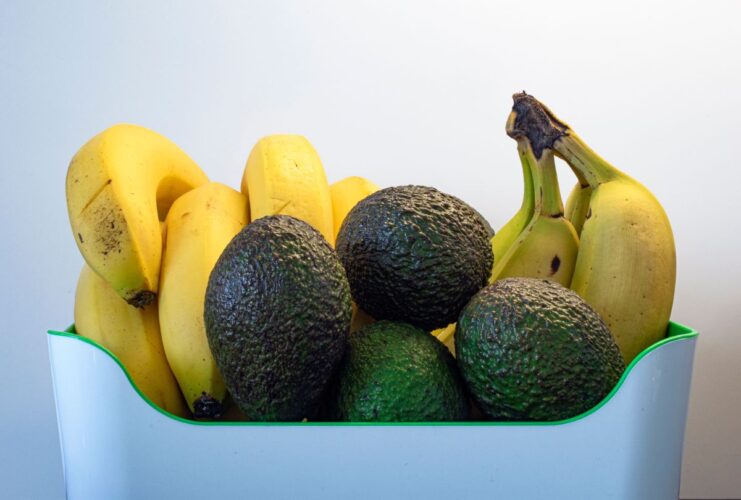
Whole bananas generally do best at room temperature. Refrigerating an unripe banana can interfere with the ripening process, while the peel may turn dark or black.
Once bananas are fully ripe, you can refrigerate them if you want to slow down further ripening. The peel may darken, but the fruit inside can remain usable.
If your bananas are ripening faster than your family can eat them, peeling and freezing them is another great option for smoothies, banana bread, and other recipes.
Avocados
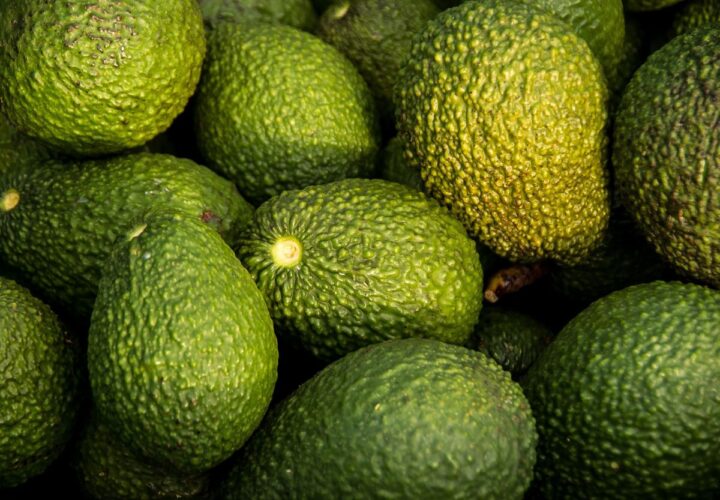
Unripe avocados should generally be kept at room temperature so they can ripen properly. Putting a hard avocado in the refrigerator can slow the ripening process.
Once an avocado is ripe, refrigeration can help extend its usable life. Cut avocado should also be refrigerated and protected from air as much as possible.
Whole Melons
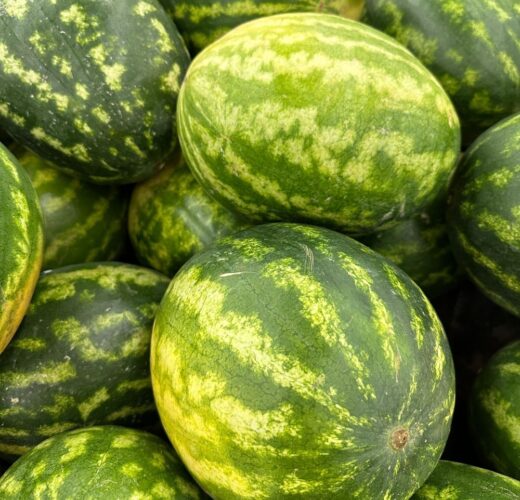
Whole melons such as watermelon, cantaloupe, and honeydew don’t necessarily need to take up valuable refrigerator space before they’re cut.
Keep whole melons at room temperature until they are ripe. Once cut, they should be refrigerated promptly and stored in a covered container or wrapped well.
If you prefer your melon cold, you can always refrigerate it after it has ripened.
Coffee
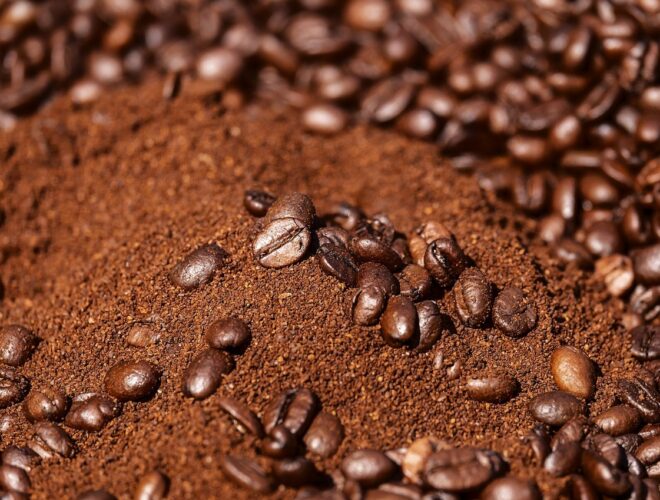
Coffee is another food that many people mistakenly store in the refrigerator. While it may seem like refrigeration would help preserve coffee, the refrigerator can expose coffee to moisture and odors from other foods.
Coffee beans and grounds can absorb surrounding odors, potentially affecting their flavor.
For the best quality, keep coffee in an airtight container in a cool, dark, dry place away from heat and sunlight.
Honey

Honey doesn’t need to be refrigerated. In fact, storing honey in the refrigerator can cause it to crystallize and become thick and difficult to pour.
Keep honey tightly sealed at room temperature. If your honey does crystallize, gently warming the container can return it to a more liquid consistency.
Crystallization doesn’t mean that honey has gone bad. It is a natural process.
Peanut Butter
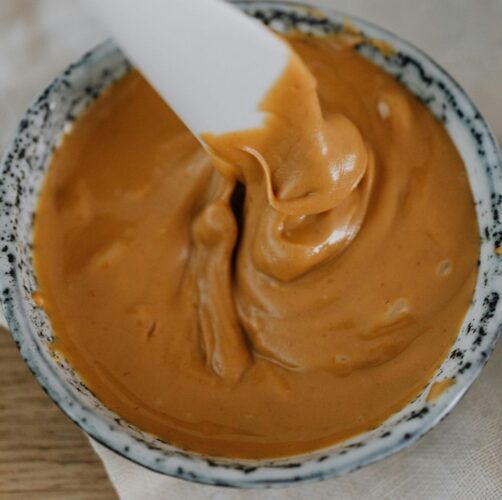
Natural peanut butter is sometimes refrigerated because it doesn’t contain the same stabilizers found in many conventional peanut butters. However, refrigeration isn’t necessarily needed for every type of peanut butter.
Check the label and follow the manufacturer’s storage instructions. Many commercially processed peanut butters can be stored in the pantry after opening, while some natural varieties may recommend refrigeration.
Baked Goods
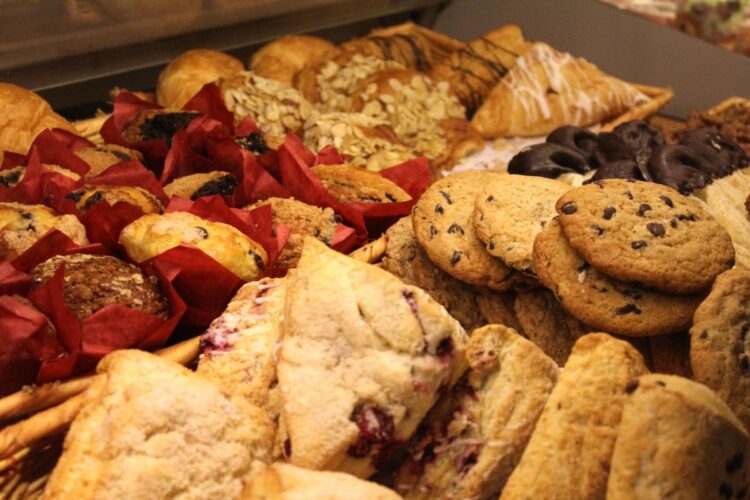
Not every baked good benefits from refrigeration. Cakes, cookies, muffins, and other baked goods without perishable fillings or frostings are often better kept in an airtight container at room temperature.
Refrigeration can dry them out and affect their texture.
However, baked goods containing ingredients that require refrigeration, such as cream cheese frosting, custard, whipped cream, or certain dairy-based fillings, should be refrigerated.
Basil

Fresh basil can suffer from the cold temperatures inside a refrigerator. The leaves may turn dark and develop a wilted appearance.
Instead, treat fresh basil somewhat like flowers. Place the stems in a glass or jar with a little water and keep it at room temperature. Loosely covering the leaves can help keep them fresh.
Other fresh herbs have different storage needs, so don’t assume they should all be treated the same way.
Chocolate

Chocolate doesn’t generally need to be refrigerated unless your home is particularly warm and you’re trying to prevent it from melting.
The refrigerator can introduce moisture and cause condensation, which may affect the chocolate’s texture and appearance. Chocolate can also absorb odors from other foods.
Store chocolate in a cool, dry place away from direct sunlight and strong odors.
Apples
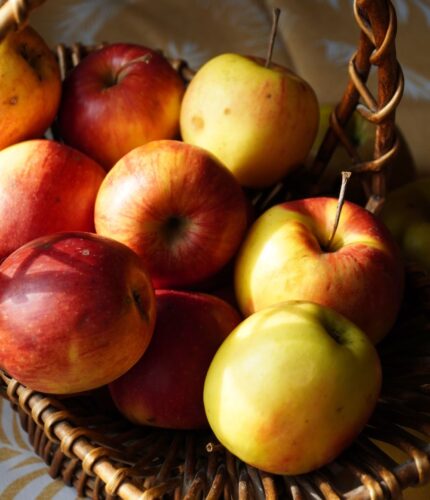
Whole apples can be stored at room temperature for a short period, although refrigeration can extend their storage life considerably.
Because apples actually can benefit from refrigeration, this one is a little different from the other foods on this list. If you have room in your refrigerator and want to keep apples fresh for longer, refrigeration is perfectly fine.
If you’re going to eat them quickly, however, there’s no need to refrigerate them.
Citrus Fruits
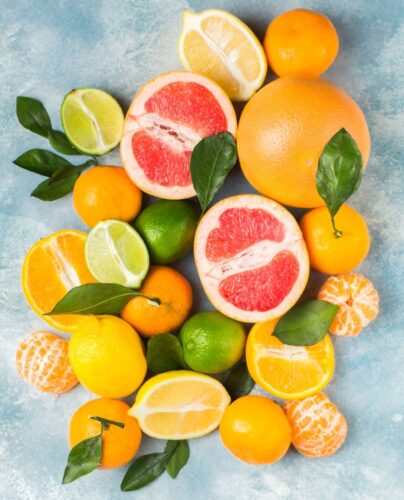
Oranges, lemons, limes, and grapefruits can be kept at room temperature for a short period. If you’re going to use them fairly quickly, there’s no need to refrigerate them.
Refrigerating citrus can help it last longer, though, so this is another food where refrigeration isn’t necessarily bad; it simply isn’t always necessary.
So, What Should You Refrigerate?
It’s important to remember that “don’t refrigerate” doesn’t mean a food should be left out indefinitely. Many foods have different storage requirements depending on whether they are whole, cut, cooked, or prepared.
For example, a whole tomato can sit on the counter, but a cut tomato should be refrigerated. An unripe avocado can stay on the counter, while a ripe or cut avocado can benefit from refrigeration.
When in doubt, check the food’s packaging or follow food-safety recommendations, particularly for foods containing meat, dairy, eggs, or other perishable ingredients.
How to Keep Food Fresh Longer
Knowing where to store your food can make a surprising difference in how long it stays fresh. Keeping potatoes, onions, garlic, and other pantry-friendly foods in a cool, dry location can help prevent unnecessary spoilage.
At the same time, don’t be afraid to use your refrigerator when it is appropriate. Some foods that don’t need refrigeration can still benefit from it when you need to extend their shelf life.
The biggest thing to remember is that not everything belongs in the refrigerator. Sometimes the pantry or kitchen counter is actually the better place to store your food.
Foods You Should Never Store in the Refrigerator FAQ
Can you store tomatoes in the refrigerator?
Whole tomatoes are generally best stored at room temperature because refrigeration can affect their texture and flavor. Cut tomatoes should be refrigerated.
Should potatoes be refrigerated?
No. Store potatoes in a cool, dark, dry, well-ventilated location instead of the refrigerator.
Does bread last longer in the refrigerator?
Refrigerating bread can actually make it stale faster. For longer-term storage, freezing bread is usually a better option.
Should you refrigerate onions?
Whole onions are best stored in a cool, dry, well-ventilated location. Cut onions should be refrigerated in a covered container.
Should garlic be refrigerated?
Whole garlic bulbs are generally best stored in a cool, dry place with good air circulation.
Does honey need to be refrigerated?
No. Honey should be stored tightly sealed at room temperature. Refrigeration can cause it to crystallize more quickly.
Can bananas go in the refrigerator?
Unripe bananas are best left at room temperature to ripen. Once ripe, they can be refrigerated to slow further ripening, although the peel may turn dark.
Should coffee be stored in the refrigerator?
Coffee is generally better stored in an airtight container in a cool, dark, dry location. The refrigerator can expose coffee to moisture and odors.
Can you refrigerate avocados?
Unripe avocados should generally remain at room temperature so they can ripen. Once ripe, refrigeration can help them last longer.
What foods should never be refrigerated?
Some common examples include whole tomatoes, potatoes, onions, garlic, bread, unripe bananas, unripe avocados, whole melons, coffee, and honey. However, storage recommendations can vary depending on whether a food is whole, cut, cooked, or commercially packaged.

- 5 packs : You will get 5 fridge storage containers with colander size from 300 ml to 4200 ml [10 oz - 148 oz ]. Suited for Most fruits, vegetables, berries, meats.
- 🍋 Keep food fresh for longer : The produce saver containers have a sealed environment built with the colanders and locks. Making it easy to rinse and filter out the water on the surface of vegetables and fruits to reduce food spoilage. Extending products fresh for a longer time and reducing shopping frequency.
- 🍋 Easy to open & colse : You can pretreatment and clean the fruit and very, your families are able to open the lid to eat fruit or berry anytime and anywhere . Good idea for store leftovers or to prep meals too.
- 🍋 Stay organized always : The fridge bins and organizers can help us categorize and organize produce, fruits, vegetables, berry and meat etc, keep your refrigerator and freezer organized. And fruit container are stackable whether it is in use or waiting for use.
- 🍋 Food grade material : The fruit containers is made of food grade material PP whcih is bpa free and durable. The Applicable temperature from -22℉ to 284℉(-30~140℃). Which mean's the food storage containers are dishwasher safe (lid not included), microwave safe (lid not included) and freezer safe.

- 「10 Pack Pantry Storage Containers」 The 10pcs fridge organizer helps you store fruits, vegetables, yogurt, cheese, and meat in the fridge, freezer, cabinets, or deep pantry shelves. Keep your cluttered refrigerator, freezer, countertop, kitchen cabinets, or pantry clean and neatly organized with these space-saving clear plastic storage bins
- 「Stackable & Drain Tray Design」 Stackable design to help maximize your refrigerator storage space. The lids of fridge containers are not airtight and can effectively prevent dust and odors. The bottom of the large vegetable storage containers for the refrigerator has a drain hole that can be easily opened to drain excess water after washing vegetables and fruits, preventing moisture and keeping them fresh.
- 「Strong Construction」Clear plastic food storage bin with an easy-grip side handle allows you to move it with ease, and easy to pull off shelves, cabinets, and closets. Made of high-quality shatterproof BPA-free PET material that has an impact strength 3-5 times higher than standard bins, these are tough and designed for long-term use. Clean with warm (NOT HOT) soapy water. NOT DISHWASHER SAFE, DO NOT MICROWAVE & OVEN
- 「Ideal Storage Bins Size」 The set includes 3 different sizes, 1 pcs large size 12×12×3.75 inch, 2 pcs medium size 10.5×3.8×3.5 inch, and 6 pcs small size 45×3.0×3 inch. The large container can store lettuce, carrot, and other veggies; 3 medium containers are perfect for cucumber, tomato, and spaghetti; 6 small containers are perfect for strawberry, grape, and other fruits or cereal, space-saving & no odor.
- 「Transparent Design & Warranty」The kitchen organizer refrigerator holder bins are clear, so you can see what you want without having to take the whole bin out of the fridge. Simplify your kitchen storage and make room for new. We are dedicated to addressing any product issues, if you ever have any problem, just contact us for help or a free replacement

- 100% Leak-proof: Guaranteed no-spill seal and secure latches
- Crystal-clear Tritan Built: Stain-resistant and odor-resistant material for a clear view of contents
- Lightweight & Sturdy: Easy to carry, yet durable for everyday use
- Built-in Vents: Convenient microwave heating without removing the lid
- Space-saving: Stackable design for organized fridge or pantry