
This post may contain affiliate links. Please see my disclosure policy for more information.
Best Low-Carb Fruits
If you are trying to cut back on carbohydrates, you may think you have to give up fruit. Thankfully, that isn’t necessarily the case. There are plenty of fruits that can fit into a low-carb eating plan, especially when you pay attention to portion sizes.
Fruit contains natural sugar and carbohydrates, but it also provides important nutrients, including fiber, vitamins, minerals, and antioxidants. Choosing fruits that are naturally lower in carbohydrates can make it easier to enjoy something sweet without using up a large portion of your daily carb allowance.
Here are some of the best low-carb fruits to keep on your shopping list.
1. Avocados
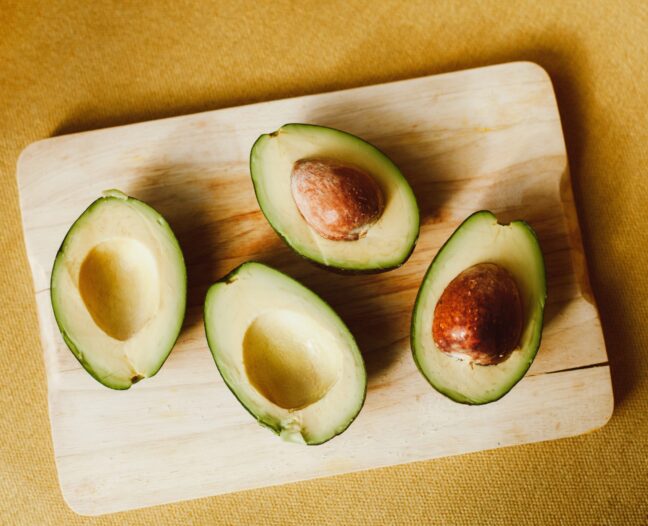
Yes, avocados are technically a fruit! They are one of the lowest-carbohydrate fruits you can eat and are also a good source of fiber and healthy fats.
Unlike most fruits, avocados aren’t particularly sweet, which makes them easy to use in savory dishes. Add sliced avocado to salads, mash it onto low-carb toast, or use it to make guacamole.
A USDA-based nutrition database lists avocado at about 1.8 grams of net carbohydrates per 100 grams.
2. Blackberries
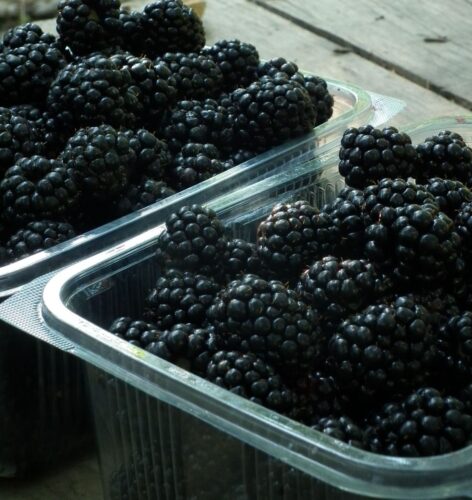
Blackberries are one of my favorite fruits for a lower-carb diet. They are sweet enough to satisfy a craving while providing a good amount of fiber.
Enjoy fresh blackberries by themselves, add them to plain Greek yogurt, or use them as a topping for a low-carb dessert.
Blackberries contain about 4.3 grams of net carbs per 100 grams.
3. Raspberries
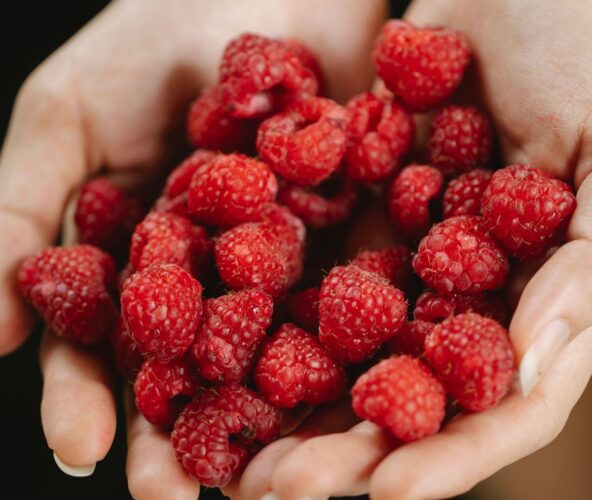
Raspberries are another excellent choice when you’re watching your carbohydrate intake. They have plenty of flavor and are particularly useful when you want something sweet without eating a large serving of higher-carb fruit.
Try adding raspberries to yogurt, cottage cheese, smoothies, or a bowl of low-carb cereal.
Raspberries contain about 5.4 grams of net carbs per 100 grams.
4. Strawberries
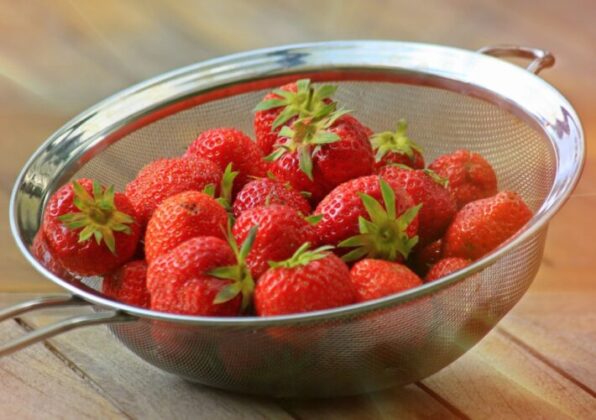
Strawberries are one of the easiest low-carb fruits to find at the grocery store. They are naturally sweet, versatile, and work well in everything from breakfast to dessert.
You can eat them plain, slice them over yogurt, or serve them with a little whipped cream for a simple low-carb treat.
Strawberries contain about 5.7 grams of net carbs per 100 grams.
5. Cranberries
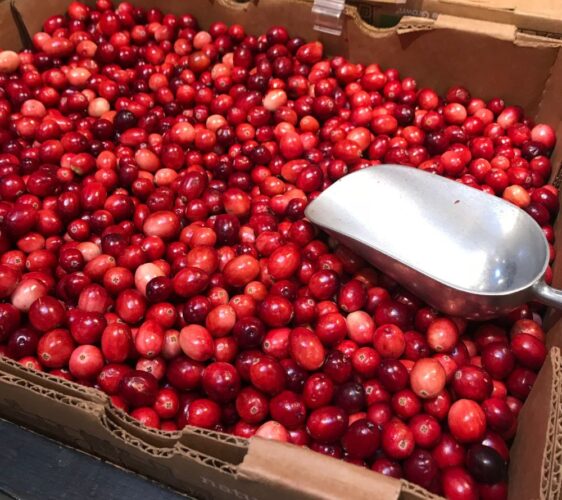
Fresh cranberries are naturally low in carbohydrates compared with many other fruits. The problem is that many cranberry products have added sugar.
If you’re watching your carbs, look for fresh or frozen cranberries without added sugar. Unsweetened dried cranberries are also an option, but check the nutrition label carefully because dried fruit is much more concentrated.
Cranberries are particularly useful for adding a tart flavor to recipes without relying on sugary sauces.
6. Kiwi
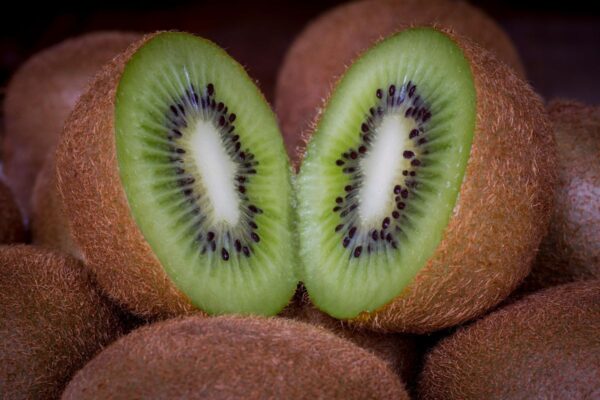
Kiwi is a little higher in carbohydrates than berries, but it can still fit into many lower-carb eating plans when eaten in reasonable portions.
It also provides vitamin C and fiber. You can eat kiwi by itself, add it to a fruit salad, or slice it over plain yogurt.
The FDA’s raw-fruit nutrition information lists two medium kiwis at 20 grams of total carbohydrate and 4 grams of fiber.
7. Watermelon
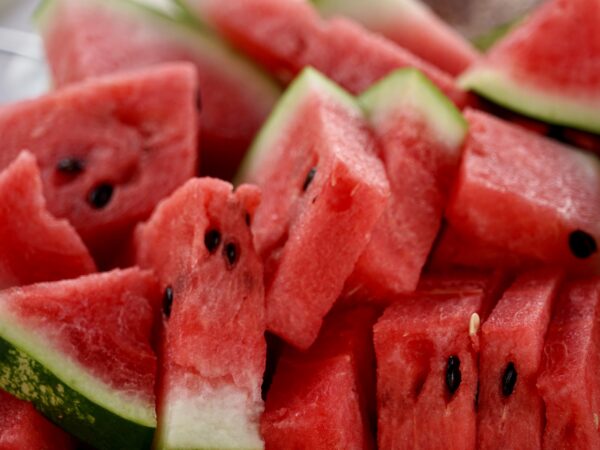
Watermelon has a reputation for being high in sugar, but because it contains a lot of water, a reasonable serving can still fit into a lower-carb diet.
The key is portion size. It is very easy to eat several cups of watermelon without realizing how much you’ve had.
Watermelon makes a refreshing summer snack and is especially good when served cold on a hot day.
8. Cantaloupe
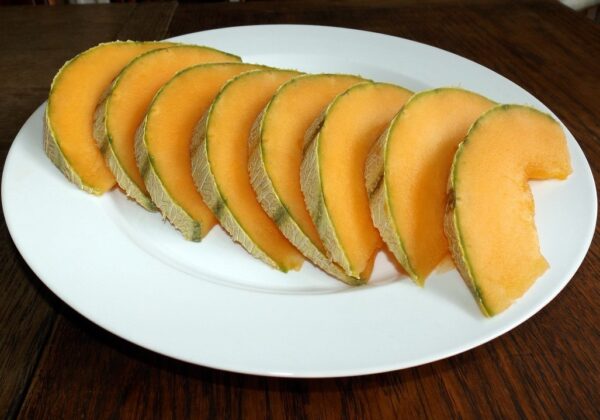
Cantaloupe is another melon that can work in a low-carb eating plan when you keep your serving size in check.
It is naturally sweet and contains vitamin A and vitamin C. A small bowl of cantaloupe makes an easy breakfast or snack, especially when paired with protein such as cottage cheese or Greek yogurt.
The FDA lists a quarter of a medium cantaloupe as 12 grams of total carbohydrate and 1 gram of fiber.
9. Peaches
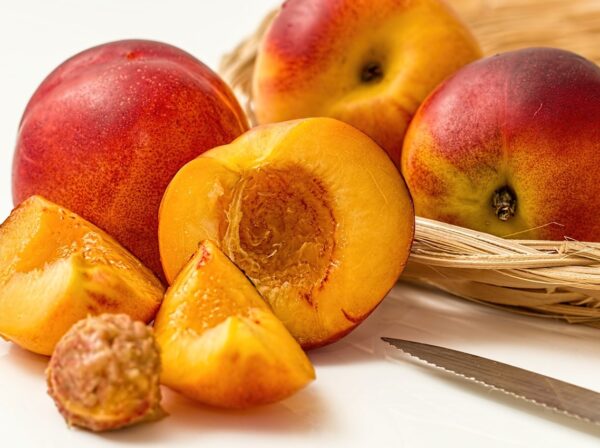
Peaches are not as low in carbohydrates as berries, but they can still be enjoyed in moderation.
Fresh peaches are a much better choice for a low-carb snack than peach-flavored desserts or canned peaches packed in heavy syrup. If you buy canned peaches, look for varieties packed in water or their own juice without added sugar. The American Diabetes Association recommends fresh, frozen, or canned fruit without added sugars.
10. Plums
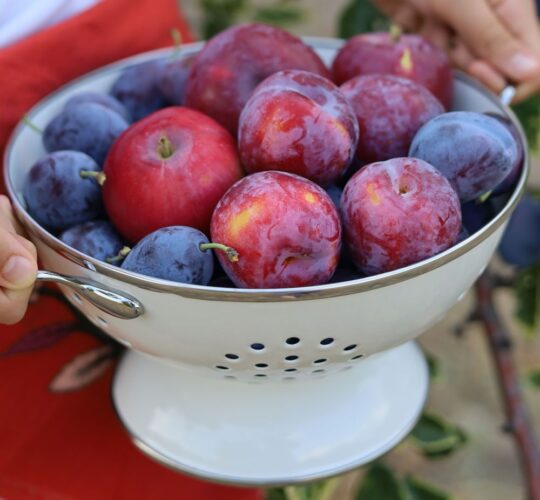
Plums are another fruit that can fit into a lower-carb diet when you watch your portion size.
They are naturally sweet and make an easy grab-and-go snack. Choose fresh plums rather than sweetened canned or dried varieties when you want to keep carbohydrates lower.
11. Grapefruit
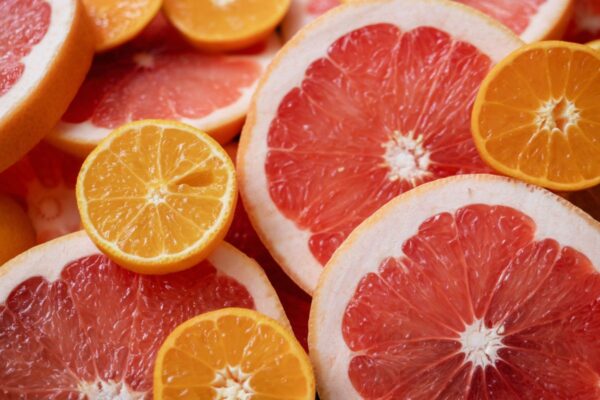
Grapefruit can be a refreshing lower-carb fruit option. Half of a medium grapefruit contains about 15 grams of total carbohydrate and 2 grams of fiber, according to FDA nutrition information.
Keep in mind that grapefruit can interact with certain medications, so check with your doctor or pharmacist if you take prescription medications.
12. Oranges
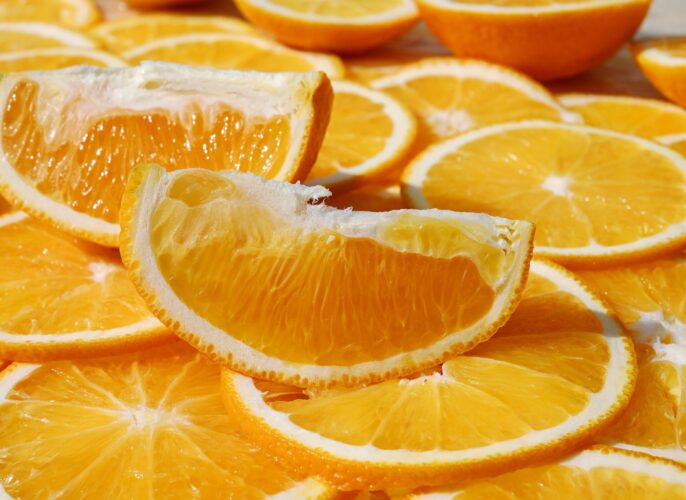
Oranges are higher in carbohydrates than berries, but that doesn’t mean you have to completely avoid them if you’re trying to eat fewer carbs. A medium orange contains about 15 grams of total carbohydrate and 3 grams of fiber, according to the FDA.
Whole oranges are a better choice than orange juice because you get the fiber from the whole fruit and they tend to be more filling. If you’re watching your carbohydrate intake, enjoy a small orange as a snack or pair it with a source of protein or healthy fat.
Oranges are also an excellent source of vitamin C, making them a nutritious addition to your diet even if they aren’t among the very lowest-carb fruits.
13. Lemon and Lime
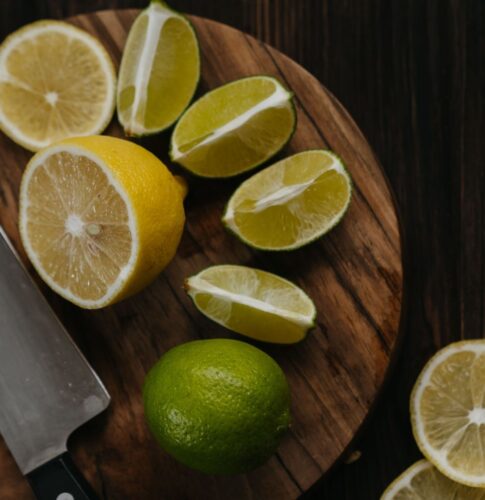
You’re probably not going to sit down and eat a lemon or lime like you would a strawberry, but these fruits are extremely useful when you’re trying to keep carbohydrates low.
Add fresh lemon or lime juice to water, tea, salads, fish, chicken, or homemade dressings. A medium lemon contains about 5 grams of total carbohydrate and 2 grams of fiber, while a medium lime contains about 7 grams of total carbohydrate and 2 grams of fiber.
What About Blueberries?
Blueberries are nutritious and can certainly be part of a healthy diet, but they contain more carbohydrates than some other berries.
That doesn’t mean you have to avoid them. It simply means that portion size matters more if you are following a strict low-carb eating plan.
Try adding a small amount of blueberries to Greek yogurt or cottage cheese rather than eating a large bowl by itself.
Fruits Higher in Carbohydrates
Some fruits are considerably higher in carbohydrates than the choices above. If you are following a very low-carb diet, you may want to eat smaller portions of:
- Bananas
- Grapes
- Mangoes
- Pineapple
- Dried fruit
- Dates
- Figs
You don’t necessarily have to eliminate these fruits. The amount that works for you depends on your individual eating plan and carbohydrate goals.
Don’t Forget About Portion Size
One of the easiest mistakes to make when eating a low-carb diet is assuming that a food is either completely “low-carb” or completely “high-carb.”
Portion size matters.
For example, berries can be a relatively low-carb fruit choice, but eating several cups at once will still add carbohydrates to your meal. The same is true for watermelon, cantaloupe, peaches, and other fruits that can fit into a lower-carb diet.
If you are counting carbohydrates, check the serving size and total carbohydrate amount rather than relying only on whether a food is labeled “low-carb.”
The American Diabetes Association notes that fruit counts as a carbohydrate food, but also provides fiber, vitamins, and minerals. It recommends choosing whole fruit and limiting added sugars.
What Is the Difference Between Total Carbs and Net Carbs?
You will often see “net carbs” mentioned when searching for low-carb foods. The basic calculation is total carbohydrates minus fiber.
However, the term “net carbs” does not have a legal definition, and the American Diabetes Association recommends paying attention to total carbohydrates when counting carbs.
For that reason, I would not rely on net-carb numbers alone when planning your meals. If you are following a specific medical diet or counting carbohydrates for diabetes management, use the method recommended by your healthcare professional.
Fresh, Frozen, or Canned Fruit?
Fresh fruit isn’t your only option.
Frozen fruit can be a convenient choice, especially when your favorite berries aren’t in season. Just check the package to make sure there isn’t added sugar.
Canned fruit can also work. Look for fruit packed in water or its own juice rather than heavy syrup.
The American Diabetes Association recommends fresh, frozen, or canned fruits without added sugars.
Easy Ways to Eat More Low-Carb Fruit
There are plenty of ways to add low-carb fruit to your meals without turning it into a high-sugar snack.
Try these simple ideas:
- Add raspberries or blackberries to plain Greek yogurt.
- Slice strawberries over cottage cheese.
- Add avocado to salads or sandwiches.
- Keep washed berries in the refrigerator for an easy snack.
- Add a small amount of berries to a smoothie.
- Freeze strawberries or blackberries for a cold summer treat.
- Add lemon or lime juice to water.
- Serve fresh berries with a small amount of whipped cream for dessert.
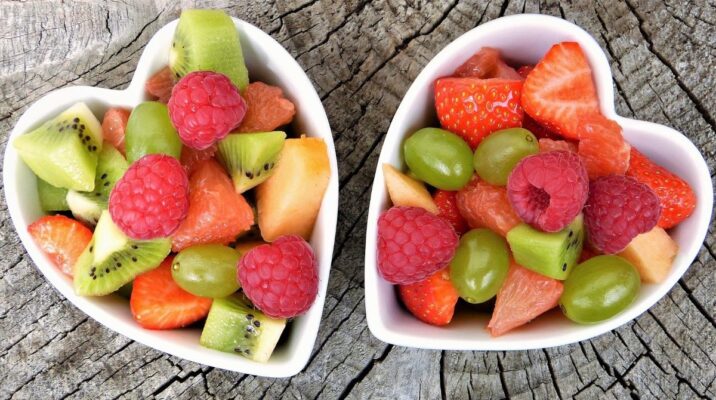
You don’t have to completely give up fruit just because you’re trying to eat fewer carbohydrates. Berries, avocado, strawberries, raspberries, blackberries, and several other fruits can fit nicely into a lower-carb eating plan.
The most important thing is to pay attention to portions and choose whole fruits without added sugar. Fruit is more than just natural sugar—it also provides fiber, vitamins, minerals, and other nutrients that can be part of a healthy diet.
If you’re following a very low-carb diet, have diabetes, or need to carefully control your carbohydrate intake, your individual needs may be different. When in doubt, use the carbohydrate information for the actual serving you’re eating and follow the recommendations provided by your healthcare professional.
Frequently Asked Questions
What is the lowest-carb fruit?
Avocado is one of the lowest-carb fruits, with about 1.8 grams of net carbohydrates per 100 grams according to USDA-based nutrition data. Blackberries and raspberries are also among the lower-carb choices.
Are berries low-carb?
Yes. Strawberries, blackberries, and raspberries are among the fruits that can fit well into a lower-carb eating plan. They also provide fiber and other nutrients.
Can I eat fruit on a low-carb diet?
Yes. You can still enjoy fruit while reducing your carbohydrate intake. Choose fruits that are naturally lower in carbohydrates and pay attention to serving sizes.
Are bananas low-carb?
Bananas are considerably higher in carbohydrates than berries. A medium banana contains about 30 grams of total carbohydrate, according to FDA nutrition information.
Is watermelon low-carb?
Watermelon can fit into a lower-carb diet in moderate portions, but it is important to watch how much you eat because carbohydrates can add up quickly with larger servings.
Are dried fruits low-carb?
Usually not. Removing the water concentrates the natural sugars and carbohydrates, making it easy to eat a large amount in a small serving. The American Diabetes Association notes that dried fruit portions are quite small compared with whole fruit.
Are fruit juices low-carb?
Fruit juice is generally not the best choice when you’re trying to reduce carbohydrates. Whole fruit provides fiber and tends to be more filling. The American Heart Association recommends whole fruits and, when drinking juice, keeping portions small and choosing 100% juice rather than fruit drinks.
There are countless benefits to eating fruits and vegetables, especially when it comes to weight loss. In fact, a recent study showed that people who ate more fruits and vegetables lost more weight than those who didn’t. Another study found that participants who increased their intake of fruit and vegetables by just one serving per day lost about five pounds over the course of two years. It’s important to include a variety of fruits in your diet, including some that are low in carbohydrates. These are some of the best low-carb fruits out there.

- [Easy to Assemble] The fruit basket sets up in just 30 seconds without any tools and comes with detailed instructions. Its stackable design helps you make the most of your kitchen counter space.
- [Strong and Sturdy] Crafted from high-quality materials, the basket ensures lasting durability and stability even when fully loaded. The metal wires feature a smooth, coated finish that won’t scratch or damage your items.
- [Large Capacity] Holds enough fruit for the whole family for a week — and it’s not just for fruit! Perfect for storing bread, snacks, spices, or small kitchen tools to keep your counter clean and tidy. The open design allows air to circulate, keeping fruits fresh longer.
- [Upgraded Features] The Protective mats prevent small fruits like grapes from slipping through or getting pressure marks, keeping everything fresh and perfect. The banana hooks let bananas hang separately to avoid bruising and stay fresh longer.
- [After-sale Service] At Sevenblue, you can enjoy a 45-day full money-back guarantee, 360-day replacement, and dedicated customer service. We promise to provide the best solution within 24 hours.

- 【Rust-Proof Metal Fruit Basket】 It crafted from high-quality rust-resistant metal, this fruit basket offers lasting durability and effortless cleaning. As a sturdy fruit holder with a smooth finish, it withstands daily use for years while keeping your kitchen counter organizer scratch-free and looking great.
- 【2-Tier Large Capacity】 This fruit bowl for kitchen counter features a dual-tier design that maximizes vertical space while keeping your countertop organized. This fruit basket measures 12.5"L x 7.5"W x 12"H.Perfect as a produce basket, it neatly separates fruits, vegetables, bread, and snacks for efficient storage and a tidy kitchen.
- 【Tool-Free Assembly】 No tools or screws needed—this fruit stand assembles in minutes and is ready to use right away. Versatile enough for the kitchen, dining room, pantry, or coffee bar, this fruit basket for kitchen counter fits seamlessly into any space.
- 【2 Removable Banana Hanger】 The detachable banana hook lets bananas hang separately from other produce, preventing bruising and pressure marks while improving airflow. This thoughtful design keeps bananas fresher longer while adding an attractive touch to your countertop display.
- 【Multi-Purpose Design】 More than just a fruit basket—this multifunctional kitchen counter organizer also holds eggs, bread, snacks, and other essentials. A must-have fruit holder that keeps your space clutter-free while doubling as a stylish, modern fruit stand.