

This post may contain affiliate links. Please see my disclosure policy for more information.
Beware of These Invasive Plants
There’s nothing more exciting than adding new flowers, shrubs, and trees to your landscape. However, before planting something new, it’s worth taking a few minutes to find out whether it’s considered an invasive plant in your area.
Invasive plants are non-native species that spread aggressively, crowding out native plants, reducing wildlife habitat, and disrupting local ecosystems. Some escape from home gardens and quickly spread into forests, wetlands, and natural areas, where they can be extremely difficult and expensive to remove.
It’s important to remember that a plant that’s invasive in one state may not be a problem in another. Climate, growing conditions, and local ecosystems all play a role. Before planting, check with your state’s extension office or invasive species program to see which plants should be avoided.
Here are some common invasive plants gardeners should think twice about before adding to their landscape.
English Ivy
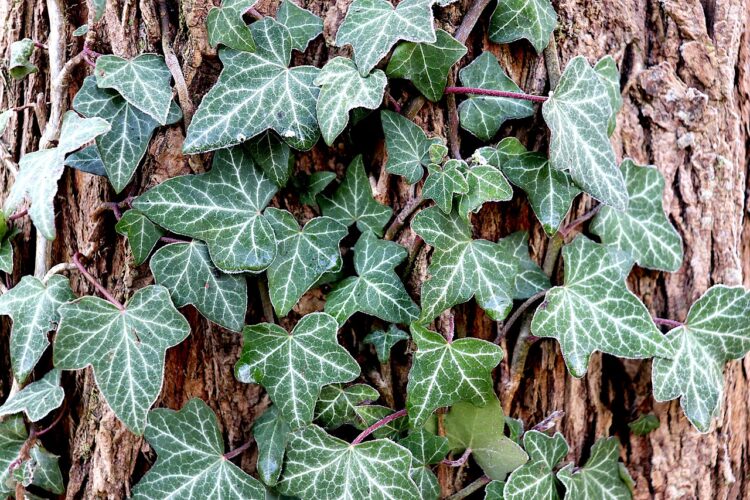
English Ivy is a popular garden plant, but it can quickly become an invasive species. It grows rapidly and spreads easily, often choking out other plants in the process. It also produces berries that can spread to new areas, making eradication difficult. Ivy can quickly take over a yard, clinging to everything in sight, including trees, bushes, and other plants. If you want to grow ivy in your yard, you’ll have to track its development and chop it back regularly to keep it from crowding out other plants and encroaching on the surrounding areas.
Barberry
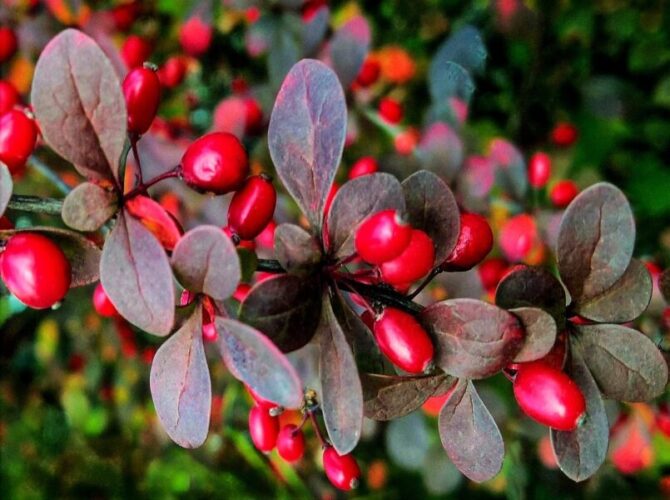
Barberry is another fast-growing plant that can easily become invasive. This shrub produces a lot of seeds, which can be transported to new areas by birds and other animals. Once they take root, barberry bushes can quickly spread and crowd out other plants. They also produce thorns that can make them difficult to remove. Much of the Midwest has classified it as a dangerous invader, emphasizing that it should never be introduced. If you’re considering adding barberry to your garden, be sure to do your research and choose a location where it won’t cause problems for other plants.
Butterfly Bush
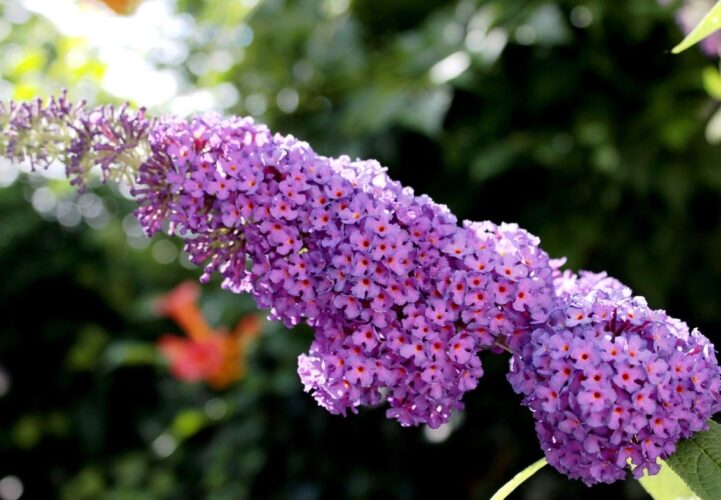
Butterfly bush (Buddleja davidii) is loved for its colorful blooms and ability to attract butterflies, but it has become invasive in many parts of the Pacific Northwest, Northeast, and other regions of the United States.
Although it provides nectar for adult butterflies, it is not a host plant for their caterpillars, meaning it does little to support the complete butterfly life cycle. Once established, butterfly bush spreads by seed, forming dense stands that crowd out native vegetation along rivers, roadsides, and disturbed areas.
If you enjoy the look of butterfly bush, consider sterile cultivars where appropriate or, even better, choose native flowering shrubs that provide food and habitat for pollinators throughout their entire life cycle.
Japanese Knotweed
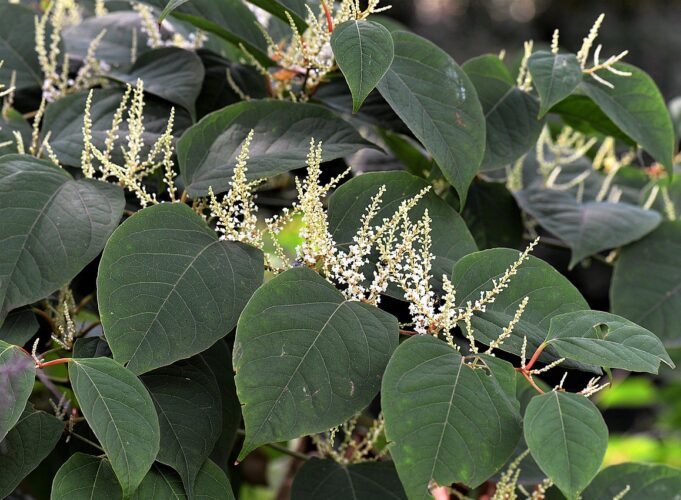
Japanese knotweed is one of the most aggressive and destructive invasive plants in the United States. This plant can grow up to 12 feet tall, with roots that can extend 20 feet into the ground. It can quickly spread through rhizomes, or underground stems, forming dense thickets that crowd out native plants. Japanese knotweed is also difficult to control because it produces a large number of seeds that can be transported to new areas by animals. Even small fragments of this plant can regenerate into a new plant, making eradication extremely difficult. It’s important to be on the lookout for Japanese knotweed if you live in an area where it is known to grow.
Bittersweets
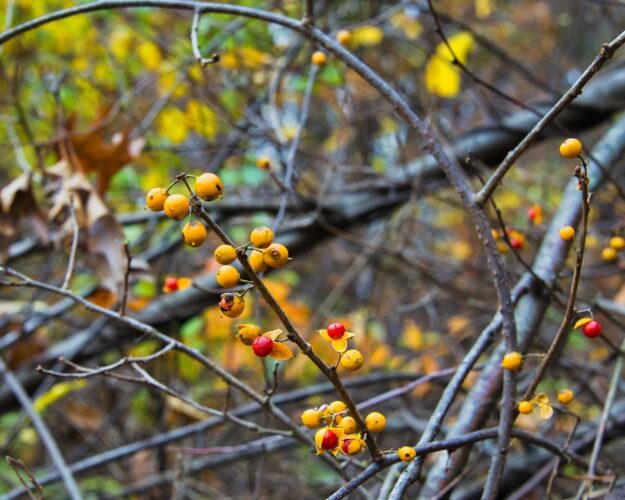
Several plants share the name “bittersweet,” but they aren’t all equally problematic.
Oriental bittersweet (Celastrus orbiculatus) is one of the most destructive invasive vines in North America. It grows aggressively, wraps around trees and shrubs, and can eventually weaken or kill them. Birds spread their colorful berries over long distances, allowing new plants to establish quickly.
American bittersweet (Celastrus scandens) is a native vine in many parts of the United States and is not considered invasive where it naturally occurs. Unfortunately, it is often confused with its invasive relative.
Bittersweet nightshade (Solanum dulcamara) is another non-native plant that spreads easily in disturbed areas. While not as aggressive as oriental bittersweet, it produces poisonous berries and should still be removed when found.
Bugleweed
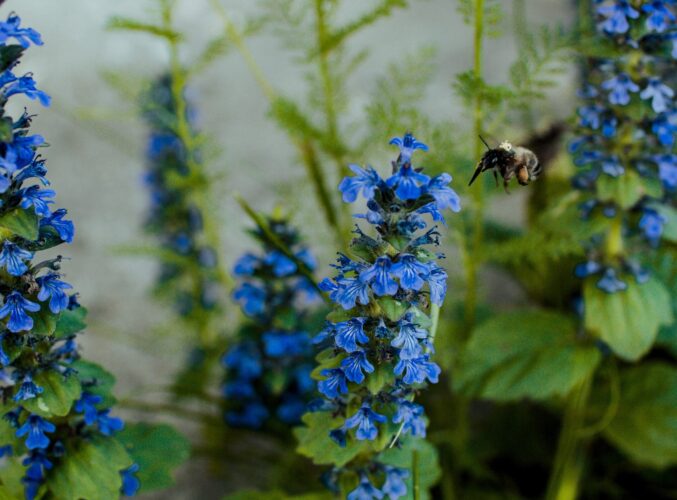
Bugleweed, also known as Ajuga, is a fast-growing groundcover that can quickly become invasive. This plant spreads easily by runners and forms dense mats that can choke out other plants. Bugleweed also attracts slugs, snails, and other pests. It’s important to be on the lookout for bugleweed if you live in an area where it is known to grow. It’s been used as a ground cover in shady places since it has lovely purple blooms and the ability to combat weeds. So, don’t plant this one near other plants.
Lantana
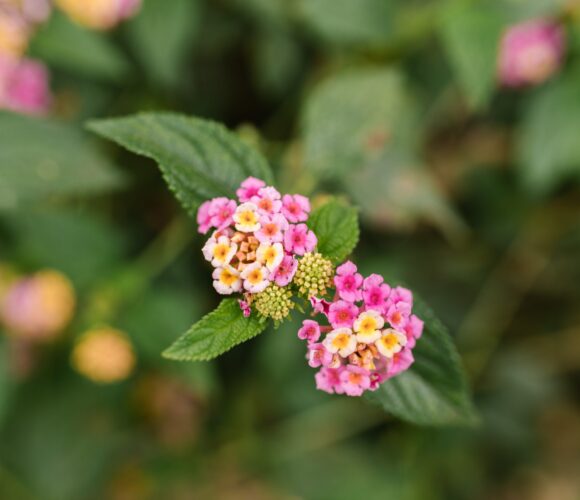
Lantana is a large-leafed evergreen shrub native to tropical regions. It is considered invasive in Florida and Georgia, as well as parts of the South, all the way to California. However, it is completely harmless in colder climes north of zone 9, where it may be seen in hanging baskets. In hot zones, though, it has the potential to spread rapidly and naturalize in vast quantities. Be very careful with this one if you live in a warm climate!
Norway Maple Tree
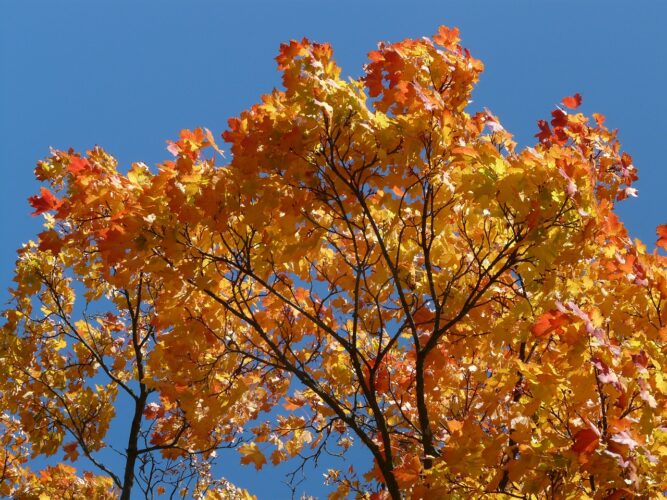
Norway maple (Acer platanoides) was introduced as an ornamental shade tree in the 1800s but has since become invasive throughout much of the Northeast and parts of the Midwest.
This fast-growing tree produces dense shade that prevents many native wildflowers and tree seedlings from growing beneath it. It also produces large numbers of seeds that spread easily into nearby woodlands.
If you’re looking for a shade tree, consider planting native maple species instead, which provide better habitat for birds, pollinators, and other wildlife.
Frequently Asked Questions
What is an invasive plant?
An invasive plant is a non-native species that spreads aggressively outside of where it was originally planted. These plants can crowd out native vegetation, reduce biodiversity, and disrupt local ecosystems by competing for sunlight, water, and nutrients.
Are all non-native plants invasive?
No. Many non-native plants grow well in home gardens without causing problems. A plant is only considered invasive if it spreads rapidly into natural areas and negatively impacts native plants, wildlife, or the environment.
Why are invasive plants bad for gardens?
Invasive plants can quickly take over flower beds, lawns, and landscapes. They often outcompete desirable plants for resources, making gardens more difficult to maintain. Some invasive species are also extremely difficult to remove once they’ve become established.
How do invasive plants spread?
Different invasive plants spread in different ways. Some produce thousands of seeds that are carried by birds, wind, or water. Others spread through underground roots, rhizomes, runners, or even small plant fragments that can grow into new plants.
Are invasive plants illegal to grow?
It depends on where you live. Some states have banned the sale or planting of certain invasive species, while others simply recommend avoiding them. Before purchasing new plants, check with your local Cooperative Extension office or your state’s Department of Agriculture for current regulations.
What should I plant instead of invasive species?
Whenever possible, choose native plants or well-behaved, non-invasive varieties that are suited to your region. Native flowers, shrubs, and trees provide valuable food and habitat for birds, butterflies, bees, and other beneficial wildlife while helping maintain a healthy ecosystem.
How can I tell if a plant is invasive in my area?
A plant that’s invasive in one part of the country may not be invasive somewhere else. The best way to find out is by checking your state’s invasive plant list, contacting your local Cooperative Extension office, or asking a knowledgeable local nursery before you plant.
Instead of planting invasive species, consider choosing native plants that are well adapted to your local climate. Native flowers, shrubs, and trees provide food and shelter for birds, butterflies, bees, and other beneficial wildlife while requiring less maintenance once established.
Many native plants are just as beautiful as their invasive counterparts and are far less likely to spread beyond your garden. Your local nursery or county extension office can recommend native alternatives that thrive in your area.
Choosing the right plants today can save you years of frustration later. While many invasive plants are still sold because of their attractive appearance or fast growth, they often come with hidden consequences for both your garden and the surrounding environment.
Before purchasing any new plant, check your state’s invasive plant list or contact your local extension office for recommendations. Selecting native or non-invasive alternatives helps protect local ecosystems, supports pollinators and wildlife, and keeps your landscape healthier for years to come.
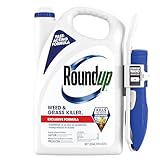
- Roundup Weed & Grass Killer₄ with Comfort Wand kills tough weeds and grasses to the root, including dandelion, crabgrass, poison ivy, clover (red & white), spotted spurge, and other broadleaf weeds
- It is rainproof in as fast as 30 minutes and produces visible results in hours
- Allows for planting 1 to 30 days after application (see booklet for details)
- Use in or around flower beds and perennial landscape plants, around trees and shrubs, on patios, walkways, and driveways, gravel, or mulch beds, along fences and foundations, and edging around foundations and retaining walls
- The easy-to-use Comfort Wand with one-touch continuous spray gives your hands a break


- KILLS WEEDS AND GRASSES: Use on driveways and walkways, and around fences, trees, flower beds, shrubs and other listed areas
- ACCUSHOT SPRAYER: Includes continuous power sprayer with extendable wand
- KILLS THE ROOT: Visible results as fast as 3 hours — replant new flowers, trees and shrubs the same weekend
- RAINFAST: Rainfall or watering 15 minutes after application will not wash away effectiveness
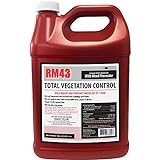
- Concentrated mix with water, add to sprayer
- Serious Weed Control
- Up to one year control
- Total Vegetation control

- Visible Results in One Hour - Spruce dehydrates to kill roots, showing visible results in just 1 hour, dead weeds in 1 day. The hardworking weed sprayer can kill all types of broadleaf and grassy weeds including dandelions, large crabgrass, white clover, dollarweed and morning glory vines.
- Ready to Use Worry-Free Formula - Spruce grass and weed killer is safe to use around people, pets, and bees when used as directed, and one bottle can treat up to 400 weeds. This versatile weed killer spray is made with water, essential oils and surfactant.
- No Mixing Formula - Eliminate measuring, pouring, or diluting for quick and convenient spot treatment on lawns and gardens with 64 oz of our refillable herbicide. For best results, use at the first sign of weed growth.
- How to Use - Slide switch to 'Unlocked' position and hold paddle until product sprays. Hold the weed sprayer nozzle twelve inches from weeds, and spray the entire plant until it is thoroughly wet. After use, slide to 'Locked' position. Reusable sprayer works for up to 5 years (20 uses/year).
- The Snap and Spray Kit - This simplified grass and weed killer kit comes with 2 additional AA batteries to power the reusable wand and 64 oz bottle of our no-mix, no-pour, no-mess herbicide. Try our newly formulated EZ-AIM weed killer spray as well for precision in tough cracks and edges.