This post contains affiliate links. Please see my disclosure policy for more information.
Common Gardening Mistakes Beginners Make (and How to Avoid Them)
Starting a garden is exciting, rewarding, and often a little overwhelming. Many beginner gardeners jump in with big plans, only to run into common problems like wilted plants, poor harvests, or stubborn weeds. The good news is that the most common gardening mistakes are easy to fix once you know what to watch for.
Whether you’re growing vegetables, flowers, herbs, or a little bit of everything, avoiding these beginner gardening mistakes can help you save time, money, and frustration. Here are the most common gardening mistakes beginners make — and exactly how to avoid them.

1. Planting in the Wrong Spot
One of the biggest mistakes new gardeners make is not paying attention to sunlight. Many vegetables and flowers need at least 6–8 hours of direct sunlight each day to thrive.
How to Avoid It
Before planting, spend a day observing your yard or garden area. Pay attention to which spots get full sun (6–8 hours per day), partial shade, or mostly shade.
- Tomatoes, peppers, cucumbers, and most vegetables need full sun.
- Leafy greens and some herbs can tolerate partial shade.
- Shade-loving flowers should stay out of intense afternoon heat.
Choosing the right location from the start makes a huge difference in plant health and productivity.
2. Overwatering Plants
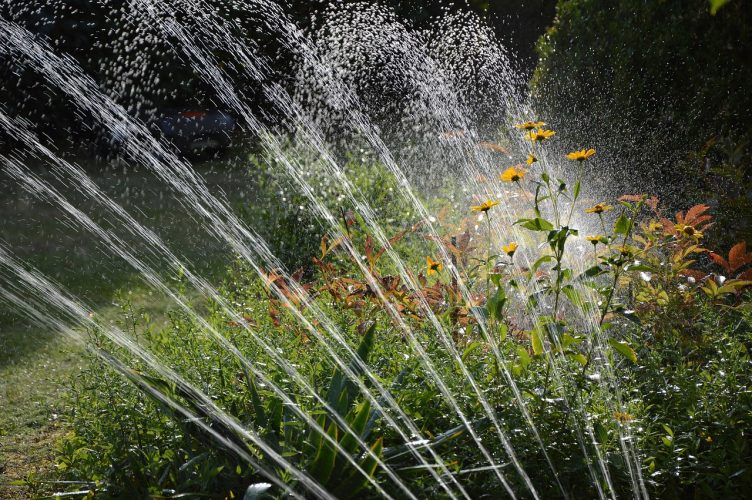
Many beginners think more water equals healthier plants, but overwatering is one of the fastest ways to damage roots and kill plants.
Signs of Overwatering
- Yellow leaves
- Wilting despite wet soil
- Mold or fungus
- Root rot
How to Avoid It
Check the soil before watering. Stick your finger about 1–2 inches into the soil:
- If it feels dry, water thoroughly.
- If it still feels damp, wait another day.
It’s better to water deeply a few times a week than lightly every day.
3. Planting Too Much at Once
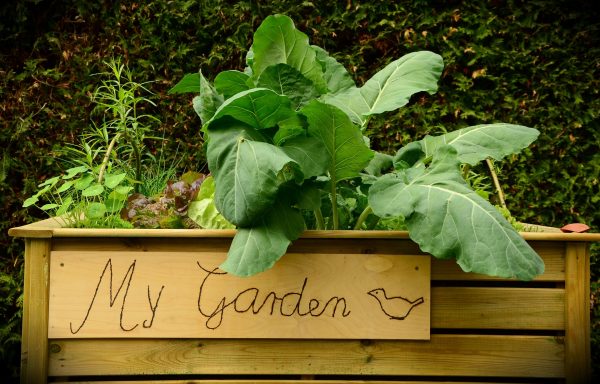
It’s tempting to plant a huge garden in your first year, but beginners often underestimate how much work it takes to maintain.
How to Avoid It
Start small and manageable:
- A few raised beds
- A container garden
- A small herb garden
Focus on growing a handful of crops you actually enjoy eating. You can always expand next season once you gain experience.
4. Ignoring Soil Quality
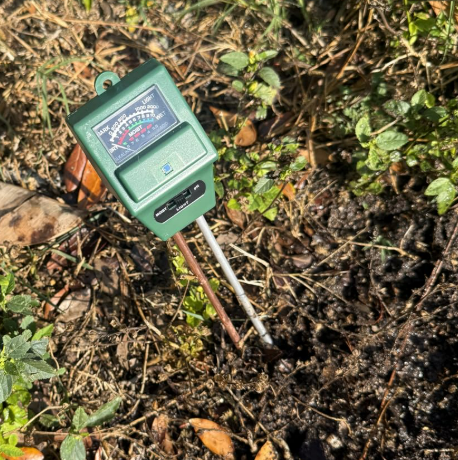
Healthy plants start with healthy soil. Poor soil can lead to weak growth, pests, and disappointing harvests.
How to Avoid It
Improve your soil before planting by adding:
- Compost
- Aged manure
- Organic matter
- Mulch
Good soil drains well while still holding enough moisture for roots.
5. Planting Too Early
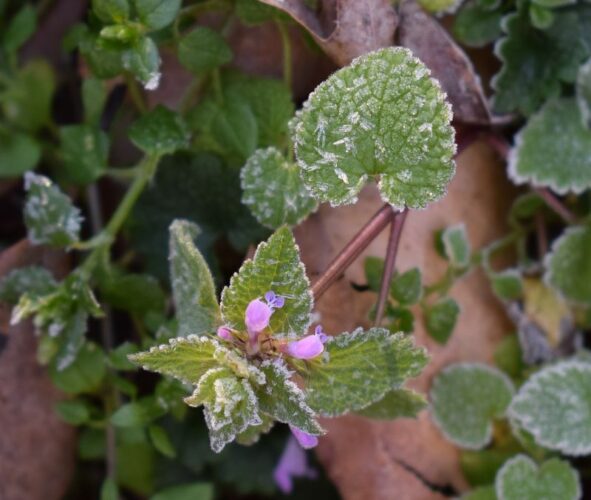
Warm weather can trick beginner gardeners into planting too soon, especially in spring. A late frost can quickly damage tender plants.
How to Avoid It
Know your local frost dates before planting outdoors. Cool-season crops like lettuce and peas can handle chilly temperatures, but tomatoes, peppers, and squash need warm soil and stable temperatures.
Waiting an extra week or two is often safer than rushing.
6. Forgetting About Spacing
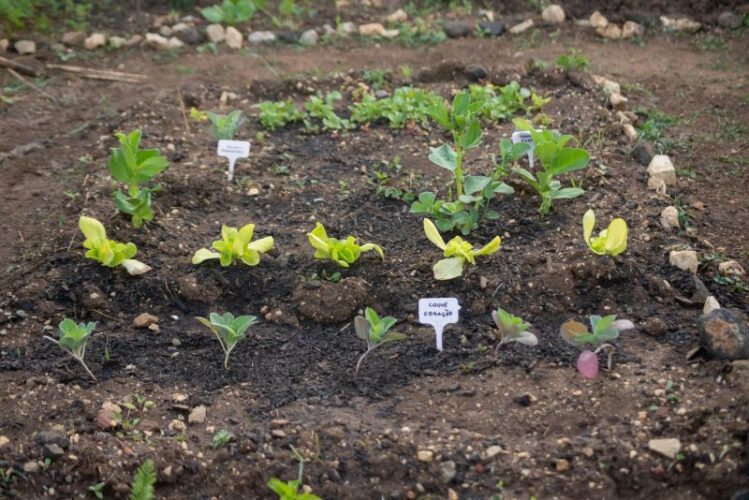
Tiny seedlings may not look crowded at first, but mature plants need room to grow.
Problems Caused by Crowding
- Poor airflow
- Increased disease
- Smaller harvests
- Competition for nutrients
How to Avoid It
Read seed packets or plant labels carefully and follow spacing recommendations. Proper spacing improves airflow and helps plants stay healthier.
7. Not Using Mulch
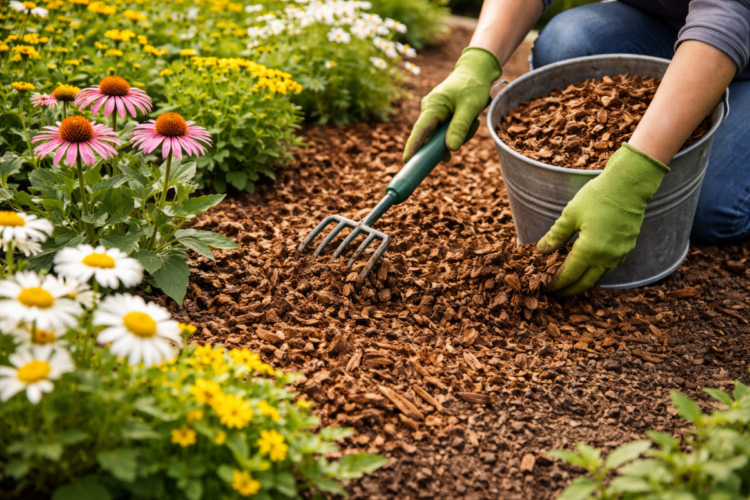
Skipping mulch is a common mistake that leads to more weeds and faster soil drying.
Benefits of Mulch
- Helps soil retain moisture
- Reduces weeds
- Regulates soil temperature
- Improves soil over time
How to Avoid It
Apply 2–3 inches of mulch around plants using:
- Straw
- Wood chips
- Grass clippings
- Shredded leaves
Keep mulch slightly away from plant stems to prevent rot.
8. Using Too Much Fertilizer
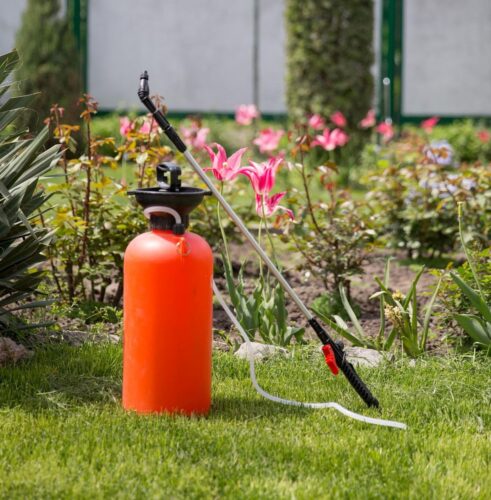
More fertilizer does not always mean bigger plants. In fact, too much fertilizer can burn plants or produce lots of leaves with very little fruit.
How to Avoid It
Use fertilizer according to package instructions and avoid overfeeding. Compost is a great natural option for beginners because it releases nutrients slowly.
9. Neglecting Weeds
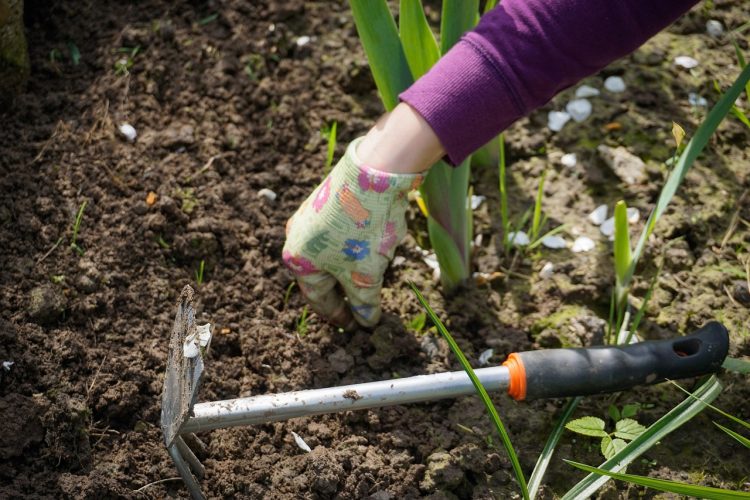
Weeds compete with your plants for sunlight, nutrients, and water. If ignored, they can quickly take over a garden.
How to Avoid It
Pull weeds regularly while they’re still small. Mulching also helps prevent many weeds from sprouting in the first place.
A few minutes of weeding each week is much easier than dealing with an overgrown garden later.
10. Giving Up Too Quickly
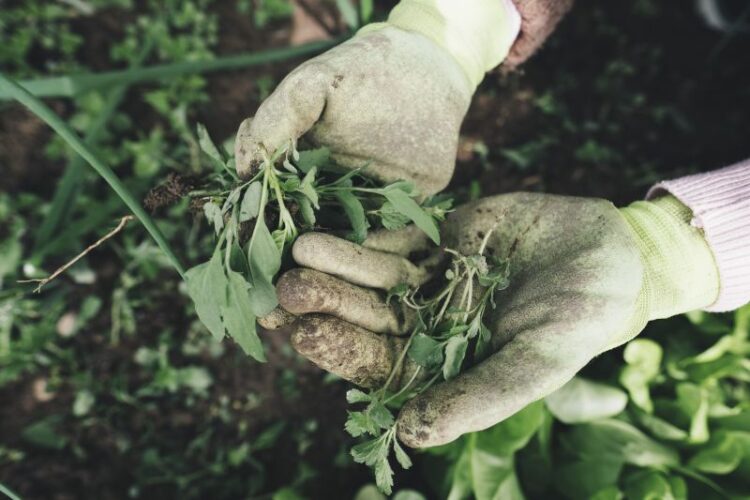
Every gardener makes mistakes — even experienced ones. Plants die, pests appear, and the weather can be unpredictable.
How to Avoid It
Treat gardening as a learning experience. Keep notes about:
- What grew well
- What struggled
- When you planted
- Weather conditions
Each season helps you become a better gardener.

Bonus Tips for Beginner Gardeners
If you’re just getting started, these simple gardening tips can help set you up for success:
- Start with easy plants like tomatoes, zucchini, lettuce, green beans, or herbs.
- Water early in the morning to reduce evaporation.
- Label your plants so you remember what you planted.
- Check your garden daily for pests or problems.
- Don’t be afraid to ask local gardeners for advice.
Gardening doesn’t have to be perfect to be rewarding. Most beginner mistakes are completely normal and easy to correct once you recognize them. By starting small, paying attention to your plants, and learning as you go, you’ll build confidence and enjoy better results each season.
The most important thing is to keep growing.
You may also like Gardening Tips for Warmer Months

- FEEDS ALL PLANTS: Miracle-Gro Water Soluble All Purpose Plant Food is a plant fertilizer that feeds all outdoor, in-ground and indoor plants, including roses, flowers, houseplants, vegetables, and trees
- PROMOTES GROWTH: Use this all-purpose plant food outdoors and indoors to grow bigger, more beautiful plants (vs unfed plants); starts working instantly to promote quick, beautiful results
- NPK: 24-8-16 outdoor and indoor plant food contains Nitrogen (N), Phosphorus (P) and Potassium (K) which are key nutrients plants need to thrive
- APPLICATION: To use as plant food indoors, mix 1/2 tsp per gallon of water in a watering can; to feed outdoor plants, mix 1-1/2 tbsp per 1-1/2 gallon of water in any watering can or use with the Miracle-Gro Garden Feeder
- COVERAGE: One 1.5 lb. container of Miracle-Gro Water Soluble All Purpose Plant Food can be used as an outdoor and indoor plant food for houseplants, vegetables, flowers, trees, roses and more; feeds approximately 600 sq. ft. of garden area

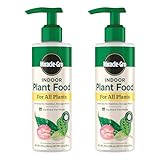
- INDOOR HOUSEPLANT FOOD: Miracle-Gro Indoor Plant Food All Plants contains nutrients for healthier, stronger plants (vs unfed when used as directed)
- NUTRIENTS FOR HEALTHY HOUSEPLANTS: This liquid plant food for indoor plants feeds instantly to help grow healthy houseplants
- FOR INDOOR POTTED PLANTS: Use house plant food with all indoor container plants, including houseplants, flowers, vegetables, herbs, and more
- DIRECTION FOR USE: This Miracle Gro plant food can be applied directly to the soil then watered or mixed in 1 quart of water to feed plants while watering; reapply every 2 weeks
- FEED YOUR INDOOR GARDEN: This bundle comes with two 8 fl. oz. bottles of plant food for houseplants; for more spectacular results, use with Miracle-Gro Indoor Potting Mix for All Plants

- Vegetable seeds variety pack: Grow 35 varieties of leafy greens, root vegetables, tomatoes, peppers, beans, peas, squash, melons, and more. Includes 16,000+ vegetable seeds for planting outdoors in raised beds, garden rows, or containers.
- Heirloom vegetable seeds: All 35 varieties are non-GMO heirloom seeds that are also non-hybrid and open-pollinated. They support traditional gardening and seed saving. Use these garden seeds for planting vegetables in future growing seasons.
- 35 professional paper seed packets: Every variety comes separately packed and labeled, making this garden seed kit easy to organize, sow, and identify. Includes 35 plant markers for vegetable gardens, raised beds, rows, and containers.
- Survival seed kit for emergency preparedness: Include these heirloom survival seeds in a homestead seed bank, prepper supplies, or emergency seed supply. Grow a survival garden according to each crop, your zone, season, soil, sunlight, moisture, and care.
- Resealable Mylar bag for seed storage: Place unused packets inside the outer bag and close the zip seal. Store in a cool, dark, dry place. The included plant markers help identify your vegetable garden seeds in beds, rows, and containers.

- Set includes 43 lightly assorted Vegetable and Herb seeds!
- All Seeds are Heirloom, 100% Non-GMO!
- High Germination Rate within 7-14 days
- Great way to stock up for the next planting season! Includes Freedom Farms Vegetable Set Mylar Bag for Optimal Seed Packet Storage!
- Wonderfully producing plants - Current stock will last for years when stored in a dry - cool place!