This post may contain affiliate links. Please see my disclosure policy for more information.
What to Plant in August for a Fall Garden
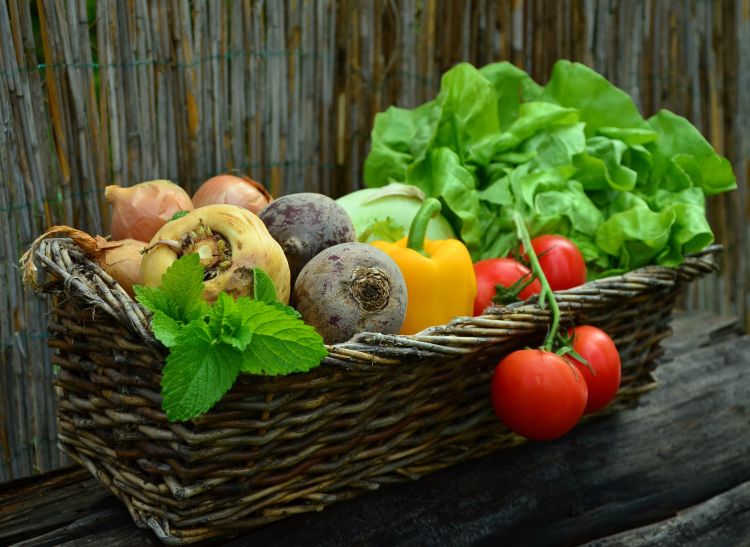
August might seem like the wrong time to plant a garden, especially when the temperatures are still hot, and your summer garden is producing plenty of vegetables. But August is actually a great time to start planning and planting a fall garden.
As summer crops begin to slow down, you can fill those empty spaces with vegetables that prefer the cooler temperatures of late summer and fall. Many cool-season vegetables grow quickly enough to give you a harvest before the first frost.
The key is choosing vegetables that have enough time to mature in your area. Check the days to maturity on the seed packet and count backward from your area’s average first frost date. You may also want to give yourself a little extra time if your weather tends to cool down early.
Here are some of the best vegetables to plant in August for a fall garden.
Radishes
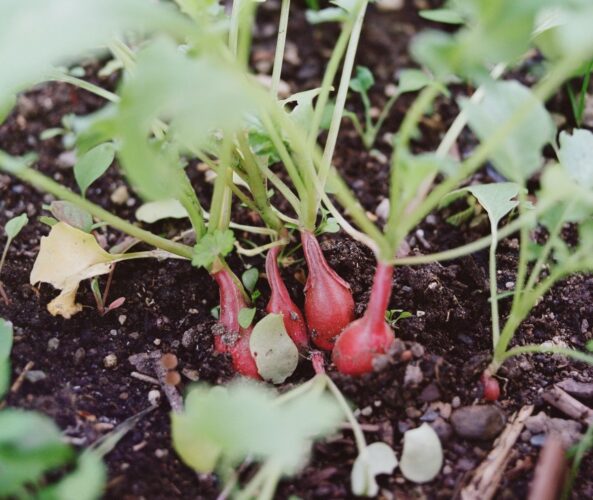
Radishes are one of the easiest vegetables to plant in August because they grow quickly.
Many varieties are ready to harvest in about three to six weeks. They also prefer cooler temperatures, which makes late summer and early fall an excellent time to grow them.
Sow the seeds directly in the garden and keep the soil evenly moist while they germinate.
If you’ve had trouble growing radishes in the spring because they quickly become hot and woody, try growing them as a fall crop instead.
Carrots
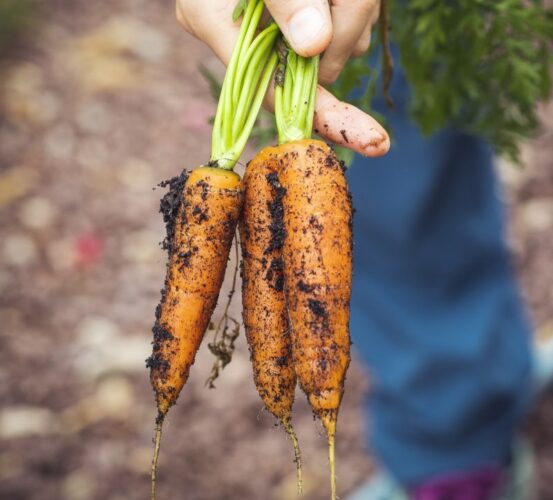
August can be a good time to plant carrots for a fall harvest, particularly in areas with a long growing season.
Carrots grow best in loose, well-drained soil. Work out any large clumps before planting and keep the soil moist until the tiny seeds germinate.
Carrots can tolerate cool temperatures, and some varieties can even be left in the ground after a light frost.
Beets
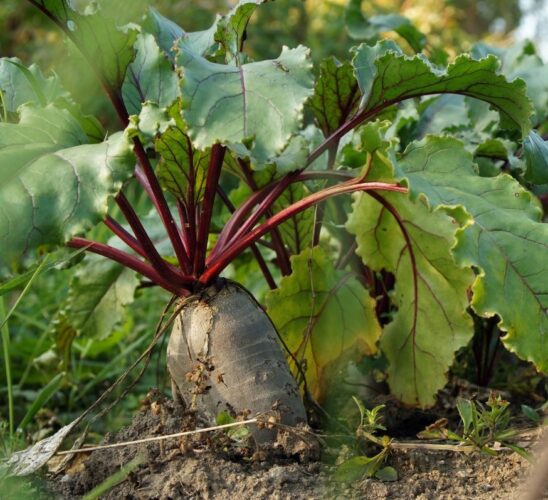
Beets are another good cool-season vegetable to plant in August.
You can harvest the roots when they reach the size you prefer, and don’t forget about the greens. Young beet greens can be cooked just like other leafy greens.
Beets don’t require a huge amount of space, making them a good choice if you’re planting a fall garden in a small area.
Lettuce

Lettuce grows best in cooler weather, so late summer planting can give you a nice crop of fresh greens in the fall.
If August temperatures are still extremely hot in your area, you may have better luck starting lettuce seeds in a partially shaded location or waiting until temperatures begin to moderate.
Keep the soil consistently moist while the seeds are getting established.
For a continuous harvest, plant a small amount every week or two rather than planting everything at once.
Spinach

Spinach is another excellent choice for a fall garden.
It prefers cool temperatures and can grow surprisingly well as the weather begins to cool down. In many areas, you can harvest young spinach leaves throughout the fall.
If your summers are especially hot, wait until temperatures begin to come down before planting. Spinach seeds can have difficulty germinating in very warm soil.
Kale
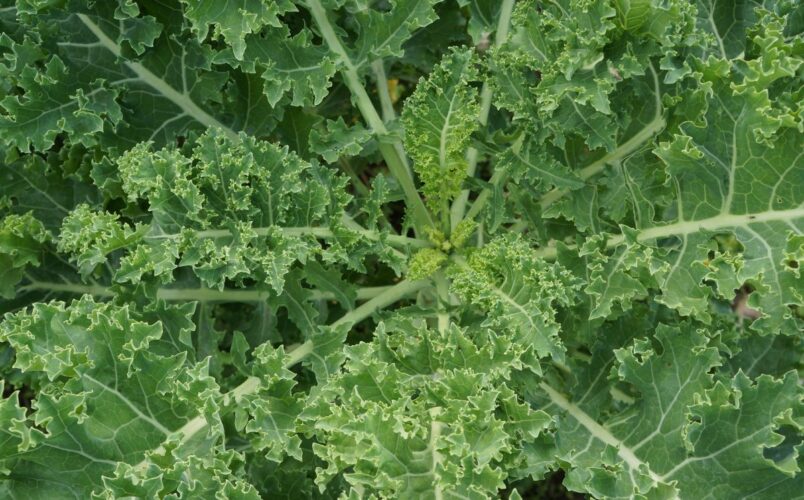
Kale is one of my favorite vegetables for a fall garden because it handles cool weather very well.
You can start kale from seed or transplant young plants into the garden. Once established, it can provide a long harvest of fresh greens.
Cool temperatures can actually make kale taste sweeter, so don’t be in a hurry to pull it out when the weather starts getting chilly.
Swiss Chard
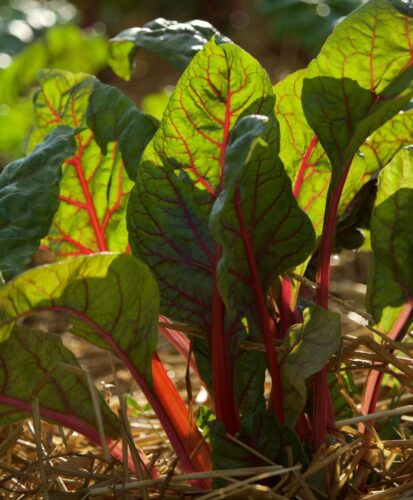
Swiss chard is a versatile vegetable that can give you a long harvest.
Depending on your growing zone, August planting can provide fresh leaves into fall. Harvest the outer leaves as needed and allow the center of the plant to continue growing.
If you’re looking for a vegetable that provides both food and a little color in the garden, Swiss chard is a great option.
Broccoli
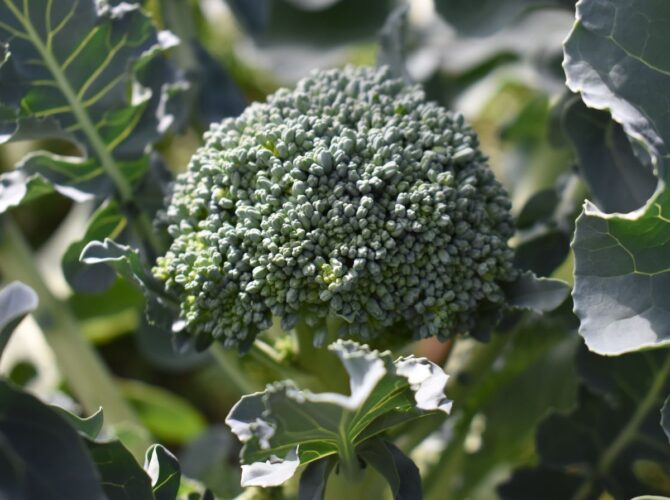
Broccoli is a popular fall garden crop because it prefers cooler weather.
In many areas, August is a good time to transplant young broccoli plants. Starting broccoli from seed in the middle of summer can be more challenging because of the heat, so transplants may be the easier option.
Broccoli needs enough time to mature before freezing temperatures arrive, so check the days to maturity and your local frost date before planting.
Cauliflower
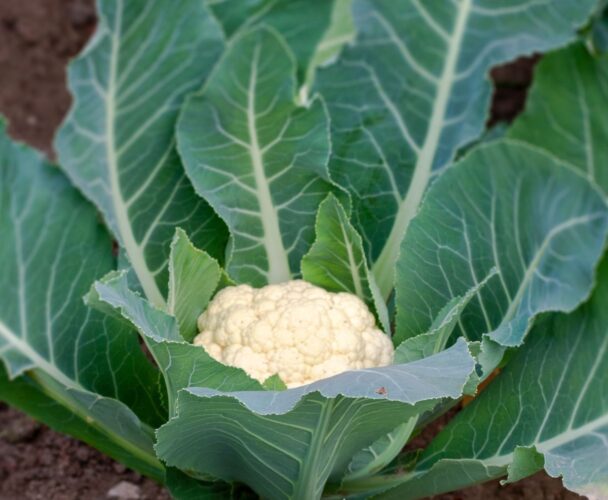
Cauliflower can also be grown as a fall crop, although it can be a little more particular than broccoli.
It prefers consistent temperatures and even moisture. Extreme heat can make it difficult to get good heads, which is why a fall crop can work particularly well.
If you’re planting cauliflower in August, choose a variety with enough time to mature before your first frost.
Green Onions
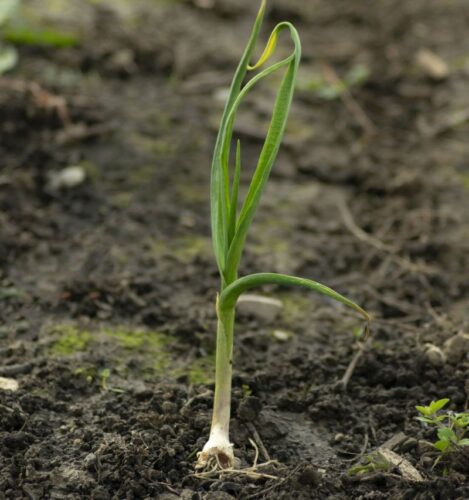
Green onions are an easy addition to a fall garden.
They don’t require much space and can be planted in rows or tucked into open areas between other crops.
Because you’re harvesting the green tops rather than waiting for large bulbs to form, they can be ready relatively quickly.
Peas
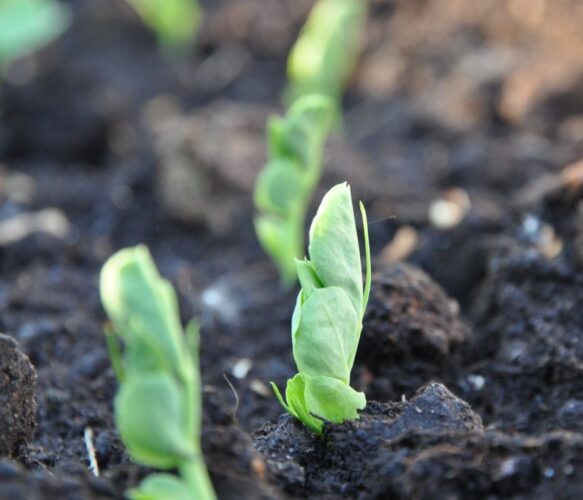
Peas prefer cooler temperatures, making them a good candidate for a late summer or early fall garden in areas with enough growing time.
They don’t do well in extreme heat, however, so you may need to wait until temperatures begin to drop before planting.
Bush varieties are a good choice if you don’t have much room, while climbing varieties can make use of a trellis.
Turnips
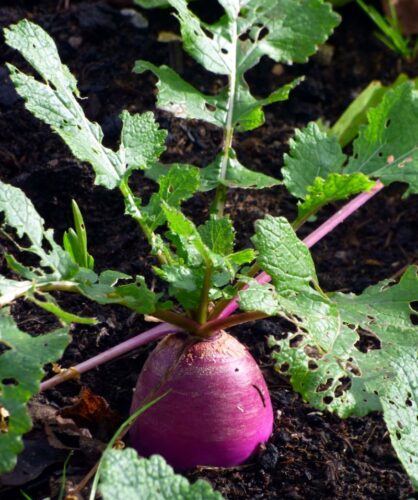
Turnips are fast-growing and well suited to fall gardening.
Both the roots and greens are edible, giving you two harvests from one plant. They can be planted directly from seed and don’t need a lot of space.
Turnips also tolerate cool weather well, so they can continue producing as temperatures drop.
Bok Choy
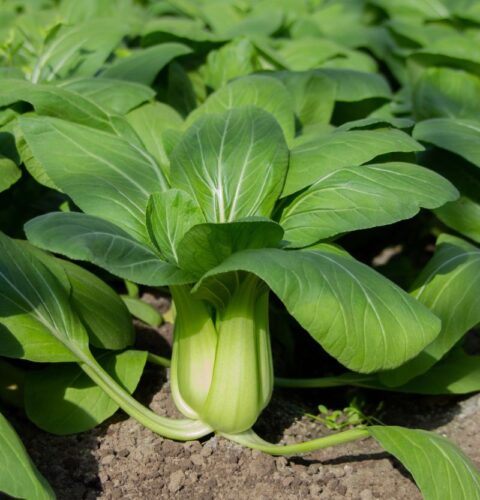
Bok choy grows quickly and is especially well suited to a fall garden.
It can be planted from seed or transplants and is generally ready to harvest much sooner than many larger vegetables.
Because bok choy can bolt in hot weather, growing it as the temperatures cool down can make it much easier to get tender, usable plants.
What About Planting Herbs in August?
Don’t forget about herbs when you’re planning your fall garden.
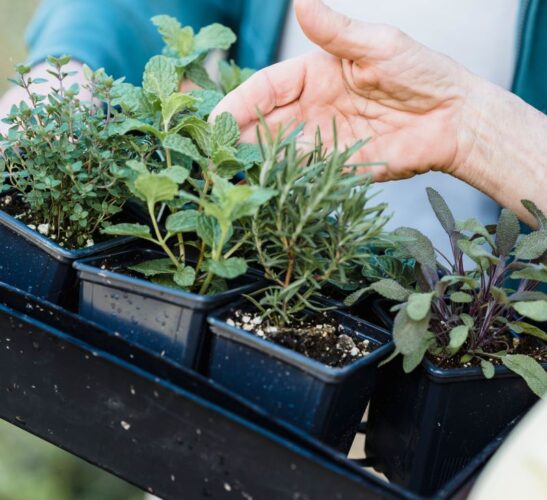
You may still be able to plant or transplant herbs such as:
- Parsley
- Cilantro
- Dill
- Chives
- Thyme
Cilantro and parsley are particularly useful for a fall garden because they prefer cooler weather.
Some herbs can also be brought indoors at the end of the growing season so you can continue harvesting them during the winter.
What Should You Do Before Planting Your Fall Garden?
Before planting, take a little time to prepare your garden beds.
Remove plants that are finished producing and pull out weeds. If a summer vegetable plant is still healthy and producing, there’s no reason to remove it just to make room for a fall crop.
Add a layer of compost to areas that have been heavily used during the summer. This can help replenish the soil and give your new plants a good start.
If you’re planting in containers, refresh the potting mix and make sure the containers have adequate drainage.
Don’t Forget About Your First Frost Date
The most important thing to consider when planting a fall garden is your first expected frost date.
Look at the number of days to maturity listed on the seed packet. Then count backward from your average first frost date to determine whether you have enough time for the crop to mature.
For example, if a vegetable needs 45 days to mature, you don’t want to plant it only a few weeks before your first expected frost.
Keep in mind that the days to maturity listed on seed packets are estimates. Weather conditions can cause plants to mature more quickly or slowly.
Use Your Summer Garden Space
One of the easiest ways to start a fall garden is to reuse the space where your summer vegetables have finished producing.
As tomatoes, cucumbers, zucchini, beans, and other summer crops finish up, remove the spent plants and prepare the soil for another crop.
You don’t necessarily need a separate garden bed for your fall vegetables. Planting a second crop in the same space allows you to get more food from the garden you already have.
Can You Plant in August if It’s Still Very Hot?
Yes, but you may need to make a few adjustments.
Seeds can have trouble germinating in hot, dry soil. Keep newly planted areas consistently moist, and consider using shade cloth or planting in an area that receives some afternoon shade while temperatures are at their highest.
For some cool-season vegetables, it may be better to wait until the hottest part of summer has passed.
This is another reason to check your local growing conditions rather than following a specific calendar date. August can mean very different growing conditions depending on where you live.
August doesn’t mean the gardening season is over
August doesn’t mean the gardening season is over. In fact, it’s the perfect time to start thinking about your fall harvest.
Radishes, carrots, beets, lettuce, spinach, kale, broccoli, peas, turnips, and other cool-season vegetables can give you plenty of fresh produce as your summer garden begins to wind down.
Pay attention to your first frost date, choose varieties that will mature in time, and keep newly planted seeds and seedlings well watered while the weather is still hot.
With a little planning, you can enjoy fresh vegetables well into the fall instead of putting your garden away at the end of summer.

- Gardening Kit: 55 Most Popular Vegetable Seeds Variety Pack NON GMO Heirloom Seeds LESS THAN $0.70 PER SEED VARIETY PACK 35,600+ seeds including: Artichoke, Arugula, Bean, Beet, Bok Choy, Broccoli, Brussel Sprouts, Cabbage, Carrot, Cauliflower, Celery, Collard, Corn, Cucumber, Curled Cress, Eggplant, Endive, Kale, Kohlrabi, Lettuce, Mache Corn Salad, Okra, Leek, Scallion, Onion Parsnip, Pea, Pepper , Pumpkin, Radish, Rapini, Spinach, Squash, Sunflower, Swiss Chard, Tomatoes, Turnip, Zucchini.
- Enhanced Gardening Experience: Our seeds for planting outdoor and indoor garden come in a waterproof resealable bag with 55 individual craft seed packets inside. Enjoy planting home garden with mini gardening supplies including leaf clipper, tweezers, seed dibber tool, weeding fork, and widger tool. Scan the QR codes on the seed packets to access online gardener basic growing guide and culinary book. Learn about vegetable gardening, discover everyday recipes to make the most of your harvest.
- Garden Success Assured: Whether you have an indoor hydroponic garden or an outdoor vegetable patch, our seeds are perfect for any setting. With a superior germination rate proven through various tests, enjoy fresh vegetables growing food all year round. Enjoy the satisfaction of growing seeds on your own garden, knowing that our high-quality seeds for planting vegetables guarantee abundant harvest and delicious meals for you and your family.
- Quality You Can Trust: Proudly made in the USA by a Small Family-Owned Business, our seeds for planting vegetables undergo rigorous testing with a 90%+ germination rate. Sealed to last for up to 2 years, you can trust the freshness and viability of our seeds.

- Set includes 43 lightly assorted Vegetable and Herb seeds!
- All Seeds are Heirloom, 100% Non-GMO!
- High Germination Rate within 7-14 days
- Great way to stock up for the next planting season! Includes Freedom Farms Vegetable Set Mylar Bag for Optimal Seed Packet Storage!
- Wonderfully producing plants - Current stock will last for years when stored in a dry - cool place!

- Vegetable seeds variety pack: Grow 35 varieties of leafy greens, root vegetables, tomatoes, peppers, beans, peas, squash, melons, and more. Includes 16,000+ vegetable seeds for planting outdoors in raised beds, garden rows, or containers.
- Heirloom vegetable seeds: All 35 varieties are non-GMO heirloom seeds that are also non-hybrid and open-pollinated. They support traditional gardening and seed saving. Use these garden seeds for planting vegetables in future growing seasons.
- 35 professional paper seed packets: Every variety comes separately packed and labeled, making this garden seed kit easy to organize, sow, and identify. Includes 35 plant markers for vegetable gardens, raised beds, rows, and containers.
- Survival seed kit for emergency preparedness: Include these heirloom survival seeds in a homestead seed bank, prepper supplies, or emergency seed supply. Grow a survival garden according to each crop, your zone, season, soil, sunlight, moisture, and care.
- Resealable Mylar bag for seed storage: Place unused packets inside the outer bag and close the zip seal. Store in a cool, dark, dry place. The included plant markers help identify your vegetable garden seeds in beds, rows, and containers.

- Diverse Harvest: Enjoy 11 easy-to-grow vegetable varieties with our seed kit; perfect for cultivating a healthy and abundant garden. Non-GMO, open-pollinated, heirloom seeds
- Winter Garden Ready: Includes a selection of premium winter vegetable seeds; curated for cold weather resilience and exceptional flavor
- Sourced and Packed in the USA: NatureZ Edge seeds are non-GMO and heirloom varieties; carefully sourced from U.S. suppliers and packed in resealable, moisture-proof pouches for lasting freshness
- Easy to Grow: Each seed packet includes step-by-step growing instructions; perfect for beginners and experienced gardeners alike
- Quality Assurance: Our seeds are tested for high germination rates; grow your vegetable garden with confidence knowing we stand behind our products

- COMPLETE VEGETABLE GARDEN VARIETY PACK – Grow a thriving home garden with 32 popular vegetable seeds including Bean, Beet, Bell Pepper, Broccoli, Brussels Sprout, Cabbage, Cantaloupe, Carrot, Cauliflower, Celery, Corn, Cucumber, Eggplant, Kale, Lettuce (3 types), Lima Bean, Okra, Onion, Pea, Parsnip, Pumpkin, Radish, Spinach, Sunflower, Swiss Chard, Tomato, Turnip, Watermelon, Zucchini. A diverse mix perfect for fresh meals, backyard gardens, and sustainable growing.
- PREMIUM HEIRLOOM SEEDS – Our carefully selected heirloom seeds are chosen for reliability, strong germination, and adaptability, making them ideal for beginner gardeners, experienced growers, homesteads, and small farms.
- GROW A SELF-SUFFICIENT GARDEN – Enjoy a wide range of vegetables from crisp greens and root crops to flavorful fruits and hearty garden staples. Perfect for fresh ingredients for salads, soups, and home-cooked meals straight from your garden. Each pack includes an easy-to-follow growing guide to ensure success for every gardener.
- INDIVIDUALLY PACKED FOR FRESHNESS – Each seed variety comes in its own resealable, waterproof packet designed for long-term storage, easy organization, and protection from moisture to keep seeds fresh until planting time.
- GIFTABLE GARDENING SET – Thoughtfully packaged and ready to share, this vegetable seed collection makes a perfect gift for gardeners, homesteaders, beginners, or anyone who loves growing their own food.