This post may contain affiliate links. Please see my disclosure policy for more information.
10 Things You Should Never Throw Away
Have you ever thrown something away, only to realize later that you could have used it for something else? Before you toss certain household items in the trash, it pays to take a second look. Some of the things we throw away every day can actually save us money when we find ways to reuse them.
I’m always looking for ways to get more use out of the things I already have instead of buying something new. Whether it’s saving old towels for cleaning, keeping glass jars for storage, or reusing garden supplies, a little creativity can help stretch your household budget. Plus, finding new uses for things you already own can help reduce waste.
Of course, that doesn’t mean you need to keep every empty container or worn-out household item. The key is knowing which things are genuinely useful and how to make the most of them. Here are 10 things you should think twice about throwing away and the reasons they’re worth keeping.
1. Glass Jars
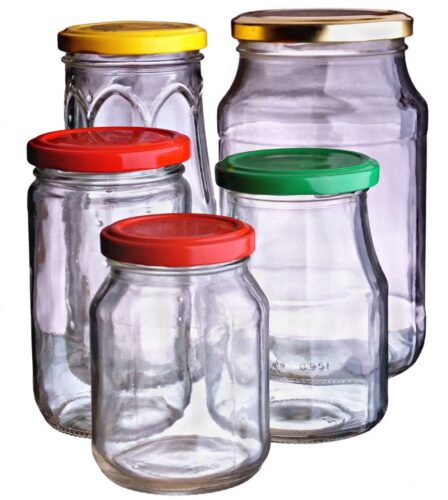
Before recycling an empty glass jar, consider how much you could use it for around the house. Jars that once held pasta sauce, pickles, jam, or other foods can become useful storage containers with just a little cleaning.
One of the biggest reasons to keep glass jars is that they can replace storage containers you might otherwise have to buy. Use them to organize nails, screws, buttons, craft supplies, rubber bands, or other small items that tend to get lost in drawers. Smaller jars work well for organizing a junk drawer, while larger jars can hold pantry staples, homemade salad dressings, or leftover sauces.
Glass jars are also handy for storing homemade spice blends, keeping small amounts of dried herbs, or organizing seeds you’ve collected from your garden. Clear jars make it easy to see what’s inside, and many have lids that help keep their contents contained.
Before reusing a jar, wash it thoroughly and check for chips or cracks. If you’re storing food, make sure the jar and lid are suitable for that purpose. Ordinary glass food jars should not automatically be used for home canning, which requires appropriate canning jars and equipment.
I reuse empty glass jars for storing bacon grease and when I make Homemade Vanilla and Homemade Liqueurs. If a jar isn’t suitable for storing food, I use it to dispose of hamburger grease.
Why keep them? Glass jars are durable, versatile, and free once you’ve finished the original product. Saving a few useful sizes can help you organize your home without spending money on new containers.
2. Vegetable Scraps
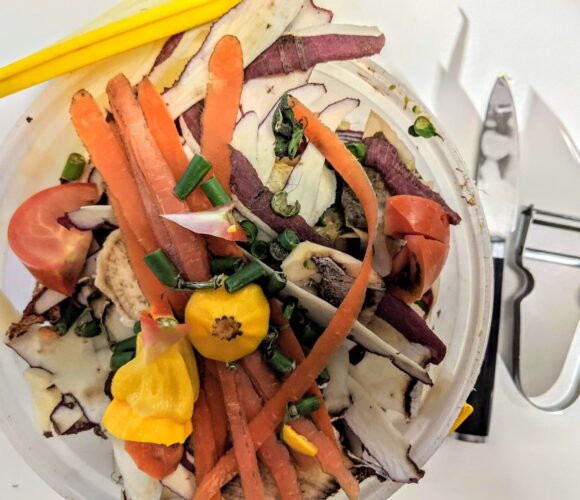
Vegetable scraps are one of the easiest things to put to good use instead of throwing them away. Onion ends, carrot peels, celery leaves, broccoli stems, and other edible trimmings can add flavor to meals or become valuable material for your garden.
One option is to use suitable scraps in homemade vegetable broth. Keep a container in the freezer and add clean trimmings as you prepare meals. Once you have enough, simmer them in water to make broth for soups, stews, rice, and other recipes. Avoid moldy or spoiled scraps, and remember that large amounts of strongly flavored vegetables, such as broccoli or cabbage, can make broth bitter.
You can also incorporate vegetable scraps into soups and sauces. Peel and chop broccoli stems or cauliflower stems before adding them to soup, or finely mince suitable vegetable trimmings and cook them into a pasta sauce. Blending cooked vegetables into sauces is another way to use them while adding flavor and texture.
For another option, dehydrate suitable vegetable scraps until they’re completely dry and crisp. Carrot, onion, and celery pieces can be ground into powders and combined to make homemade vegetable seasoning. Use it to flavor soups, casseroles, roasted vegetables, and other dishes. Store the seasoning in an airtight container only after the ingredients have dried thoroughly.
Finally, vegetable scraps can go into a compost pile. Combine fruit and vegetable scraps with dry materials such as fallen leaves, shredded plain cardboard, or untreated paper to create compost for your garden.
Why keep them? Using vegetable scraps helps you get more from the groceries you already buy, reduces food waste, and can provide useful ingredients for cooking or compost for your garden.
3. Old Towels and Sheets
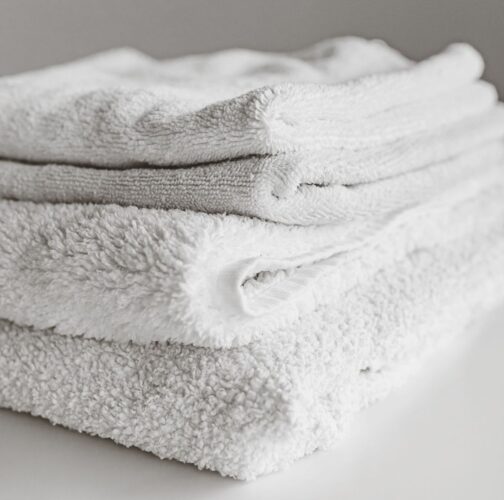
When towels become thin, stained, or too worn to use in the bathroom, you don’t necessarily need to throw them away. The same goes for old sheets that are no longer comfortable enough for your bed. These fabrics can still be useful for dozens of household tasks.
Cut worn towels into smaller cleaning cloths. They’re especially useful for wiping up spills, cleaning floors, scrubbing dirty surfaces, washing the car, and handling messy jobs that you wouldn’t want to use your good towels for. Because they can be washed and reused, they can replace many disposable paper towels and cleaning wipes.
Old sheets have their own advantages. Use them to cover furniture while painting, protect floors during a messy project, or keep dust off stored items. A clean sheet can also protect furniture when moving items around the house. Or use them to cover plants when there is a frost warning.
If you have pets, keep a few old towels on hand for drying wet paws, cleaning up muddy messes, or drying a dog after a bath. Just keep pet-cleaning towels separate from the ones you use for other household jobs.
If the material is still in good condition, you may also be able to donate it to an organization that accepts used linens. Some animal shelters accept towels and sheets, although it’s best to check their requirements before dropping them off.
Why keep them? Reusable cleaning rags and protective coverings can save money on paper products and help protect your home and belongings during everyday messes and DIY projects.
4. Cardboard Boxes
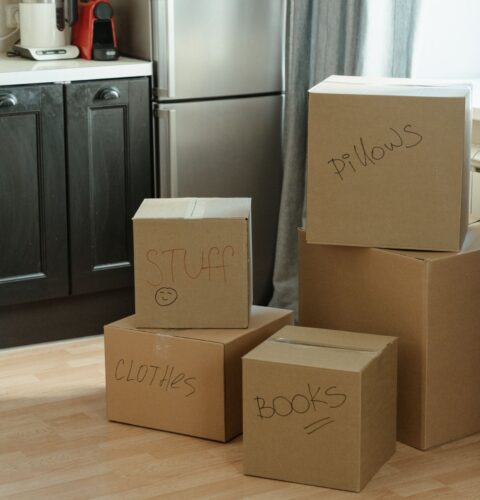
Before breaking down every cardboard box for recycling, think about whether you could use it again. Sturdy boxes can be surprisingly valuable, especially if you regularly ship packages, organize your home, garden, or store seasonal decorations.
Keeping a few different sizes on hand can save you from buying boxes when you need to mail something or pack belongings for a move. Smaller boxes can help organize closets and drawers, while larger ones are useful for holiday decorations, craft supplies, and items you don’t use every day.
Cardboard can also be useful in the garden. Plain, uncoated cardboard can be laid over weeds and covered with mulch to help suppress unwanted growth. This technique is often used when preparing new garden beds or converting a grassy area into a planting space. Remove tape, plastic labels, and staples when practical, and avoid glossy or plastic-coated cardboard. See: Uses for cardboard in the garden for more ideas.
You can also use cardboard as a protective layer when working on a project, placing a temporary barrier under a messy job, or packing fragile belongings. However, don’t keep boxes that are damp, moldy, or contaminated, and avoid storing them where pests can become a problem.
Why keep them? Reusing boxes can save money on packing supplies, provide free storage solutions, and offer a practical gardening material that might otherwise end up in the recycling bin.
5. Used Coffee Grounds
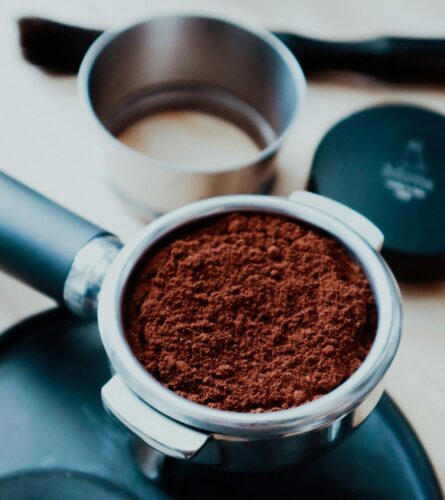
If you make coffee at home every day, you’re probably throwing away a steady supply of used coffee grounds. Rather than automatically putting them in the trash, consider saving them for your compost pile or garden.
Coffee grounds contain organic material that can contribute to compost. Add them along with other kitchen scraps, dry leaves, and other suitable compost ingredients. Mixing the grounds with a variety of materials is important because a thick layer of wet coffee grounds can compact and interfere with airflow.
You can also add used coffee grounds to your compost collection system if you prefer to gather kitchen waste before taking it outdoors. Just empty the container regularly and clean it to prevent unpleasant odors.
If you garden, finished compost containing coffee grounds can be incorporated into your soil as part of your usual soil-building routine. However, don’t assume that coffee grounds alone will fertilize every plant or predictably change soil conditions. They’re best treated as one component of a balanced compost mixture.
See: Alternative Uses for Coffee Grounds for even more suggestions.
Why keep them? Coffee grounds are a free source of organic material that can contribute to compost, helping you make use of something you produce every day instead of sending it straight to the landfill.
6. Leftover Paint
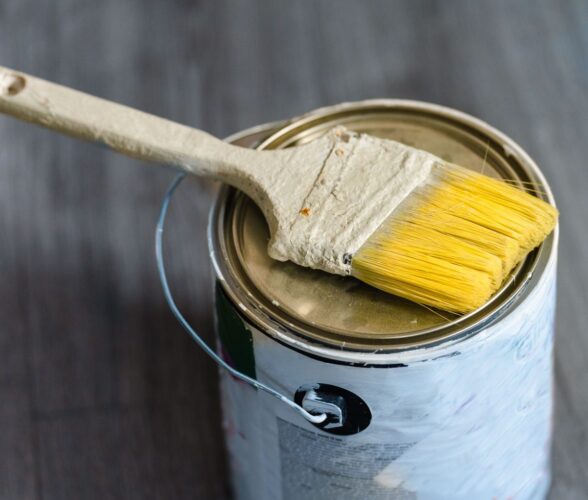
Have you ever painted a room, used most of the paint, and wondered what to do with the little bit left in the can? Don’t throw it away if you have a safe place to store it. That leftover paint could save you money the next time a wall gets scratched or scuffed.
Even small amounts can help you touch up marks around doorways, cover scratches, or repair spots damaged during everyday use. Having the original paint also makes it easier to match the color and finish when you need to make a small repair.
Keep the paint in its original container whenever possible, with the label intact. Write down the room where it was used if that information isn’t already on the can. This can save you the trouble of remembering which shade belongs in each room.
Store paint securely according to the manufacturer’s instructions, away from children, pets, and extreme temperatures. Check it before using it again. If it smells unusual, shows signs of spoilage, or has become unusable, don’t apply it to your walls.
If you no longer need the paint, look for a local paint-reuse or recycling program or contact your household hazardous waste facility for disposal guidance. Never pour leftover paint down a drain or onto the ground.
Why keep it? A small amount of leftover paint can save you from purchasing another can for minor touch-ups and help you maintain your walls without an unnecessary expense.
7. Gift Bags, Tissue Paper, and Ribbon
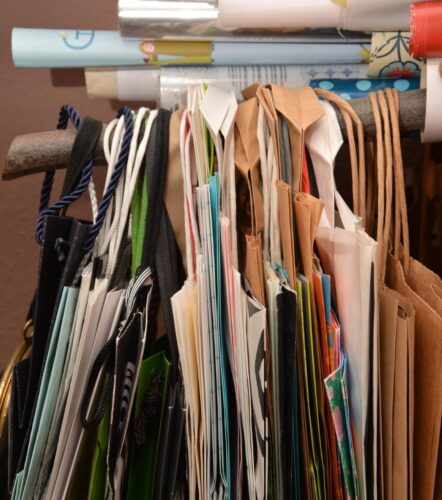
Gift bags and wrapping supplies can add up quickly, especially when you have birthdays, holidays, and other celebrations throughout the year. Instead of throwing away every gift bag after one use, inspect it and save the ones that are still in good condition.
A sturdy gift bag can often be used several times without anyone noticing. Remove old gift tags, straighten the handles, and fold the bag flat for storage. Keep different sizes together so you can easily find the right one when you need it.
Tissue paper can also be reused if it hasn’t been torn, stained, or badly crushed. Smooth it out carefully and fold it for the next gift. Save ribbon and bows that can be untangled or reshaped, too.
You can organize these supplies in a box or drawer so they don’t become damaged. Keeping gift bags with your wrapping paper makes it easier to use what you already have instead of making a last-minute trip to buy more.
Of course, there are limits. Discard bags that are torn or damaged, and recycle or dispose of tissue paper according to your local guidelines.
Why keep them? Reusing gift bags, ribbon, and tissue paper can reduce the cost of gift wrapping throughout the year. You may already have everything you need for the next birthday or holiday.
8. Plant Pots and Seedling Trays
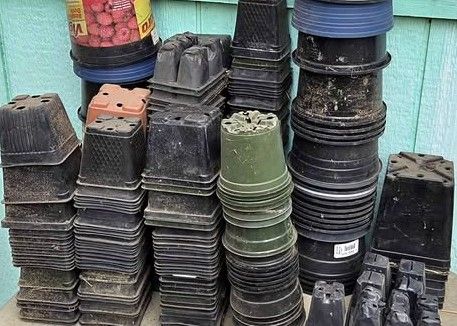
If you garden, don’t automatically throw away the plastic nursery pots and seedling trays that plants come in. These containers can often be reused for future planting projects, saving you money when it’s time to start seeds or purchase new plants.
Keep sturdy pots in a few useful sizes. Smaller containers can be used for starting seedlings, while larger pots can temporarily hold plants before they’re moved into the garden. Seedling trays can also help you start multiple plants indoors before the growing season begins.
Before reusing them, remove old soil and plant debris, then wash the containers thoroughly. Make sure drainage holes are clear, and the plastic hasn’t become brittle or cracked. If a pot previously held a plant with a serious disease or pest problem, clean and disinfect it appropriately or replace it if necessary.
You can store clean, dry pots by nesting them together in the garage, shed, or another protected area. This keeps them organized and ready for spring planting rather than buying new ones every year.
Why keep them? Reusing nursery pots and seed trays can reduce gardening expenses, especially if you grow vegetables, herbs, or flowers from seed or frequently purchase starter plants.
9. Old Cotton T-Shirts
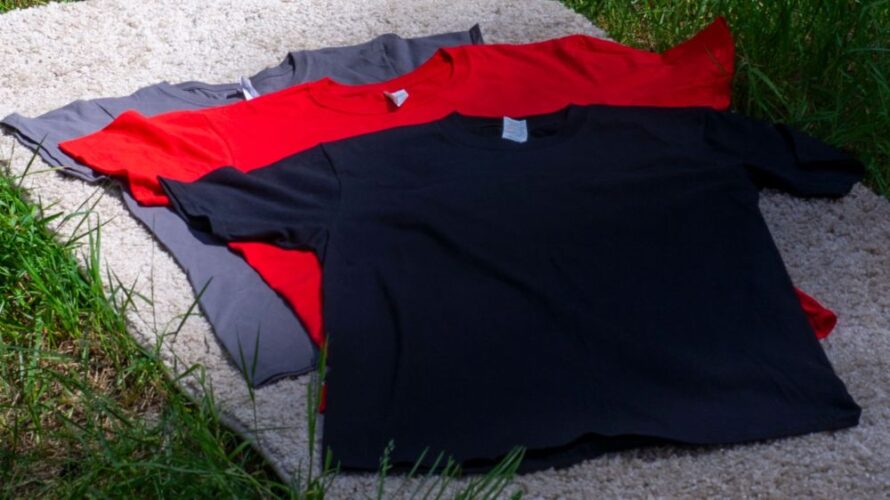
A cotton T-shirt that’s faded, stretched, or no longer suitable to wear can still be useful around the house. Before tossing it, consider turning it into cleaning cloths or saving the fabric for other projects.
Cut the shirt into squares or strips and keep the pieces with your cleaning supplies. Soft cotton cloths are useful for dusting, wiping counters, cleaning windows with a suitable cleaner, and polishing certain surfaces. They’re also handy for jobs where you need several rags and don’t want to use your good towels.
Old T-shirts can be especially useful when working on a car, cleaning garden tools, or handling a messy project. You can keep a few in the garage or shed for jobs that don’t require a specialized cleaning product.
If you enjoy crafts, clean T-shirt fabric can be used for braided rugs, simple sewing projects, reusable ties for plants, or other DIY projects. If the shirt is still wearable, consider donating it rather than cutting it up.
Avoid using fabric that is contaminated with chemicals or other hazardous substances for ordinary cleaning tasks.
Why keep them? Turning worn clothing into cleaning cloths gives the fabric another purpose and helps reduce the need to purchase disposable wipes or paper towels for every job.
10. Spare Screws, Nails, and Hardware
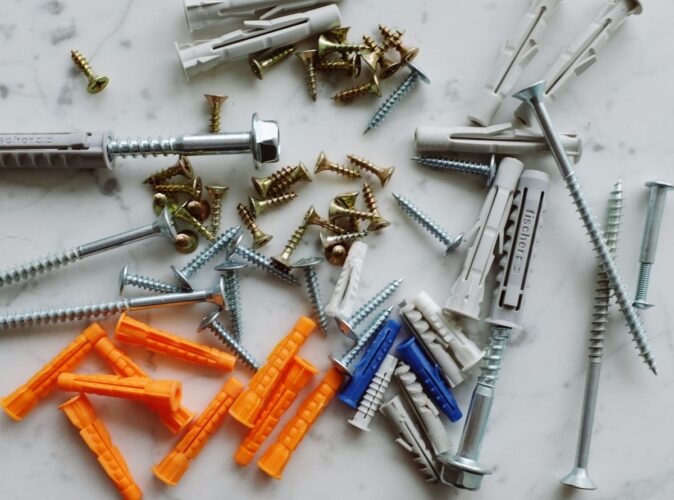
If you’ve ever assembled furniture, completed a home repair, or taken apart an old item, you may have ended up with a handful of extra screws, nails, washers, brackets, or other small hardware. It’s tempting to throw these pieces away, especially when you don’t immediately know what they’re for.
However, keeping useful hardware can save you an unnecessary trip to the hardware store when you need a replacement. A missing screw on a cabinet hinge, a loose bracket, or a small fastener needed for a repair can sometimes be replaced with a spare you already have.
The trick is to keep the hardware organized instead of tossing everything into one container. Use small divided organizers or labeled containers to separate screws, nails, washers, and other parts. If you have spare hardware from a particular furniture assembly, keep it with the instructions or label the container so you know what it belongs to.
Be selective about what you keep. Rusty, bent, damaged, or unidentified parts that you are unlikely to use may not be worth storing. Never assume a random screw is suitable for a structural repair or another application where the correct fastener is important.
Store sharp hardware securely, especially if children are in your home.
Why keep them? A small, organized supply of useful spare hardware can save money on minor repairs and prevent perfectly fixable household items from sitting unused while you search for a replacement part.
How to Decide What Is Worth Keeping
Although these items can be useful, that doesn’t mean you should save everything you would otherwise throw away. Too much clutter can make it harder to find the things you actually need.
Before saving an item, ask yourself three questions:
- Will I realistically use it? Keep items that serve a specific purpose in your home, garden, or workshop.
- Will keeping it save me money or time? Prioritize items that replace something you would otherwise need to buy.
- Can I store it safely and neatly? If something is damaged, contaminated, or likely to attract pests, it’s probably better to dispose of it properly.
A little organization goes a long way. Designate a spot for reusable jars, cleaning rags, gardening containers, and spare hardware. When your storage space fills up, use what you’ve saved before collecting more.
Frequently Asked Questions
What household items are worth saving instead of throwing away?
Glass jars, old towels, cotton T-shirts, cardboard boxes, gift bags, leftover paint, plant pots, and useful spare hardware are all worth considering. These items can help with storage, cleaning, gardening, repairs, and other household tasks.
How can reusing household items save money?
Reusing items can help you avoid buying replacements. For example, old towels can become cleaning cloths, saved gift bags can reduce wrapping costs, and leftover paint can be used for touch-ups instead of purchasing another can.
Is it better to reuse or recycle items?
When an item is safe and useful, reusing it can extend its life and reduce the need to purchase something new. When it can no longer be used, recycling may be a good option if your local program accepts the material. Items that are damaged or contaminated should be handled appropriately.
How do I keep saved items from becoming clutter?
Only save items you have a realistic use for, and give them a designated storage spot. Keep a manageable number of jars, boxes, or cleaning rags rather than collecting every item that might possibly come in handy someday.
Saving money doesn’t always mean finding a coupon or waiting for a sale. Sometimes, it’s as simple as making better use of the things you already own.
From turning old towels into cleaning rags to saving leftover paint for future touch-ups, these small habits can help reduce waste and keep more money in your pocket. You don’t need to save everything, but before you throw something away, take a moment to consider whether it could be useful again.
The next time you’re about to toss one of these items, think about whether keeping it could save you a trip to the store, help with a household project, or make your next gardening season a little less expensive.
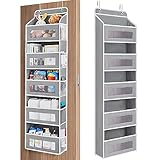
- Swing-proof & 44 LB Load: Unlike other door organizers, our product features reinforced stitching between each side pocket, and built-in strengthened side cardboards to prevent tilting. Additionally, strongly reinforced bottom cardboard, which can stay put without deforming even when you load up to 44 lbs. Also, do not move/sway when you open or close the door.
- Double Your Storage Space: Featuring 5 roomy pockets (up to 15.7" /40cm long) and 5 additional mesh side pockets, this over the door stuffed animal storage instantly expands storage options, making it an ideal space maximizer for any room.
- Multipurpose door storage: Versatile hanging door organizer works great for expanding storage. Fits children's rooms, storage rooms, offices, laundry rooms, bedrooms, bathrooms, living rooms, pantries, dorms, nurseries, and other areas where you need to store toys, diapers, wet wipes, baby towels, socks, and other items. Designed to cater to all your storage needs.
- Easy Accessibility with Bigger Pockets: Sized at 15.7in L x 5.5in W x 57.8 H, our closet door organizers provide larger bins and 4.3" gaps for effortless access. The see-through mesh on each pocket ensures you find what you need effortlessly.
- Easy to Assemble: Set up the toy storage organizer in a mere 30 seconds. Simply hang the hook on the door, hang the organizer onto the hooks, and insert the 5 bottom cardboards. With special metal hooks designed to fit doors up to 1.98" thick, enjoy a hassle-free and versatile installation experience.


- Hold Up to 66lbs: Yecaye under bed storage with wheels is made of high quality 300D PU fabric and sturdy metal frame, can hold up to 66 lbs, stronger than other fragile metal mesh, spacious capacity perfect for storing clothes, toys, books, shoes and other heavy items also won't compromise stability and durability
- 360°Rotating Silent Wheels: Say goodbye to constantly carrying heavy storage boxes around your house.This under bed rolling storage comes with 4 x 360°rotating wheels,two of which have locking function.When you need it to remain stationary, just press the locking mechanism gently. No matter how full the cart is, adults and children can easily slide on the floor and carpet
- Clear Window & Label: Our rolling underbed storage bins are equipped with a Clear window, you can clearly see the stored items, say goodbye to the trouble of misplacing items. Additionly, the included label is great for labeling contents, allowing you to quickly identify and find the item you're looking for without having to open multiple containers or boxes
- Versatility: Under bed shoe storage dimensions:30.71 x 16.93 x 6.69 inches (with wheels), (applicable under-bed height > 7in), large capacity exceeds your expectation to store more daily items. It can be placed under beds, sofas, tables, and closets to maximize unused space. In addition, this under bed storage drawers can be folded up when not in use, perfect for small families and dorm room essentials, offering extra storage in tight spaces
- Easy to Install: This rolling storage bin is designed for easy installation and is hassle-free. It includes user-friendly instructions and requires minimal effort to set up. This means you can quickly install it and start using the underbed storage space, saving valuable time and effort

- Premium Material : The under bed storage containers are made from high-quality, odorless, three-ply composite non-woven thick fabric, foldable and breathable, keep clothing fresh from long-term storage. NO cardboard NOR metal supports insert, arrive to you collapsed and packaged in a clear storage bag.
- 95L Large Capacity : Each Underbed Storage Bags has 90 Liter or 24 Gallon load capacity, dimensions: 39 (L) x 20 (W) x 7 (H) inch, 7 inch height designed for most underbed space, the 4 Long Smart Cube bags works well for storing items like gifts wrap, blankets, linens, bedding, pillows, bed sheets, comforters, towels, children's stuffed animal toys, seasonal clothes, clothes, shoes, Halloween holiday decorations, Christmas wrapping papers ornament and etc. Ideal dorm room essentials storage and laundry room packing bags for girls guys
- Clear Window : The storage bins has large transparent see-through PVC window, which helps you to locate your items at a glance, easily access to what you need. The under-bed organizer used under beds, in closets, on shelves or under sofa. A good choice for room organization and storage.
- Reinforced Handles : The wide handles of the clothes storage bags are double-stitched with thick fabric, sturdy enough to pulling out from underbed and moving in your house, dependable for long time use.
- Sturdy Fastener : High quality stainless steel fastener closure design make it have a long service life, two-way smooth fastener closure make it slide along easily, and fully zippered closure preserves items from dust, pest, and humidity damage. Organize your space with under bed storage totes from Budding Joy.