
This post may contain affiliate links. Please see my disclosure policy for more information.
The Best Methods for Getting Rid of Mold (Safely and Effectively)
Mold is a common household problem. However, it can quickly become serious if left untreated. Not only does it look and smell unpleasant, but it can also impact your health, especially if you have allergies or respiratory issues.
The good news? Most small mold problems can be handled at home if you act quickly and use the right methods. The key is not just removing the mold, but fixing the moisture problem that caused it in the first place.
What Causes Mold in Your Home?
Mold thrives anywhere there’s moisture, warmth, and poor airflow. Common problem areas include:
- Bathrooms and kitchens
- Basements and crawl spaces
- Around leaks (roofs, pipes, windows)
- Damp carpets or upholstery
Mold can start growing within 24–48 hours after water exposure, which is why quick action is so important.
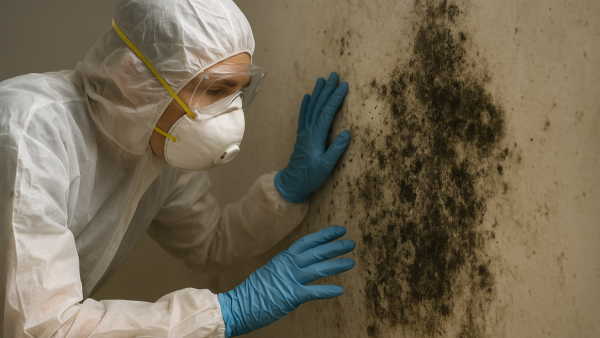
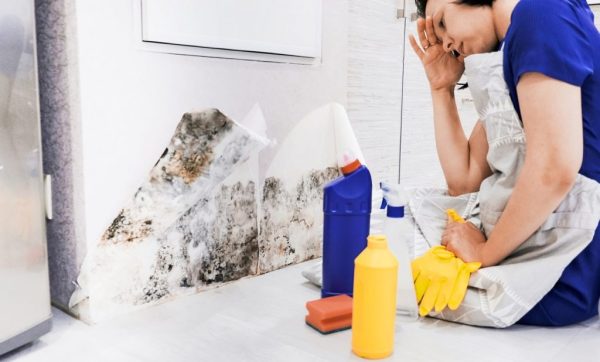
The first step in getting rid of mold is identifying where the mold is growing. Mold can grow anywhere there is moisture, so it’s important to check all areas of your home for mold growth. Some common places to find mold are in basements, attics, and bathrooms. Once you’ve identified where the mold is growing, you can begin the process of removing it.
Step 1: Protect Yourself First
Before you start cleaning, safety matters. Wear protective gear. This is especially important if you’re dealing with larger areas of mold.
Experts recommend wearing:
- Gloves
- Goggles
- A mask (like an N95)
This helps prevent breathing in mold spores or getting them on your skin.
Skip DIY cleanup if:
- You have asthma or respiratory issues
- The mold covers a large area (generally more than ~10 sq. ft.)
- It’s inside the walls or HVAC systems
Step 2: Fix the Moisture Problem
This is the step most people skip, and it’s why mold keeps coming back.
Mold will return unless you:
- Repair leaks
- Improve ventilation
- Lower indoor humidity
- Use fans or dehumidifiers
Simply cleaning mold without fixing the cause is only a temporary solution.
Step 3: Use the Right Cleaning Method
For small areas of mold, you don’t need anything fancy. You can use soap and water for small spots.
Best cleaning options:
Bleach
Bleach is one of the most common and effective ways to remove mold. To use bleach, mix one cup of bleach with one gallon of water. Once the mixture is mixed, apply it to an area with mold growth. This mixture will kill the mold and help to remove it from the surface. The Clorox company recommends wearing gloves and goggles when using this mixture, as it can be harmful to the skin and eyes.

- DISINFECTANT SPRAY: Use this Clorox Clean-Up Disinfectant Cleaner with Bleach Spray to clean and disinfect, killing 99% of bacteria and viruses, including cold and flu
- MULTI-SURFACE CLEANER: This all in one Clorox bleach spray cleans, disinfects and deodorizes surfaces in high traffic areas including commercial kitchens, restrooms and other business facilities
- BLEACH CLEANING SPRAY: Powerful all-purpose cleaner with bleach removes tough stains, grease and grime and eliminates odors caused by bacteria, mold and mildew
- KILL VIRUSES: This spray cleaner eliminates messes and germs; meets EPA criteria for use against SARS-CoV-2, the virus that causes COVID-19
- GREAT FOR COMMERCIAL USE: From CloroxPro , this disinfectant spray cleaner is ideal for use in offices, day care centers, restaurants, schools and other commercial facilities

Borax
Another common way to get rid of mold is with Borax. To use Borax, mix one teaspoon of Borax with one gallon of water. Once the mixture is mixed, apply it to an area with mold growth. Like bleach, this mixture will kill the mold and help to remove it from the surface.

- Boost Laundry Power Naturally: Put a kick in your clean by adding 20 MULE TEAM Borax Powder to your detergent. It helps your laundry detergent deep-clean fabrics, tackle stubborn stains and neutralize odors, leaving clothes cleaner, fresher, and brighter
- Multi-Room Cleaning: Spray onto a damp cloth or directly onto surfaces like walls, countertops, glass and vinyl tiles. Helps remove grease and grime from counters and appliances. Use to help remove soap scum, hard water deposits and dirt in bathrooms
- Deodorizes Laundry, Fabrics and More: Use this multi-purpose cleaner throughout your home to help deodorize and freshen the bathroom, mildew smells, refrigerators, and smelly shoes
- HE Compatible & Easy to Use: 20 MULE TEAM Borax Powder laundry booster is suitable for all washing machines. Just add 20 MULE TEAM Borax Powder to every load along with your regular detergent to help remove stains and help neutralize odors
- More Boxes, More Uses: This pack includes four 65 oz boxes of natural 20 MULE TEAM Borax Powder—great for laundry, cleaning tasks, preserving flowers, DIY crafting, and more! Keep a box in the laundry room or kitchen for quick access when you need it
Vinegar
Vinegar is a natural cleaner that can be used to remove mold as well. It’s an excellent mold killer and will also aid in the removal of mold from surfaces. Pour white vinegar onto a cloth and wipe an area with mold development to use it as a disinfectant. This should be done in a well-ventilated area, as the vinegar smell can be strong.

- Crystalino Essential Oil Infused Vinegar Gallon Bottle For Bulk Cleaning Application; Use Distilled Vinegar For Cleaning Purposes & Enjoy The Powerful Yet Soothing Cleaning Power Of Essential Oils
- Use Crystalino Cleaning Vinegar For Home, White Vinegar For Laundry, And Clean Out Stinky Bathrooms With Crystalino Lemon Vinegar
- The Essential Oil Blended With Vinigar Provides A Therapeutic Cleaning Experience. Use Our White Distilled Vinegar For Cleaning
- Crystalino Viniger is The Top Cleaning Vinegar Concentrate With Natural Essential Oils & Cruelty Free Ingredients; Food-Grade Vinagar
- Crystalino Vinagre Blanco Para Limpieza, Binegar, Vinagre Industrial Galon
Hydrogen peroxide
Another cleaner that can be used to remove mold is hydrogen peroxide. Hydrogen peroxide is a safe and effective way to kill mold, and it won’t harm your surfaces. All you need to do is pour some hydrogen peroxide onto a cloth and wipe an area with mold development to disinfect it.

- One 16-fluid ounce bottle of first aid antiseptic
- First aid to help prevent risk of infection from minor cuts, scrapes and burns
- Active ingredient: 3% hydrogen peroxide (stabilized)
- If you like Swan Hydrogen Peroxide, we invite you to try Amazon Basics 3% Hydrogen Peroxide First Aid Antiseptic
- Packaging may vary from images shown
Baking soda
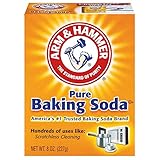
Baking soda is another natural product that can be used to remove mold from surfaces. To use baking soda, mix one cup of baking soda with one gallon of water. Once mixed, apply it to an area with mold growth. Like vinegar, this mixture will kill the mold and help to remove it from the surface.
Ammonia
Ammonia is a chemical that can be used to remove mold. To use ammonia, mix one cup of ammonia with one gallon of water. Once the mixture is mixed, apply it to an area with mold growth. This mixture will kill the mold and help to remove it from the surface. Be sure to wear gloves, goggles, and a mask when using this mixture, as it can be harmful to the skin, eyes, and lungs.

- Multipurpose cleaner for laundry and general household chores like cleaning kitchens, sinks, garbage disposals and trash cans
- Use full strength, wait a few minute and rinse with clear water
- Can be used on cement floors
- Best for cleaning kitchens, sinks, garbage disposals, and trash cans
- Use full strength, wait a few minutes, and rinse with clear water
Tea tree oil
Tea tree oil is an essential oil that can be used to remove mold. To use tea tree oil, mix one cup of water with three drops of tea tree oil. Once the mixture is mixed, apply it to an area with mold growth. This mixture will kill the mold and help to remove it from the surface.
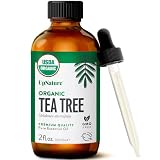
- Tea tree oil for hair & skin – UpNature organic tea tree oil is 100% pure and steam-distilled from melaleuca alternifolia leaves. Ideal for hair and scalp care, this tea tree oil helps nourish dry scalp and supports strong hair.
- Soothing scalp & hair care – Add a few drops to your shampoo or conditioner to help refresh your scalp and promote soft, strong hair. This organic tea tree oil can also be diluted with a carrier oil for a massage scalp.
- Nourishes skin & nails – Helps support smooth skin when added to a facial cleanser or diluted with a carrier oil. Can also be applied to nails and cuticles for added moisture and care.
- Multipurpose & easy to use – Blend with carrier oils like jojoba, coconut, or sweet almond for customized skin and hair care. Can also be used in DIY beauty recipes for a refreshing, natural boost.
- Safety precaution – For external use only. Dilute with a carrier oil before applying to skin. Perform a patch test by applying a small amount to clean skin on the inside of your elbow or wrist. If irritation occurs, discontinue use.
Each of these substances will kill mold and help to prevent it from coming back. Just be sure that you’re using them safely and following the instructions on the label. Scrub the surface thoroughly and dry it immediately afterward.
⚠️ Important:
- Never mix bleach with ammonia or other cleaners
- Always ventilate the area
Step 4: Remove Porous Materials
Some items can’t be fully cleaned once mold gets inside them.
You may need to throw out:
- Carpet
- Drywall
- Ceiling tiles
- Insulation
If it can’t be completely dried within 24–48 hours, it should be removed.
Step 5: Dry Everything Completely
Drying is just as important as cleaning.
- Open windows and doors
- Use fans and dehumidifiers
- Wipe down surfaces thoroughly
Mold thrives in damp environments, so drying fast is key to stopping regrowth.
Step 6: Don’t Just Cover Mold
Painting or caulking over mold doesn’t solve the problem.
It may look better temporarily, but the mold will continue growing underneath and eventually come back.
Always remove mold completely before repainting or sealing surfaces.
When to Call a Professional
DIY works for small issues, but larger problems need expert help.
Consider calling a pro if:
- Mold is widespread
- It’s caused by flooding
- It’s inside the walls or ductwork
- You keep seeing it come back
Professionals have the equipment to remove mold safely and prevent it from spreading.
How to Prevent Mold from Coming Back
Once it’s gone, keep it gone with these habits:
- Keep humidity below 50%
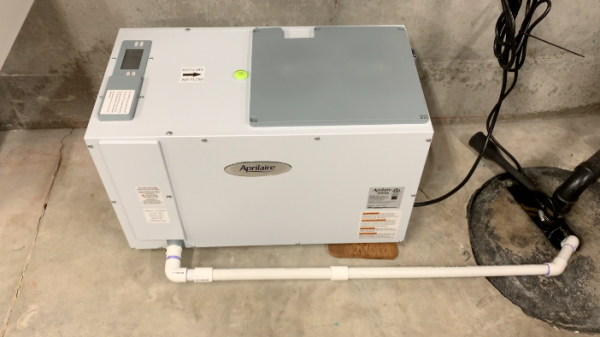
- Use a dehumidifier in rooms that tend to be damp, specifically basements and bathrooms
- Use exhaust fans in bathrooms and kitchens
- Fix leaks immediately
- Dry wet areas quickly
- Avoid carpet in damp spaces
- Make sure vents in your home are clear of debris
- Don’t store firewood inside your home
Mold prevention always comes down to controlling moisture. Keep humidity low. For example, using a dehumidifier can make a big difference.

- Dehumidifier
Common Types Of Mold
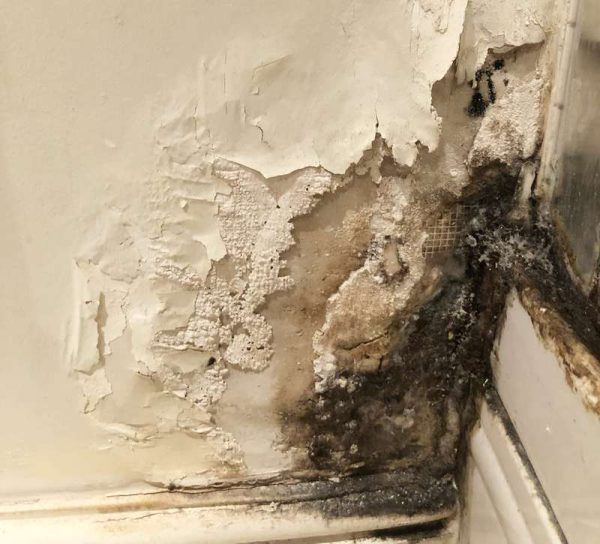
- Trichoderma – A fast-growing mold often found in damp areas like wet drywall or carpeting. It’s usually white or green and can indicate ongoing moisture problems.
- Cladosporium – One of the most common indoor and outdoor molds. It can grow on fabrics, wood, and HVAC systems, often appearing as green, brown, or black spots.
- Alternaria – Frequently found in bathrooms and around sinks or showers. It thrives in damp environments and is a common trigger for allergies.
- Aureobasidium – Typically found on painted surfaces, wood, and window frames. It starts off pink or brown and can darken over time.
- Chaetomium – Often appears after water damage, especially in drywall or ceilings. It has a musty odor and can signal long-term moisture issues.
- Fusarium – A mold that can grow in colder, damp environments. It spreads quickly and is often found on water-damaged carpets, fabrics, and food.
- Mucor – Common in HVAC systems, ductwork, and damp basements. It grows rapidly and forms thick, fuzzy patches.
- Penicillium – Recognizable by its blue or green color, this mold spreads easily through the air and is often found on water-damaged materials and insulation.
- Stachybotrys – Often referred to as “black mold,” this type grows on materials with high cellulose content (like drywall) in very damp conditions.
- Ulocladium – Typically found in areas with severe water damage, such as basements, bathrooms, and kitchens. It often appears black and thrives in high-moisture environments.
Getting rid of mold isn’t just about cleaning; it’s about solving the root problem. By following these tips, you can prevent mold from growing in your home again.
With the right approach, most small mold issues can be handled safely at home.
But if the problem is bigger or keeps returning, it’s worth bringing in a professional to protect your home and your health.

- ALL PURPOSE CLEANING SPRAY: Lysol spray can be used as a kitchen cleaner, stovetop cleaner, tile cleaner, sink cleaner, bathtub cleaner, wall cleaner, and more
- KILLS 99.9% OF GERMS FOR A DEEP CLEAN: This disinfectant spray kills 99.9% of germs, removes soap scum and cuts through tough grease and grime — a versatile, multipurpose cleaner you can count on
- MULTI SURFACE CLEANER: This cleaning spray can be used on hard, non-porous surfaces throughout your household including counters, sinks, stovetops², cabinets, appliance exteriors, high chairs, bathtubs and showers
- 0% BLEACH: Lysol multipurpose cleaner spray provides powerful cleaning and disinfecting without the harshness of bleach
- CONVENIENT LYSOL SPRAY: This all purpose cleaner has fast-acting sanitization, so you can kill 99.9% of bacteria in a flash

- CLEANS AND DISINFECTS: Use the only toilet bowl cleaning solution with Clorox bleach to kill 99.9% of germs (2) brighten and whiten your bowl and leave a refreshing Ocean Mist scent
- THICK CLINGING GEL: With a wide dispensing bottle and a powerful clinging gel formula, this disposable toilet cleaning system coats the bowl and rinses away for a refreshing clean
- REMOVES STAINS: The thick coating formula in this Clorox cleaner dissolves stains for deep down cleaning, targeting unsightly toilet rings as well as mold and mildew stains
- DEODORIZING CLEAN: Add this to your bathroom cleaning caddy to help keep your toilet bowl clean, clear and free of odor with a non abrasive bleach formula that kills odor causing bacteria and even prevents odors
- 3X CLEANING ACTION: Add ToiletWand Toilet Bowl Cleaner Clinging Bleach Gel to your cleaning supplies for a sparkling clean with that destroys stains, deodorizes and clings 50% longer (1); packaging may vary

- ALL PURPOSE CLEANER KILLS 99.9% OF VIRUSES and BACTERIA: Lysol All Purpose disinfectant spray kills 99.9% of viruses and bacteria including the COVID-19 virus to help keep your family protected
- KILLS 99.9% OF GERMS FOR A DEEP CLEAN: This disinfectant spray kills 99.9% of germs, removes soap scum and cuts through tough grease and grime — a versatile, multipurpose cleaner you can count on
- MULTI SURFACE CLEANER and DEGREASER: This cleaning spray can be used on hard, non-porous surfaces throughout your household including counters, sinks, stovetops, cabinets, appliance exteriors, high chairs, bathtubs and showers
- 0% BLEACH: Lysol multipurpose cleaner spray provides powerful cleaning and disinfecting without the harshness of bleach
- CONVENIENT LYSOL SPRAY: This all purpose cleaner has fast-acting sanitization, so you can kill 99.9% of bacteria in a flash