

This post may contain affiliate links. Please see my disclosure policy for more information.
Beneficial Garden Bugs and How to Attract Them Naturally
Not all bugs in the garden are something to worry about; in fact, many of them are hard at work helping your plants thrive. Beneficial garden insects play an important role in maintaining a healthy, balanced ecosystem by preying on harmful pests, pollinating flowers, and even improving soil health. Instead of reaching for chemical solutions, encouraging these helpful bugs can be a natural and effective way to protect your garden.
By learning to recognize and support beneficial insects, you can create a space where your plants flourish with less effort. From lady beetles that feed on aphids to pollinators that boost your harvest, these tiny allies make a big impact. With a few simple changes, like planting diverse flowers or avoiding harsh pesticides, you can invite these helpful visitors into your garden and let nature do much of the work for you.
Ladybugs
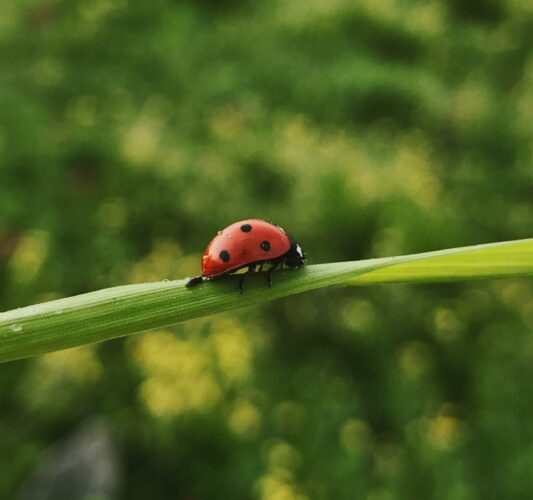
One of the most beneficial insects for your garden are ladybugs. Ladybugs are voracious predators of aphids and other small, soft-bodied insects that can wreak havoc on your plants. A single ladybug can eat as many as 5,000 aphids in its lifetime! In addition to controlling pests, ladybugs also help to pollinate plants. As they feed on pollen and nectar, they transfer pollen from one flower to another, helping to fertilize the plants. Ladybugs are also a valuable food source for birds, bats, and other predators. By providing food for these animals, ladybugs help to support the entire ecosystem. As a result, these tiny insects play a big role in keeping your garden healthy and thriving. Most garden centers sell live ladybugs to the public.
Praying Mantis
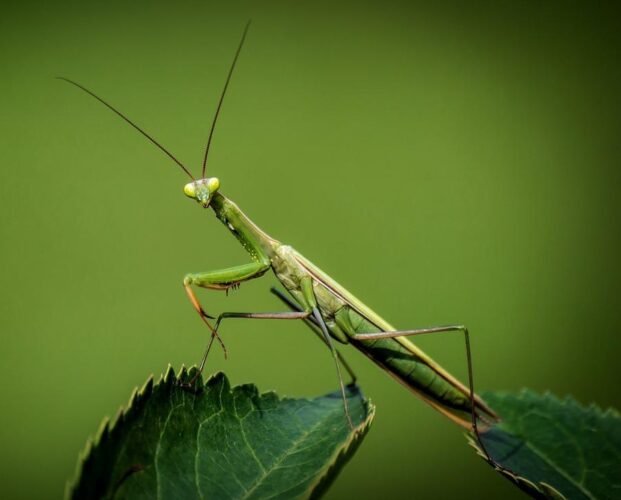
A praying mantis can be a beneficial addition to your garden as they are known to eat many different types of pests. Some of the pests that a mantis will consume are flies, crickets, grasshoppers, caterpillars, and even some small lizards or snakes. In addition to being voracious predators, praying mantises are also interesting in their appearance and behavior. These insects have elongated bodies and segmented legs, which allow them to move quickly and strike with precision. They are typically green or brown in coloration, providing excellent camouflage amongst the foliage of gardens and forests. When prey is spotted, a mantis will remain still until it is within range, at which point it will strike with lightning speed. If you are looking for an efficient way to control pests in your garden, consider adding a praying mantis or two. Not only will they help to keep the population of harmful insects in check, but they will also provide you with hours of entertainment.
Green Lacewings
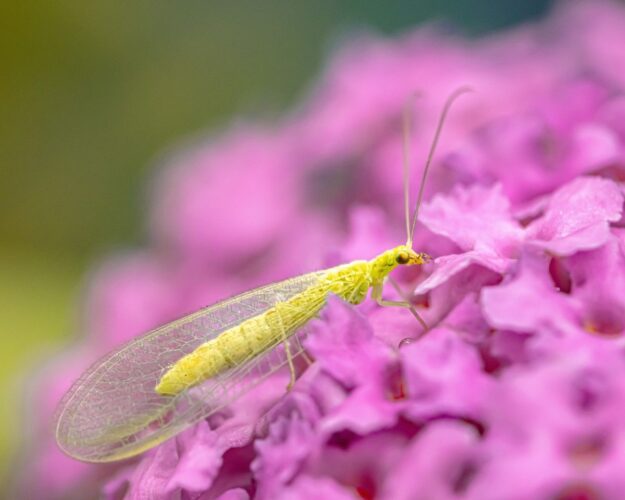
Green lacewings are often called “aphid lions” because their larvae consume huge numbers of aphids, whiteflies, mealybugs, and other soft-bodied garden pests. Adult lacewings feed primarily on nectar and pollen, making them helpful pollinators as well. These delicate green insects are attracted to gardens filled with flowering herbs such as dill, fennel, and cilantro. Encouraging lacewings in your garden can provide natural pest control throughout the growing season.
Ground Beetles
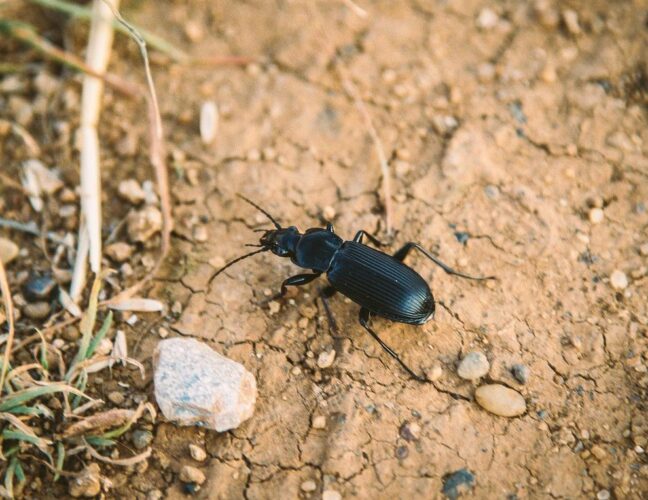
Ground beetles are a vital part of any thriving garden ecosystem. These hardworking insects burrow through the soil, break up compacted soil, and bring nutrients to the surface. As a result, they help to improve soil quality and make it hospitable for plant growth. In addition, ground beetles act as natural predators for many common garden pests. They feed on destructive insects like aphids and grubs, reducing their numbers and protecting important crops from damage. So if you want your garden to flourish, be sure to let the ground beetles do their work! With their tireless activity and powerful pest-fighting skills, these little field warriors are essential for a healthy garden. Whether you’re trying to grow fruits and vegetables or just enjoy some beautiful landscaping, ground beetles can help you achieve your gardening goals. With a little bit of TLC, they will do wonders for your green space!
Hoverflies
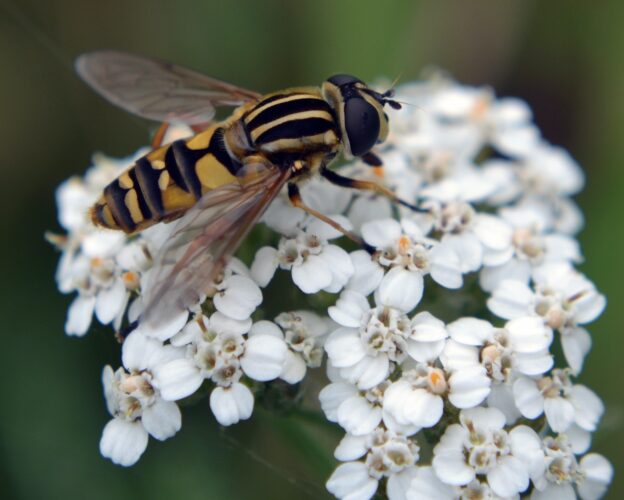
Hoverflies, often mistaken for bees, are actually beneficial predators that feast on common garden pests like aphids and thrips. While adults primarily eat nectar and pollen, the larvae are voracious eaters of soft-bodied insects. In addition to providing valuable pest control, hoverflies are important pollinators of both fruits and vegetables. The adult flies are attracted to brightly colored flowers, and their bodies are covered in tiny hairs that help to transfer pollen from one plant to another. As a result, hoverflies play a vital role in the health of both gardens and ecosystems.
Parasitic Wasps
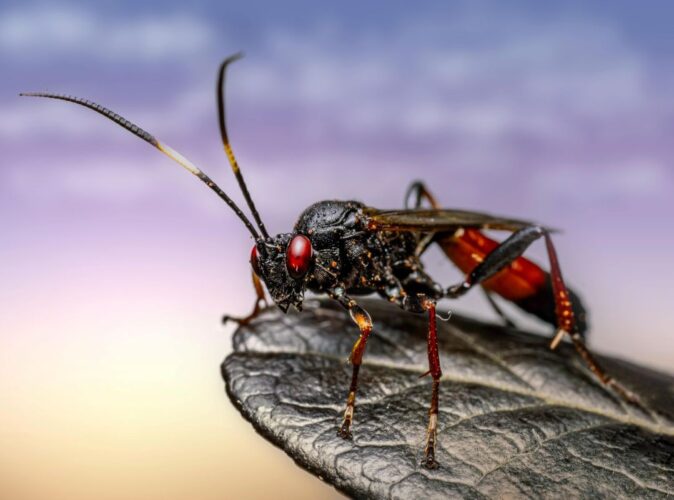
Parasitic wasps are one of the most helpful and most overlooked garden allies. These tiny, non-aggressive wasps don’t bother people but are incredibly effective at controlling pests. They lay their eggs inside or on harmful insects like aphids, caterpillars, and tomato hornworms, stopping infestations before they get out of hand. Having these insects in your garden can significantly reduce the need for chemical pest control.
Spiders
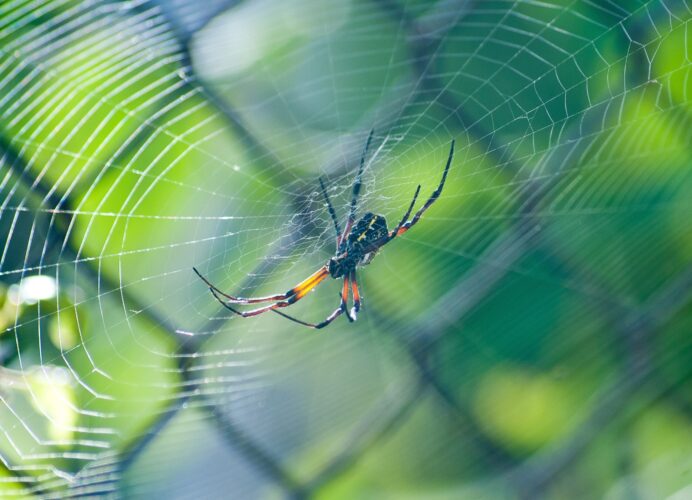
Spiders are often associated with fear and revulsion, but they actually play a crucial role in many healthy gardens. Firstly, they serve as natural predators, feeding on pests such as insects and other small invertebrates. They also help to keep populations of harmful bugs in check by consuming them before they can do any damage. Additionally, spiders are thought to play an essential role in pollination, as many of their prey are insect pollinators. Finally, spiders provide homes for beneficial microorganisms that help break down dead plants and animals, releasing nutrients back into the soil. In short, spiders may seem creepy at first glance, but they are an important part of a thriving garden ecosystem.
Soldier Beetles
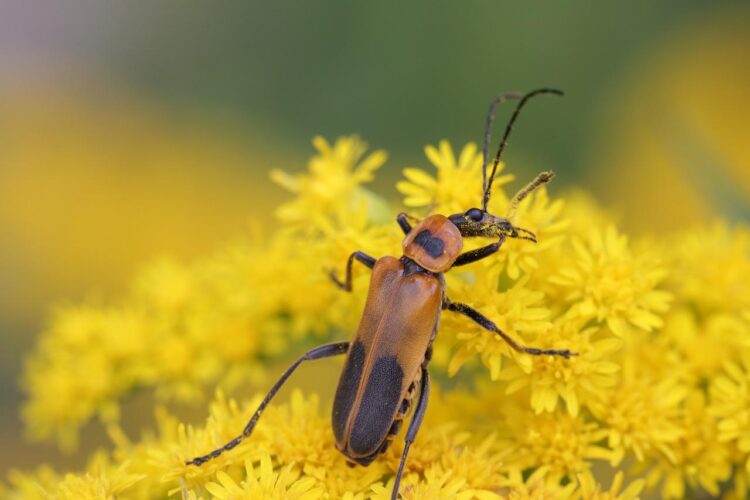
Soldier beetles are a type of predatory beetle that feeds on a variety of soft-bodied garden pests, including aphids, caterpillars, and grasshoppers. While they will occasionally feed on flower petals, they typically do not cause any significant damage to plants. Soldier beetles are yellow or orange in color and have long black markings on their wings. They are often found near gardens or fields where they can find an abundance of food. In addition to being beneficial predators, soldier beetles also help to pollinate flowers. Their larvae are also active predators, making them doubly effective at controlling garden pests. Given their many benefits, it is no wonder that soldier beetles are one of the most popular beneficial insects among gardeners.
Bees
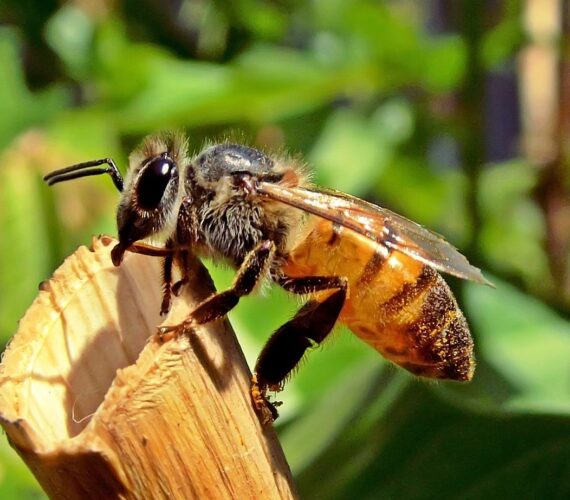
Bees are some of the most important beneficial insects you can have in your garden, playing a vital role as pollinators. As they move from flower to flower collecting nectar and pollen, they help fertilize plants, which leads to better fruit, vegetable, and seed production. Without bees, many common garden crops like tomatoes, cucumbers, and berries would struggle to produce. In addition to boosting your harvest, bees also support the overall health of your garden by encouraging strong plant growth and biodiversity. Planting a variety of flowering plants and avoiding pesticides can help attract and protect these essential garden helpers.
Frequently Asked Questions About Beneficial Garden Bugs
What is the most beneficial bug for a vegetable garden?
Ladybugs, lacewings, and parasitic wasps are among the most beneficial insects because they help control common garden pests naturally.
Should I buy ladybugs for my garden?
Purchased ladybugs can help temporarily, but creating a habitat that naturally attracts beneficial insects is often more effective long-term.
What flowers attract beneficial insects?
Dill, fennel, yarrow, cosmos, marigolds, zinnias, lavender, and bee balm are all excellent choices.
Do beneficial insects eliminate all garden pests?
No. Beneficial insects help keep pest populations under control, but they usually don’t completely eliminate them.
How to Attract Beneficial Garden Bugs
Creating a garden that welcomes beneficial insects is easier than you might think. A few simple changes can encourage these helpful creatures to stay and work in your garden.
- Plant a variety of flowering plants that bloom throughout the season.
- Grow herbs such as dill, fennel, cilantro, and parsley.
- Avoid broad-spectrum pesticides whenever possible.
- Leave some mulch and leaf litter to provide shelter.
- Provide a shallow water source with stones for insects to land on.
- Include native plants that support local pollinators and predators.
The more diverse your garden is, the more likely it is to attract beneficial insects that help control pests naturally.
Encouraging beneficial garden bugs is one of the easiest ways to create a healthier, more productive garden. From ladybugs and lacewings that help control aphids to bees and hoverflies that pollinate flowers, these hardworking insects provide valuable services that reduce the need for chemical pesticides. By planting a variety of flowers, providing shelter, and avoiding harmful chemicals, you can attract a diverse population of beneficial insects and enjoy a thriving garden all season long.

- Slow release sachets consist of eggs and are used mainly for prevention.
- Safe to use around humans and pets!
- A great generalist with a fast reproduction rate.
- Natural enemies to: Two-Spotted Spider Mites, Russet Hemp Mites, Broad Mites, Tarsonemid Mites (Strawberry Mites), Onion Thrips, Western Flower Thrips, Eastern Flower Thrips and Whiteflies.

- For Best Control Release Fly Exterminators Monthly during warm months, ideally every month
- Harmless to humans, pets, birds, beneficial insects
- Once the fly parasites hatch the pupae do not at all change in appearance. You will have a very hard time seeing the parasites as they are extremely small (they look like tiny ants), fly inches off the ground and are nocturnal so you will not see them during the day.
- Release 1,000 per large animal
- They can take up to 7-14 days to hatch depending on the temperature and a few more weeks after that to start noticing a reduction in your fly population. The warmer the temperatures the faster they will hatch. The colder the temperatures, the slower they will hatch.

- Includes a Ladybug educational sheet with Release Tips, Release Rates, Ladybug Fun Facts and FAQ's
- Can be used indoors and outdoors!
- Ladybugs are general predators that feed on many slow-moving insects including; Aphids, Moth eggs, Mites, Scales, Thrips, Leaf Hoppers, Mealybugs, Chinch Bugs, Asparagus Beetle larvae, Whitefly and others.
- Ladybugs are good bugs, great for kids, birthday parties, school projects!
- Nature's Good Guys mesh bag of Live adult ladybugs

- 300 Live Ladybugs, Pre Fed!!
- 300 ladybugs covers aprox. a small yard or a birthday party
- Ladybugs are general predators that feed on a variety of slow-moving insects including Aphids, Moth eggs, Mites, Scales, Thrips, Leaf Hoppers, Mealybugs, Chinch Bugs, Asparagus Beetle larvae, Whitefly and others
- Nature's Good Guys mesh bag of Live adult ladybugs