

This post may contain affiliate links. Please see my disclosure policy for more information.
Best Low-Carb Potato Substitutes
Potatoes are one of the most versatile vegetables in the kitchen. They’re perfect for mashed potatoes, fries, soups, casseroles, and countless comfort food recipes. Unfortunately, they’re also relatively high in carbohydrates, making them difficult to fit into low-carb, keto, or other health-related meal plans such as Kidney Disease or Diabetes.
The good news is that you don’t have to give up your favorite potato dishes. Plenty of vegetables offer similar textures while containing far fewer carbohydrates. Whether you’re making mashed “potatoes,” roasted vegetables, fries, or hearty soups, these low-carb potato substitutes can help satisfy your cravings without the extra carbs.
Cauliflower
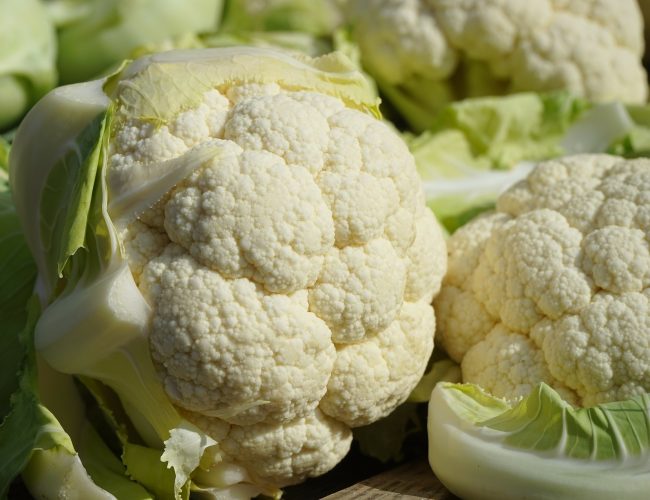 Cauliflower is easily the most popular low-carb potato substitute—and for good reason. It has a mild flavor that easily absorbs seasonings and becomes soft and creamy when cooked.
Steam or boil cauliflower until tender, then mash it with butter, garlic, cream cheese, sour cream, or heavy cream for a side dish that’s remarkably similar to mashed potatoes. It also roasts beautifully and can even replace potatoes in casseroles.
Besides being low in carbs, cauliflower is an excellent source of fiber, vitamin C, vitamin K, folate, and antioxidants.
Best for:
- Mashed potatoes
- Roasted potatoes
- Potato casseroles
- Shepherd’s pie topping

- SHORT SEASON HARVEST - Snowball is a dependable heirloom cauliflower variety that forms compact firm white heads quickly; ideal for gardeners seeking reliable spring and fall harvests
- COLD TOLERANT PERFORMANCE - Snowball White cauliflower thrives in cool weather and withstands light frost; an excellent choice for early spring planting or extending production into fall
- CLASSIC WHITE GARDEN VEGETABLE - Snowball White Cauliflower (Brassica oleracea) produces smooth dense curds with mild flavor and tender texture; perfect for fresh eating, roasting ,and freezing
- EASY FOR HOME GROWERS - High germination seeds produce compact plants that fit well in raised beds, rows, and larger containers; consistent growth habit supports strong yields for beginners and experienced gardeners alike
- FAMILY OWNED USA SMALL BUSINESS – Heirloom non-GMO seeds from Survival Garden Seeds, a trusted American brand; always open-pollinated, untreated, and quality tested for garden success
Celeriac (Celery Root)
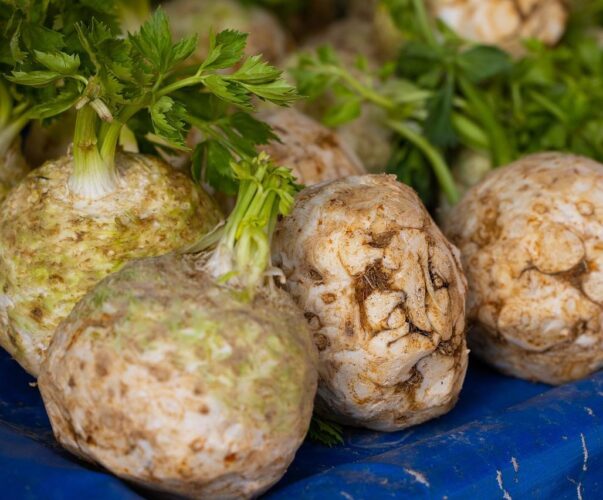
Don’t let its rough appearance fool you, celeriac is one of the best potato alternatives available.
It has a subtle celery flavor that becomes milder after cooking. Boiled celeriac creates a creamy mash, while roasted cubes develop a slightly nutty flavor.
It’s also a good source of vitamin C, vitamin K, phosphorus, and fiber.
Best for:
- Mashed potatoes
- Roasted vegetables
- Soups
- Gratin

- Planting Depth: DO NOT COVER! Keep moist, not letting the seeds dry out between watering. **SOIL Temperature for Germination: 65-70F.
- Sow indoors in February to April, (8 to 10 weeks before last spring frosts). If you live in a warm climate then the seed can be sown directly into the soil in early May. Sow 1/8" deep into moist well-drained seed compost. Ideal soil temp. 60-70 F. Celeriac are slow to germinate and slow to get growing.
- Once germination occurs transplant seedlings with 2 in (5cm) spacing. Grow on in cooler, but not cold conditions. Celeriac grows best in cool weather, especially where nights are cool. Grow celeriac in spring in cold-winter regions; in warm-winter regions grow celeriac beginning in late summer so that it matures in cool weather.
- Celeriac requires up to 120 days to reach harvest. A late summer crop can be sown directly in the garden where there is enough time for a second harvest.
Daikon Radish
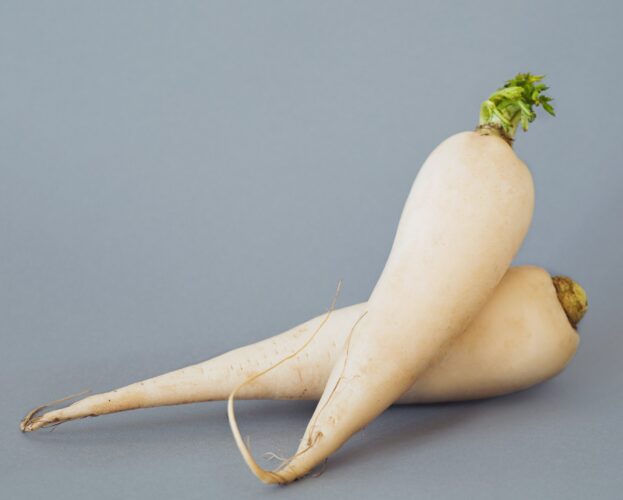
Daikon is a large white radish that’s surprisingly versatile. Once cooked, its sharp flavor disappears and it develops a mild taste with a texture similar to cooked potatoes.
Roasted daikon becomes tender and slightly creamy, making it an excellent addition to soups, stews, pot roasts, and sheet pan dinners.
Because it’s extremely low in carbohydrates, daikon is especially popular among keto dieters.
Best for:
- Soups
- Stews
- Pot roast
- Roasted vegetables

- Fast Cool-Season Harvest: Daikon Minowase radish seeds mature in just 40-50 days. Long white roots reach up to 24 inches, delivering crisp texture and mild flavor for fresh use or cooking.
- Powerful Soil Improver: These daikon seeds act as a natural bio-drilling cover crop, breaking compacted soil and improving water flow. It makes them ideal garden seeds for home garden and cover crop planting.
- Easy Outdoor Planting: Sow radish seeds for planting outdoors at 1/4 inch deep in vegetable garden. Seeds germination occurs in 3-6 days at 50-75°F. Thin seedlings to 4-6 inches for straight, uniform roots.
- Heirloom Non-GMO Seed Variety: Open-pollinated daikon minowase heirloom seeds produce reliable crops year after year. Frost hardy plants of raddish seed thrive in Hardiness Zones 2-11 with full sun exposure.
- Culinary & Farm Use: White radish roots are excellent raw, pickled, or dried. The crisp flesh is mildly sweet, excellent for salads, Radish tops and roots also serve as nutritious forage for livestock and poultry.
Jicama
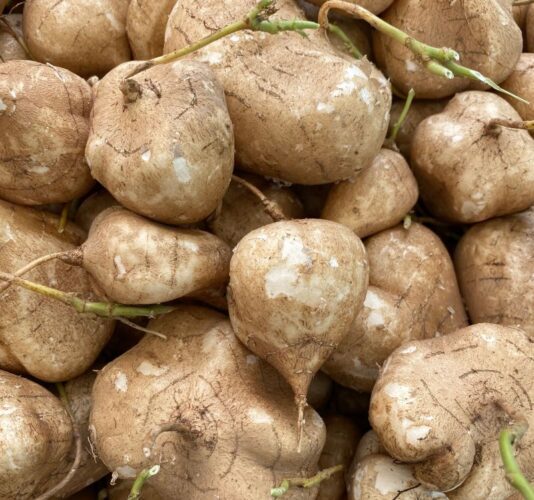
Jicama has a crisp texture when raw but softens nicely when cooked. It has a slightly sweet, refreshing flavor and works especially well as a substitute for home fries or baked fries.
Because it doesn’t become as fluffy as potatoes, it’s best used in recipes where a firmer texture is desirable.
Jicama is also high in fiber and vitamin C.
Best for:
- Fries
- Home fries
- Hash browns
- Snacks

- SEEDS ONLY, no live plants.The photos show are the mature plant in the future, not the actual plant you will receive.
Kohlrabi
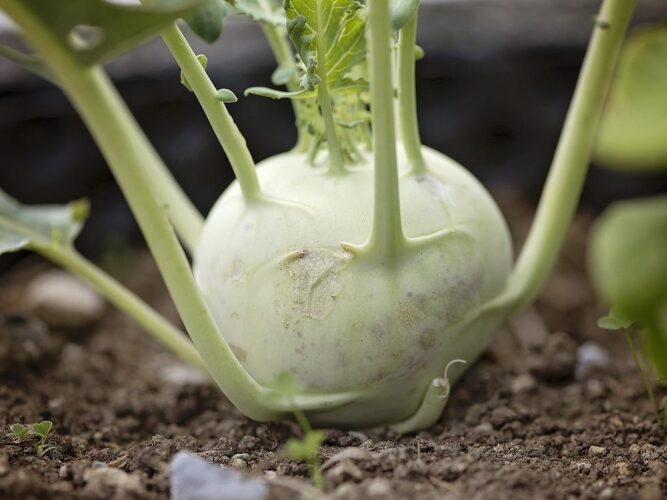
Kohlrabi is a member of the cabbage family with a mild, sweet flavor that’s somewhere between broccoli stems and cabbage.
When roasted or mashed, it develops a texture that’s surprisingly similar to potatoes. It can also be sliced into fries or diced into soups.
Kohlrabi provides plenty of vitamin C, potassium, and fiber while staying relatively low in carbohydrates.
Best for:
- Roasted potatoes
- Fries
- Mash
- Soups

- QUALITY - All seeds packaged by Seed Needs are intended for the current and the following growing seasons. All seeds are stored in a temperature controlled facility that is free of significant amounts of moisture.
- QUANTITY - Seed packets by Seed Needs offer generous quantities. You can share with friends and family, or save your extra seeds until the next season, if properly stored.
- PACKETS - Each packet displays a beautiful illustration of the variety to be grown, as well as detailed seed sowing information on the reverse side as well. Measures 3.25” wide by 4.25” tall.
- PLANTS - This is a vegetable plant that grows to a mature height of roughly 8 to 10 inches tall.
- GERMINATION - Seed Needs packets contain some of the freshest seed available. Direct from the growers. If sown correctly, you will begin seeing results in only a matter of days.
Radishes
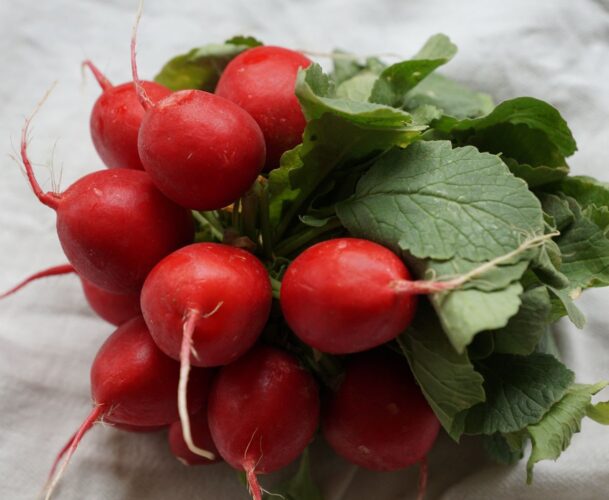
Regular red radishes may surprise you. While they’re peppery when raw, roasting transforms them into a mild, tender vegetable that resembles small roasted potatoes.
They’re incredibly low in carbohydrates and cook quickly, making them a favorite for keto sheet pan dinners.
Try tossing them with olive oil, garlic, rosemary, and Parmesan cheese before roasting.
Best for:
- Roasted potatoes
- Sheet pan meals
- Soups or Stews

- 500+ non-GMO heirloom Cherry Belle radish seeds: These seeds are grown from heirloom Cherry Belle radishes, which are known for their crisp, sweet flavor and fast growing qualities. They are also non-GMO, so you can be sure that you are planting seeds that are safe for your family and the environment.
- Fast growing and round red radishes: Cherry Belle radishes are known for their fast growing speed. They can be harvested in as little as 20 days, making them a great choice for gardeners who want to enjoy fresh radishes in no time. Cherry Belle radishes are also round and red in color, which makes them visually appealing and a great addition to salads, sandwiches, and other dishes.
- Great for salads, sandwiches, and more: Cherry Belle radishes are a versatile vegetable that can be enjoyed in a variety of ways. They are a great addition to salads, sandwiches, and other dishes. They can also be eaten raw, cooked, or pickled.
- Easy to grow and care for: Cherry Belle radishes are easy to grow and care for, making them a great choice for beginner gardeners. They prefer full sun to partial shade and well-drained soil. They should be watered regularly, but not too much.
- A delicious and healthy addition to your diet: Cherry Belle radishes are a delicious and healthy addition to your diet. They are a good source of vitamins A and C, as well as fiber. They are also low in calories and fat.
Rutabaga (Swede)
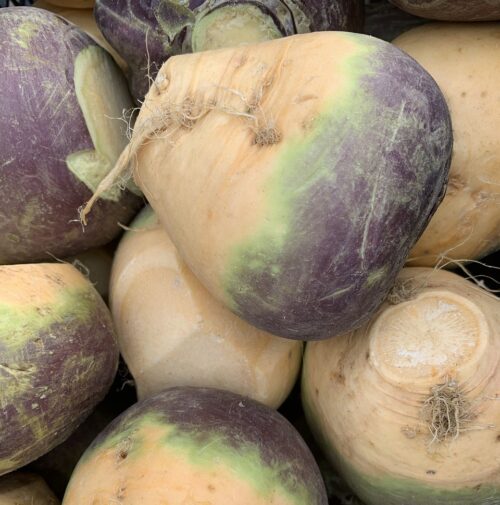
Rutabaga has long been a favorite substitute for potatoes because of its creamy texture and naturally sweet, earthy flavor.
It works especially well mashed with butter, roasted until caramelized, or diced into casseroles and soups.
Although it contains more carbohydrates than some other vegetables on this list, it still has significantly fewer carbs than regular potatoes.
Best for:
- Mashed potatoes
- Roasted vegetables
- Casseroles
- Soups
- Heirloom Root Crop: Laurentian rutabaga seeds produce smooth, uniform roots 5-6 in. wide and up to 1 lb. A classic brassica seed for home garden planting, with deep purple tops and creamy yellow flesh.
- Reliable Harvest Timing: Laurentian rutabaga reaches maturity in about 95 days and germinates in 5-17 days. These rutabaga seeds heirloom growers value are suited to all USDA zones when grown as an annual root vegetables seeds.
- Sweet Kitchen Versatility: Rutabaga fresh can be roasted, boiled and mashed, fried, added to soups, or sliced fresh into salads. A flavorful root garden seeds rutabagas fresh with fiber plus vitamins C and E, potassium, calcium, and magnesium.
- Easy Sowing Choice: This yellow turnip seeds for planting perform best in loose, well-draining soil for germination. Plant heirloom seeds 1/2"deep, sow 2 " apart; rows should be spaced 1-2 ft. apart.
- Cool Season Performance: Rutabaga seeds for planting thrive in cool weather and tolerate light frost, which improves flavor. Direct sow brassica seeds in spring or early-mid summer for fall harvests in full sun or partial shade.
Turnips
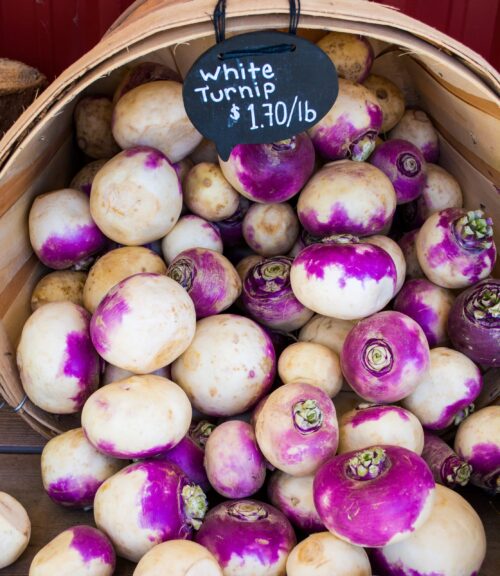
Turnips make an excellent substitute when you’re craving roasted potatoes. While they have a slightly peppery flavor when raw, cooking mellows their taste into something mildly sweet and earthy.
They’re delicious roasted with olive oil, garlic, and herbs or boiled and mashed with butter. Turnips also hold their shape well in soups and stews.
Rich in vitamin C, potassium, and fiber, turnips are a nutritious addition to any low-carb meal.
Best for:
- Roasted potatoes
- Mashed potatoes
- Soups
- Stews

- Purple Top White Globe Turnip (Brassica rapa) - classic pre-1880 heirloom with a bold purple crown, white globe root 3-4" diameter, and mild sweet flavor; roots and tender greens both edible.
- Dual-Use Root and Greens Harvest: 1,000 seeds can produce 150-525 LBS of roots under good conditions; greens are harvestable throughout the season for salads, sautees, and soups. Based on 1,000 seeds x 20-70% survival x 0.75 lbs avg per plant.
- Direct Sow Only: Turnips do not transplant - always direct sow 1/4-1/2" deep when air temps stay between 40-85°F; thin to 4-6" apart. Sprouts in 3-14 days; keep soil evenly moist for even germination.
- Full to Partial Sun; 4-6" spacing; plant height 18-24"; grows best at 60-75°F, active range 35-85°F; thin early for large roots; harvest at 3-4" diameter before heat sets in; USDA Zones 3-12.
- Waterproof Packet: protects seeds from humidity; Non-GMO; packed with care in the USA; includes seeds (not live plants).
Zucchini
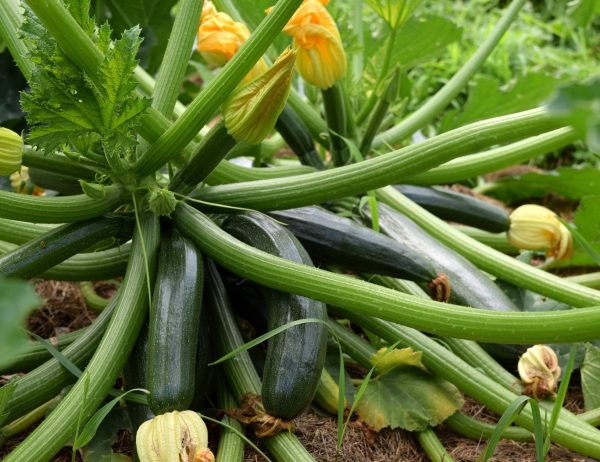
Although zucchini doesn’t have the same starchy texture as potatoes, it’s incredibly versatile and naturally low in carbohydrates.
Slice zucchini into fry shapes, coat lightly with Parmesan cheese and seasonings, then bake or air fry for crispy zucchini fries. It also works well in casseroles, hashes, and baked dishes.
Zucchini is rich in vitamins A and C, potassium, and antioxidants while remaining very low in calories.
Best for:
- Fries
- Casseroles
- Hashes
- Bakes
- Low-carb zucchini pizza crust
Tips for Cooking Low-Carb Potato Substitutes
Getting the best results often comes down to preparation. Here are a few tips:
- Roast vegetables at a high temperature (400–425°F) to encourage browning and caramelization.
- Pat vegetables dry before roasting to remove excess moisture.
- Season generously with garlic, onion powder, paprika, rosemary, thyme, or Parmesan cheese.
- Add butter or cream when mashing vegetables for a richer, more potato-like texture.
- Air frying works especially well for radishes, turnips, zucchini, and kohlrabi.
Switching to low-carb potato substitutes doesn’t mean giving up your favorite comfort foods. Vegetables like cauliflower, turnips, daikon radish, kohlrabi, and rutabaga can recreate many of the same textures and flavors while dramatically reducing the carbohydrate content of your meals.
Whether you’re following a keto diet, managing your blood sugar, or simply trying to eat more vegetables, these alternatives make it easy to enjoy everything from creamy mashed “potatoes” to crispy fries and hearty soups.
Try a few different options to see which ones become your new favorites—you may find you don’t miss regular potatoes at all.
Quick Comparison
| Vegetable | Approximate Net Carbs (per 1 cup) | Best Uses |
|---|---|---|
| Cauliflower | 3g | Mashed, roasted, casseroles |
| Turnips | 6g | Roasted, mashed, soups |
| Celeriac (Celery Root) | 9g | Mash, fries, soups |
| Zucchini | 3g | Fries, casseroles, bakes |
| Daikon Radish | 2g | Roasted, soups, stews |
| Kohlrabi | 5g | Mash, roasting, fries |
| Rutabaga | 9g | Mash, roasting, casseroles |
| Radishes | 2g | Roasted, soups |
| Jicama | 5g | Fries, hash browns, raw snacks |
Frequently Asked Questions
What is the closest low-carb substitute for potatoes?
Cauliflower is generally considered the closest substitute because of its mild flavor and creamy texture when mashed. For roasted potatoes, turnips, radishes, and rutabaga are excellent alternatives.
Are potatoes keto-friendly?
No. Most potatoes are too high in carbohydrates to fit into a ketogenic diet. A medium potato contains around 30 to 35 grams of net carbs, which can exceed an entire day’s carb allowance on keto.
Which potato substitute tastes the most like potatoes?
Turnips, rutabagas, celeriac, and roasted radishes are often considered the closest in flavor and texture, especially when seasoned with butter, garlic, and herbs.
Can I make low-carb mashed potatoes?
Yes. Cauliflower is the most popular choice, but celeriac, turnips, and rutabaga can also be mashed into delicious low-carb alternatives.
What is the lowest-carb potato substitute?
Daikon radish and regular red radishes are among the lowest-carb options, containing only about 2 grams of net carbs per cup while still working well in roasted dishes and soups.
- WHAT'S INSIDE: 12 ounces of frozen riced cauliflower
- WHY YOU'LL LOVE IT: This cauliflower is picked at the peak of freshness and quick-frozen to preserve flavor. Contains no artificial preservatives or flavors.
- HIGH QUALITY, LOW PRICES: Amazon Fresh brand products are all about high-quality food that fits every budget, every day.
- ONLY FROM AMAZON: Look for the Amazon Fresh label to find great deals on a wide selection of grocery essentials.

- One 12 ounce bag of Frozen Cauliflower Florets
- Cooks in bag
- Keep frozen
- No preservatives or artificial ingredients
- Amazon Grocery has all the favorites you love for less. You’ll find everything you need for great-tasting meals in one shopping trip

- Low-Calorie & Keto Rice: Palmini rice, made from hearts of palm, contains 20 calories and 4g of carbs per serving, making it the perfect keto rice option replacing cauliflower rice for those looking to reduce carbs without sacrificing flavor.

- Low-Calorie & Keto Rice: Palmini rice, made from hearts of palm, contains 20 calories and 4g of carbs per serving, making it the perfect keto rice option replacing cauliflower rice for those looking to reduce carbs without sacrificing flavor.