This post contains affiliate links. Please see my disclosure policy for more information.
Companion Planting Guide: What to Grow Together for a Healthier Garden
If you want a healthier, more productive garden without relying on chemicals, companion planting is one of the easiest and most effective strategies to try. By simply pairing the right plants together, you can improve growth, deter pests, and even enhance flavor-naturally!
Whether you’re a beginner or a seasoned gardener, this guide will help you understand what companion planting is and how to use it in your own garden.
What Is Companion Planting?
Companion planting is the practice of growing certain plants near each other because they benefit one another. Some plants help repel harmful insects, while others attract pollinators or improve soil health.
Think of it as creating a garden where plants work together instead of competing.
Benefits of Companion Planting
Adding companion planting to your garden comes with several perks:
- Natural pest control – Some plants repel unwanted insects
- Better pollination – Flowers can attract bees and butterflies
- Improved growth – Certain plant pairings enhance nutrient uptake
- Maximized space – Grow more efficiently in small areas
- Healthier soil – Some plants add nutrients back into the soil
Best Companion Planting Combinations
Here are some tried-and-true plant pairings to get you started:
🌱 Tomatoes + Basil
Basil helps repel pests like aphids and hornworms, while also improving the flavor of your tomatoes.
🌽 Corn + Beans + Squash (The Three Sisters)
This classic combination has been used for generations:
- Corn provides a natural trellis for beans
- Beans add nitrogen to the soil
- Squash spreads along the ground to suppress weeds
🥕 Carrots + Onions
Onions help repel carrot flies, while carrots don’t compete heavily for space underground.
🥬 Lettuce + Radishes
Radishes grow quickly and can loosen the soil, making it easier for lettuce roots to develop.
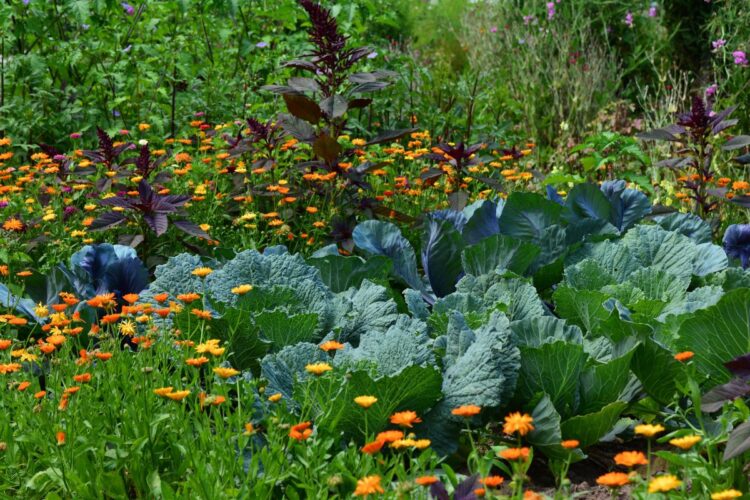
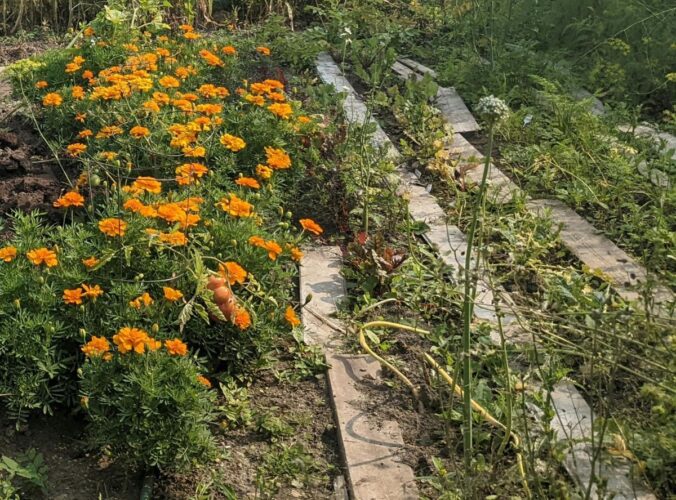
🌼 Marigolds + Almost Anything
Marigolds are a garden favorite for a reason—they help deter nematodes and other pests, making them a great companion for many vegetables.
Plants That Should NOT Be Planted Together
Just as some plants help each other, others can actually hinder growth. Here are a few combinations to avoid:
- Tomatoes + Corn – They attract the same pests
- Onions + Beans – Onions can stunt bean growth
- Carrots + Dill – Dill can interfere with carrot development
- Potatoes + Tomatoes – Both are prone to the same diseases
Tips for Successful Companion Planting
To get the most out of your garden, keep these simple tips in mind:
- Mix flowers with vegetables to attract beneficial insects
- Rotate crops each year to prevent soil depletion
- Pay attention to spacing so plants don’t compete for sunlight
- Start small—try a few combinations before redesigning your entire garden
Companion planting is a simple, natural way to boost your garden’s success. With just a little planning, you can grow healthier plants, reduce pests, and enjoy a more productive harvest.
If you’re looking for an easy way to improve your garden this season, start by pairing a few of these plants together—you might be surprised at the results!
You may also like:


- Arranging your garden with this in mind can double your bounty!
- Informative, illustrated and practical guide
- Riotte, 6 x 9", 211 pages


- Step-by-step advice for success with more than 30 vegetables in any zone|The dirt on soil: why testing is so important—and how to do it|Easy techniques for growing in-ground plus alternatives to traditional raised beds|Seed-starting and -saving methods simplified|Gardeners’ friends and foes: which plants help (or hinder) vegetables|Enlightening (and humorous!) anecdotes from fellow gardeners|Space for noting observations and experiences|More than 150 full-color photos|Essential reference tables and charts|Much much more!