This post contains affiliate links. Please see my disclosure policy for more information.
6 Plants That Repel Pests: Natural Ways to Keep Bugs Away
Looking for a natural way to keep bugs away without relying on chemical sprays? Adding the right plants to your garden or patio can help deter common pests while also adding color, fragrance, and beauty to your space. Many plants naturally produce oils and scents that insects simply don’t like, making them a simple and effective solution for everyday pest problems.
In this guide, you’ll find a list of plants that naturally repel pests, along with the types of bugs they help keep away and why they work so well. Whether you’re planting a backyard garden, decorating your porch, or adding greenery indoors, these pest-repelling plants are an easy way to create a more comfortable, low-maintenance environment.
Rosemary
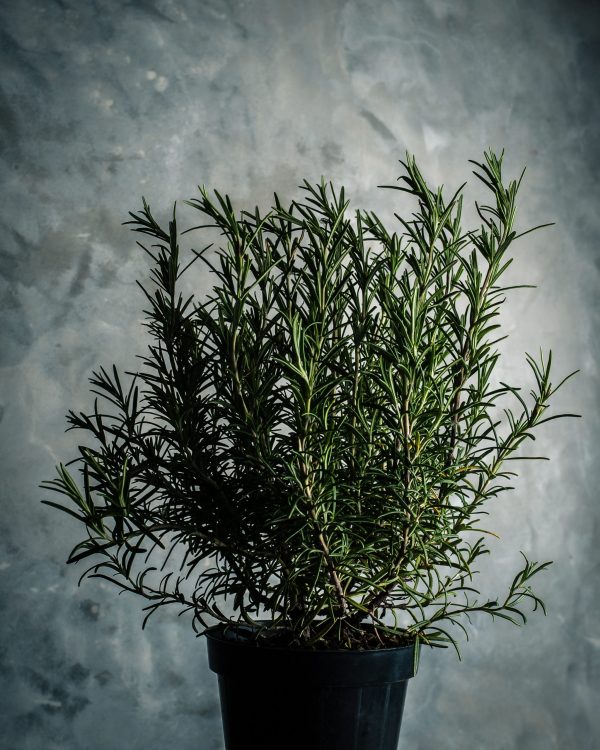
Rosemary is known to repel several types of bugs due to its strong aroma and natural essential oils, particularly eucalyptol (1,8-cineole), camphor, and rosmarinic acid. These compounds interfere with the sensory receptors that insects use to locate food and hosts.
Bugs That Don’t Like Rosemary:
Mosquitoes
Why: Mosquitoes rely on scent to find their prey, and the potent smell of rosemary overwhelms their sense of smell.
How it’s used: Burning rosemary or using its oil in sprays or lotions can help deter mosquitoes.
Flies (including house flies and fruit flies)
Why: Rosemary’s scent masks the smell of food or decay that attracts flies.
How it’s used: Sprigs of rosemary or oil-infused sachets can be placed around food areas.
Cabbage Moths (and some other garden pests)
Why: These pests are deterred by the scent and volatile oils in rosemary.
How it’s used: Planted near crops like cabbage or broccoli as a companion plant.
Ticks
Why: The strong essential oils in rosemary can irritate or repel ticks’ sensory organs.
How it’s used: Often used in natural tick-repellent sprays for pets and humans.
Fleas
Why: Rosemary oil disrupts the nervous system of fleas, making it a popular natural flea repellent.
How it’s used: Used in pet shampoos and sprays.
Peppermint
Peppermint is a powerful natural insect repellent thanks to its high concentration of menthol and other essential oils that interfere with bugs’ ability to smell or function properly. Menthol, the main compound in peppermint oil, has a strong odor and cooling effect that bugs find overpowering or even toxic. Peppermint also contains limonene and pulegone, which are natural insect deterrents.

Bugs That Don’t Like Peppermint:
Ants
Why: Peppermint oil overwhelms their scent trails, which ants use to communicate and find food.
How to use: Spray diluted peppermint oil along entry points, baseboards, and countertops.
Spiders
Why: Spiders dislike strong smells like peppermint, which irritates their sensitive receptors.
How to use: Spray peppermint oil in corners, windowsills, and basements.
Mosquitoes
Why: Menthol confuses their ability to detect carbon dioxide and body heat, key to finding prey.
How to use: Use peppermint oil in a diffuser or mix with water and spray on skin (with carrier oil).
Flies (House Flies, Fruit Flies)
Why: The strong scent disrupts their ability to detect food and breeding areas.
How to use: Hang peppermint sachets or use oil diffusers near food areas or trash cans.
Cockroaches
Why: Peppermint oil contains compounds toxic to roaches, and the smell repels them from nesting.
How to use: Mix with water and spray in cracks, under sinks, and behind appliances.
Ticks & Fleas
Why: The menthol irritates their nervous systems and masks host signals like warmth and scent.
How to use: Often found in natural sprays or shampoos for pets.
Catnip
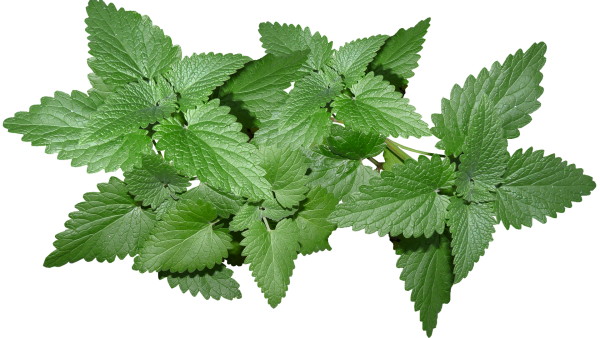
This perennial herb is related to mint and grows readily both as a weed and a commercially cultivated plant in most areas of the US. Nepetalactone, found in catnip’s leaves and stems, targets insect nervous systems. It either masks attractants (like carbon dioxide or body heat) or triggers avoidance behavior in many bugs. Catnip also contains other compounds like citronellol and thymol, which add to its repellent properties. Catnip is non-toxic to humans and can be grown easily in gardens or pots as a natural bug deterrent.
Bugs That Don’t Like Catnip:
Mosquitoes
Why: Nepetalactone is more effective than DEET in some studies at repelling mosquitoes. It interferes with their ability to detect human scent and carbon dioxide.
How to use: Crush fresh leaves or use catnip essential oil mixed with a carrier oil or water-based spray.
Cockroaches
Why: Nepetalactone disrupts their sensory pathways and acts as a deterrent.
How to use: Place dried catnip in sachets in cabinets or under appliances.
Flies (including stable flies and houseflies)
Why: Strong-smelling terpenes in catnip confuse their scent receptors.
How to use: Use catnip oil in diffusers or sprays in fly-prone areas.
Ticks
Why: Catnip compounds repel ticks similarly to how they repel mosquitoes — by affecting the tick’s sensory system.
How to use: Use diluted essential oil sprays on clothing or pet-safe blends.
Termites
Why: Some research shows nepetalactone may have toxic or repellent effects on termites.
Note: Not a foolproof treatment, but it contributes to general insect resistance.
Marigold
Marigolds are hardy annual plants that have a distinctive smell that many bugs find particularly offensive. They also contain Pyrethrum, a compound used in many insect repellents. Marigolds (Tagetes species) are beautiful, hardy flowers, and they’re natural pest repellents, thanks to their pungent scent and special compounds like pyrethrum, limonene, and thiophenes.

Bugs That Don’t Like Marigolds:
Mosquitoes
Why: Marigolds produce pyrethrum, a natural insecticide found in some mosquito repellents. The scent masks attractants like carbon dioxide and body odor.
How to use: Plant marigolds around patios, doorways, or in garden beds near seating areas.
Aphids
Why: Aphids are deterred by the strong aroma of marigold leaves and flowers, especially French marigolds.
How to use: Interplant marigolds among vegetables (especially tomatoes or peppers) to protect them.
Whiteflies
Why: Marigolds confuse and repel whiteflies, especially when used as a trap crop or deterrent border.
How to use: Plant near crops like tomatoes, eggplants, and squash.
Nematodes (microscopic soil worms)
Why: Marigold roots release natural chemicals (alpha-terthienyl and thiophenes) that kill or repel harmful nematodes.
How to use: Grow marigolds as a cover crop, then till them into the soil before planting vegetables.
Cabbage Worms and Other Brassica Pests
Why: The scent masks the smell of host plants like cabbage, kale, and broccoli.
How to use: Plant marigolds around brassica crops as a barrier.
Mexican Bean Beetles
Why: The fragrance and possibly the root secretions help deter this pest.
How to use: Companion plant near beans for added protection.
Basil
Basil (Ocimum basilicum) is more than just a tasty herb; it’s also a powerful natural bug repellent. The secret lies in its essential oils, especially linalool, eugenol, and estragole, which disrupt insects’ sensory systems. Plant basil around your house, garden, or picnic areas, and flies as well as mosquitoes will stay away.
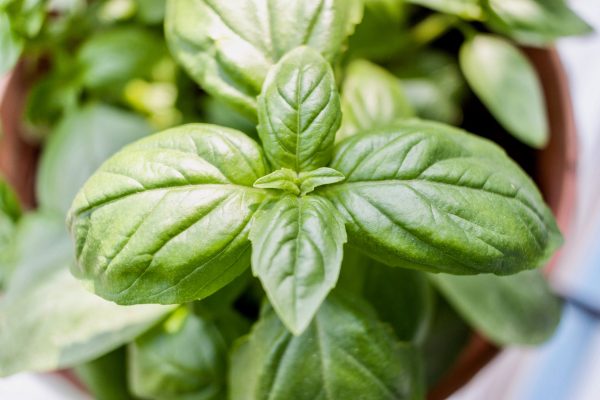
Bugs That Don’t Like Basil:
Mosquitoes
Why: Basil emits linalool and eugenol, which confuse mosquitoes and interfere with their ability to detect carbon dioxide and body heat — two cues they use to find people.
How to use: Rub fresh basil leaves on your skin (test for irritation first), or grow basil in pots near seating areas.
Houseflies
Why: The pungent aroma of basil overwhelms their scent receptors and masks food sources.
How to use: Place fresh basil near windows, doors, or kitchen counters.
Whiteflies
Why: Strong-smelling compounds like estragole repel whiteflies by interfering with their attraction to host plants.
How to use: Companion plant basil near tomatoes or peppers to keep whiteflies at bay.
Aphids
Why: Basil’s essential oils mask the chemical signals plants emit, confusing aphids and discouraging feeding.
How to use: Plant among vegetables or herbs prone to aphid infestations.
Thrips
Why: The oils in basil are irritating to thrips and help reduce their activity around treated plants.
How to use: Use basil sprays (made with diluted essential oil) or companion planting.
Spider Mites
Why: Some studies suggest basil’s volatile oils act as a deterrent or mild irritant to spider mites.
How to use: Grow basil around mite-prone crops like cucumbers or beans.
Lavender
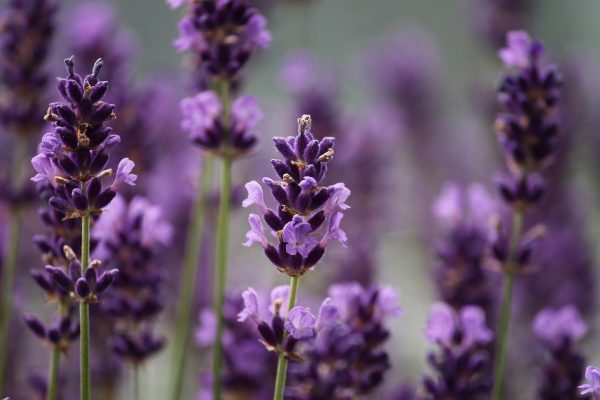
Lavender (Lavandula spp.) is a beautiful, fragrant herb and a natural bug repellent. Its essential oils, especially linalool, linalyl acetate, and camphor, are powerful compounds that deter insects by overwhelming their sense of smell or disrupting their nervous systems.
Bugs That Don’t Like Lavender:
Mosquitoes
Why: Lavender oil contains linalool, which confuses mosquitoes’ ability to detect carbon dioxide and body heat — the signals they use to find people.
How to use: Plant lavender near outdoor seating areas, or apply diluted lavender oil to skin as a natural repellent.
Moths
Why: The scent of dried lavender repels moths and helps prevent them from laying eggs on fabrics.
How to use: Place dried lavender sachets in closets and drawers.
Flies (Houseflies, Fruit Flies)
Why: Lavender’s strong fragrance overwhelms their olfactory system, deterring them from food or waste areas.
How to use: Use lavender essential oil in sprays or diffusers in kitchens or trash areas.
Fleas
Why: Lavender oil can be irritating or even toxic to fleas, and its smell repels them from pets and bedding.
How to use: Add diluted lavender oil to pet bedding or use in DIY flea sprays (ensure it’s safe for your pet).
Ticks
Why: Lavender’s essential oils mask host signals like heat and scent, and may interfere with their sensory organs.
How to use: Use lavender oil sprays on clothing or exposed skin (diluted with a carrier oil).
Spiders
Why: Spiders dislike strong fragrances like lavender, which may irritate their sensitive leg receptors.
How to use: Spray diluted lavender oil around windows, doors, and corners.
Adding pest-repelling plants to your home and garden is one of the simplest ways to reduce bugs naturally, without relying on harsh chemicals. Not only do these plants help keep unwanted insects away, but they also bring beauty, fragrance, and even useful herbs right to your space. It’s a win-win for both your garden and your home.
Keep in mind that while these plants can help deter pests, they work best when combined with good gardening habits like proper watering, trimming, and keeping your space clean. With a little planning, you can create a more enjoyable, low-maintenance environment where you spend less time dealing with bugs and more time enjoying your garden.

- Herb Seeds for Hydroponic Garden and Indoor Pots: These herb seeds for planting indoors thrive in hydroponic systems, AeroGarden, kitchen windowsill planters, or traditional soil. Perfect herbal seeds for apartment dwellers and urban gardeners short on outdoor space. Grow fresh herbs year-round in containers as small as 4 inches. Ideal seeds for planting herbs for renters, condo owners, and city gardeners who want homegrown flavor without a backyard.
- Perfect Christmas Gift for Gardeners & Home Chefs: This herb seed starter kit makes a thoughtful Christmas gift for mom, dad, or anyone who loves fresh ingredients. Ideal for Mother’s Day, Father’s Day, housewarmings, birthdays, and stocking stuffers. Beautifully packaged in a resealable mylar bag—ready to gift. Give fresh rosemary for holiday roasts, mint for Christmas cocktails, and sage for Thanksgiving stuffing. A meaningful gardening gift that keeps growing all year.
- Non-GMO Heirloom Herb Seeds – High Germination & Beginner-Friendly: Every seed is 100% non-GMO and heirloom, save seeds season after season for continuous harvests. Germination rates above 85% mean even first-time gardeners see results in 7-14 days. These easy herbs for beginners to grow need no special equipment, just soil, water, and sunlight. Stop paying $3-5 per bunch at the grocery store when you can grow unlimited fresh herbs for pennies. Perfect for budget-conscious families.
- Grow Culinary Herb Seeds for Cooking, Teas, Crafts & Teaching Kids: These herbs aren’t just for cooking—brew fresh mint tea, dry lavender for sachets, make dill pickles from scratch, or use rosemary in homemade skincare. Teach children where food comes from with hands-on garden projects perfect for homeschool families and classrooms. Fresh herbs also make stunning kitchen décor in mason jars or hanging planters. Ideal for foodies, wellness enthusiasts, and parents seeking screen-free activities.


- USDA CERTIFIED ORGANIC & NON-GMO: Grow your own fresh culinary herbs with peace of mind. Our open pollinated, heirloom variety pack is 100% clean, natural, rigorously tested for germination, and proudly certified organic by Oregon Tilth.
- 10 GOURMET HERB VARIETIES: Elevate your home cooking with this curated kit of popular kitchen herbs: Thyme, Italian Oregano, Cilantro, Giant Italian Parsley, English Lavender, Genovese Basil, Broadleaf Sage, Bouquet Dill, Common Chives, and Thai Basil.
- GERMINATION GUARANTEE: Never worry about dud seeds again. We sustainably store our herb packets in temperature- and humidity-controlled facilities to maximize freshness, ensuring robust sprouting and a beautiful, thriving home garden. If any issues, we promise to make it right.
- EXPERT GROWING SUPPORT INCLUDED: Perfect for beginners and seasoned gardeners alike. Every purchase grants exclusive access to our step-by-step seed-starting video guides, plus on-packet planting tips to help your indoor or outdoor garden flourish.
- PERFECT FOR ALL GARDEN TYPES: Whether you are planting in a windowsill planter, raised backyard bed, or indoor kitchen hydroponics system, these versatile heirloom plants adapt beautifully to any environment for fresh, year-round harvesting.

- Huge Value - 35 Medicinal & Tea Herb Seeds for Planting Indoor & Outdoors. NON-GMO Heirloom Seeds for LESS THAN $1.10 PER SEEDS VARIETY - Over 16300 seeds: Anise, Italian, Thai&Purple Basil, Bergamot, Bishop's Flower, Borage, Calendula, Poppy, Cape Forget-Me-Not, Caraway, Catnip, Chamomile, Chervil, Cilantro, Dandelion, Dill, Echinacea, Fennel, Hyssop, Lavender, Lemon Balm, Lovage, Marjoram, Lemon&Mountain Mint, Peppermint, Oregano, Pansy, Rosemary, Sage, Summer Savory, Thyme, Yarrow, Zinnia
- Easy & Fun Growing Experience with our online guides - Don’t plant disappointment - Add more colors to your herbal garden with our Medicinal & Tea Herb Seeds Variety Pack! We send only super hearty herb seeds with the highest germination rate and fast sprout. Our detailed growing guide helps you grow the garden of your dream like a PRO
- Fresh Medicinal & Tea Herbs from Seeds to Your Table All Year Round. Grow medical and tea seeds everywhere - Indoor in window and hydroponics garden or transfer them to your Outdoor Home Garden. Grow your herbal seeds and Enjoy healthy meals the help of our cooking guide
- Outstanding Meaningful Gift - for couples, vegetarians, vegans, gardeners, house survivalist, people who are looking for a new hobby or trying something new. Can be used for a variety of occasions - as a housewarming, babyshower, birthday, anniversary gift and more
- Made in the USA by Small Family-Owned Business - Quality You Can Trust - Our herb seeds are tested at highest germination rates before being sealed to last for up to 3 years before you need to plant. Each packet in our seeds variety pack is resealable to make easy to store and has own label with a QR code for the growing instructions

- Complete All-In-One Kit - No need to buy separate supplies. This herb starter set comes with 4 plastic planter pots, 4 soil discs, 4 plant markers 4 heirloom herb seed packets, and essential planting tools—everything you need to start your indoor herb garden immediately.
- NON-GMO, Heirloom Varieties - Carefully selected culinary herb collection includes Cilantro, Genovese Basil, Common Chives, and Italian Giant Parsley. Perfect for home cooking enthusiasts who want to snip fresh, flavorful herbs straight from their kitchen garden to elevate pastas, pizzas, salads, and sauces.
- Premium Quality - Each herb seed packet is sourced from the latest growing season to ensure maximum viability. Enjoy a bountiful harvest of herbs right from your windowsill with our high-germination seeds.
- Incredibly Easy to Grow - This kit comes with simple, step-by-step growing instructions. Just add soil, water, and place your pots on a sunny windowsill. Most herbs sprout within 7–14 days. Whether you're a first-time gardener, a busy parent, or an apartment dweller, you'll enjoy fresh homegrown herbs with minimal effort.
- PERFECT GIFT - Whether it’s a housewarming gift, birthday surprise, Mother‘s Day present, or a thoughtful treat for your favorite cook, this herb garden kit brings joy and fresh flavor to any home.

- High planting efficiency: Start an indoor herb garden with the Ahopegarden hydroponic growing system, which includes a water reservoir, an overhead LED grow light, and a circulation system that keeps the water fresh. The hydroponic setup and lighting systems allow plants to grow up to faster and healthier in controlled conditions. Simply add plant seeds, water, and nutrients to the reservoir and watch the plants grow
- 10 Pods & Water Level Window Included: This indoor grow kit with light offers 10 growing stations, The reservoir of our hydroponic vegetable garden kit also comes with a see-through water level window, so with a glance, you can see how much water is in the reservoir and when it’s time to add more water.
- 2 Growing Modes for Veggies, Fruits & Flowers: The grow light of our indoor veggie growing system features full-spectrum lamps that simulate natural sunlight, and you can choose between two different light modes (vegetables or flowers&fruit ) based on what you are growing, blue for vegetables and red for fruit. Flowers also can be grown in this indoor plant grower system
- 14.5 Inches Height-Adjustable Light Post: Our harvest indoor hydroponic garden comes with a bright grow light that can be adjusted in height as the plants grow taller. Plants can grow up to 14.5 inches. What’s more, the grow lights are on a 16-hours-on, 8-hours-off timer. So with an automatic light timer, there’s really not much you have to do to get your plants growing u
- Perfect for Family: This indoor garden plant germination kit is an ideal for families on Christmas and other holidays. This hydroponic growing kit is small enough to fit on the counter in the kitchen, which allows users to grow and vegetables indoors year-round. This indoor planter with grow light really is the that keeps on giving