
This post may contain affiliate links. Please see my disclosure policy for more information.
Plants You Shouldn’t Keep Inside (and Why)
Houseplants can brighten a room, improve your décor, and even help create a more relaxing atmosphere. However, not every plant is a great choice for growing indoors. Some popular houseplants are toxic to pets or children, others can trigger allergies or skin irritation, and a few simply aren’t well-suited to life inside your home.
Before bringing home a new plant, it’s worth taking a few minutes to learn about its care requirements and any potential safety concerns. Choosing the right houseplants can help you avoid unnecessary stress while keeping your family and pets safe. Here are several plants you may want to think twice about before adding them to your indoor collection.
English Ivy
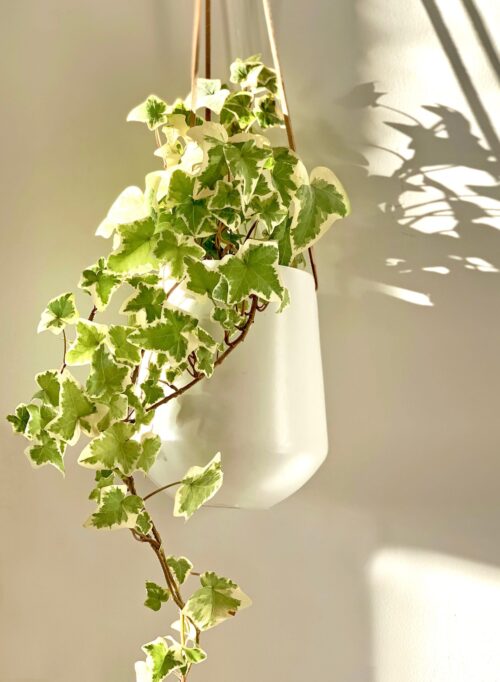
English Ivy is a classic trailing houseplant, but it isn’t the best choice for every home. The leaves and berries contain compounds that can cause vomiting, drooling, stomach upset, and other symptoms if eaten by pets or children.
Some people also develop skin irritation after handling the plant, especially while pruning or repotting it. Although English Ivy has been promoted as an air-purifying plant, its potential risks often outweigh its benefits for households with curious pets or young children.
Oleander
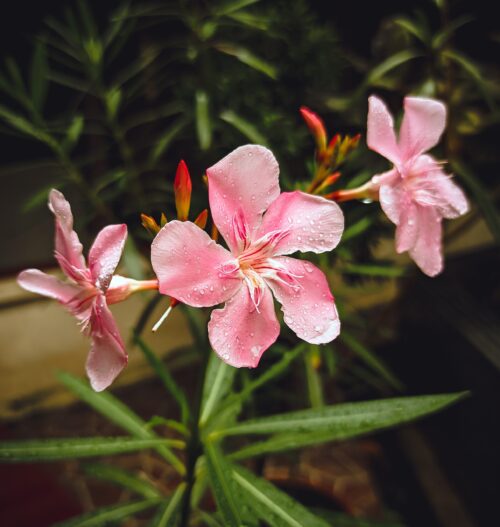
Oleander is one of the most poisonous ornamental plants you can grow. Every part of the plant-including the flowers, leaves, stems, and even the water from cut flowers-is highly toxic.
Ingesting even a small amount can cause severe heart problems, vomiting, diarrhea, dizziness, and potentially fatal poisoning in both people and animals. Because of its extreme toxicity, oleander is best enjoyed outdoors in climates where it can safely grow, well away from children and pets.
Bonsai Trees
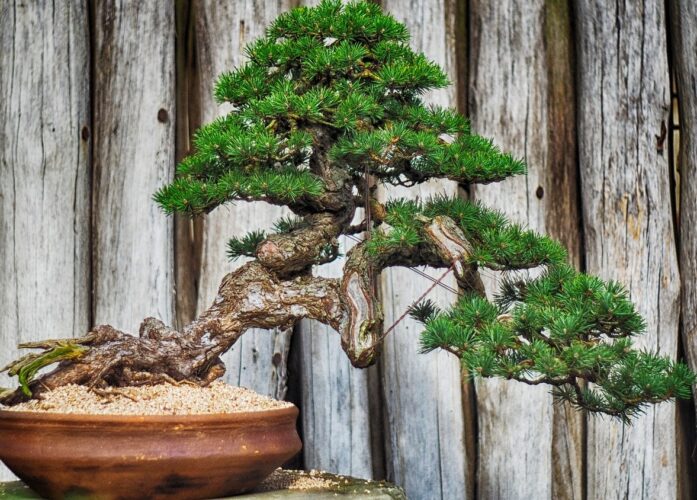
Not all bonsai trees are created equal. “Bonsai” refers to the growing style rather than a specific species, so the safety of a bonsai depends entirely on the type of tree.
Some bonsai varieties, such as jade, are relatively safe, while others-including bonsai made from yew, azalea, or ficus-can irritate the skin or be toxic if eaten by pets. Before purchasing a bonsai tree, identify the species, so you can determine whether it’s safe for your household.
Dumb Cane (Dieffenbachia)
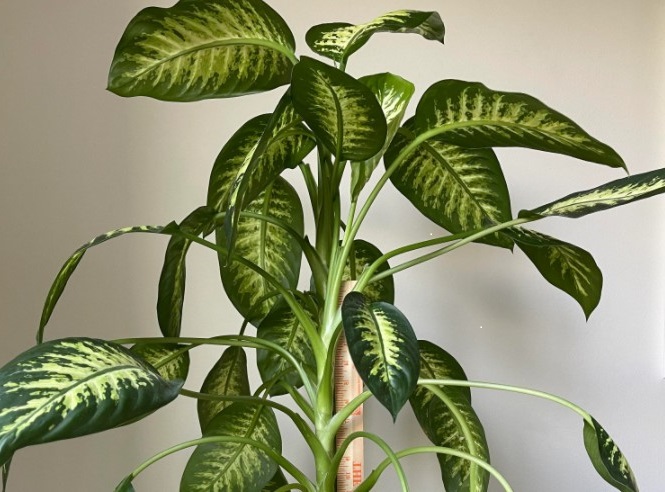
Dumb Cane is a popular indoor plant because of its attractive foliage and easy care, but it’s also one of the most common toxic houseplants.
The plant contains calcium oxalate crystals that can cause intense burning, swelling, drooling, and difficulty swallowing if chewed by people or pets. While fatalities are rare, the symptoms can be severe enough to require immediate medical attention. If you have cats, dogs, or small children, it’s usually best to choose a safer alternative.
Lilies
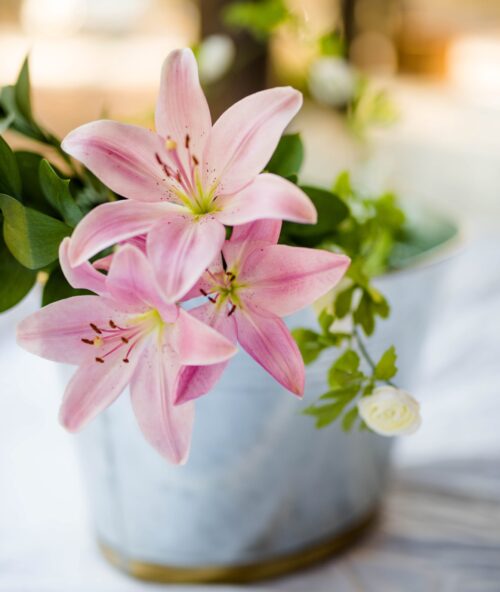
Lilies are stunning flowers, but they’re especially dangerous for cat owners.
Many true lilies-including Easter, Asiatic, and Tiger lilies-are extremely toxic to cats. Even licking pollen from their fur, chewing a leaf, or drinking water from a vase containing lilies can cause acute kidney failure. Immediate veterinary treatment is critical.
While most lilies are less dangerous for dogs and people, they can still cause stomach upset if eaten. If you share your home with cats, it’s safest to avoid lilies altogether.
Caladium
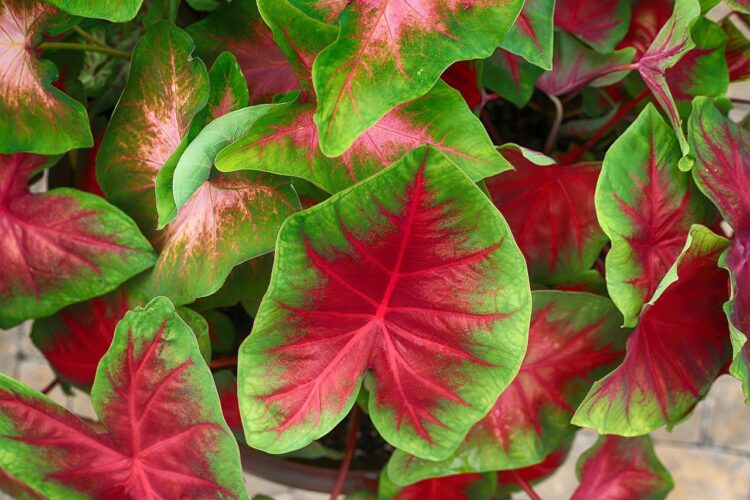
Caladium, sometimes called Angel Wings or Elephant Ears (depending on the variety), is known for its colorful leaves. Unfortunately, every part of the plant contains calcium oxalate crystals.
Chewing the leaves can cause immediate burning of the mouth, swelling of the lips and throat, excessive drooling, and difficulty swallowing. These symptoms affect both people and pets, making caladium a poor choice for homes with children or animals that like to nibble on plants.
Philodendron
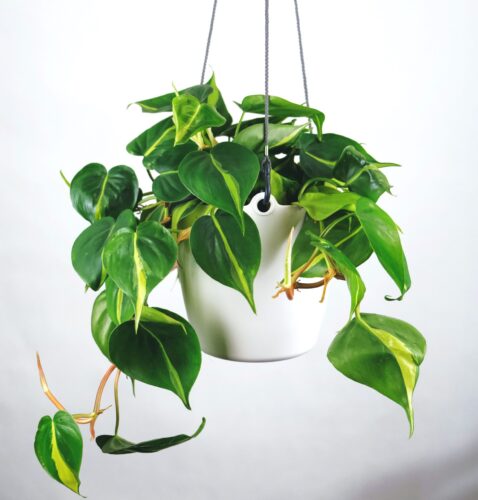
Philodendrons remain one of the most popular houseplants because they’re attractive and easy to grow. However, they also contain calcium oxalate crystals similar to those found in Dumb Cane and Caladium.
If eaten, philodendrons can cause mouth irritation, swelling, drooling, and stomach upset in both pets and people. Their sap may also irritate sensitive skin, so wearing gloves while pruning or repotting is a good idea.
Pothos
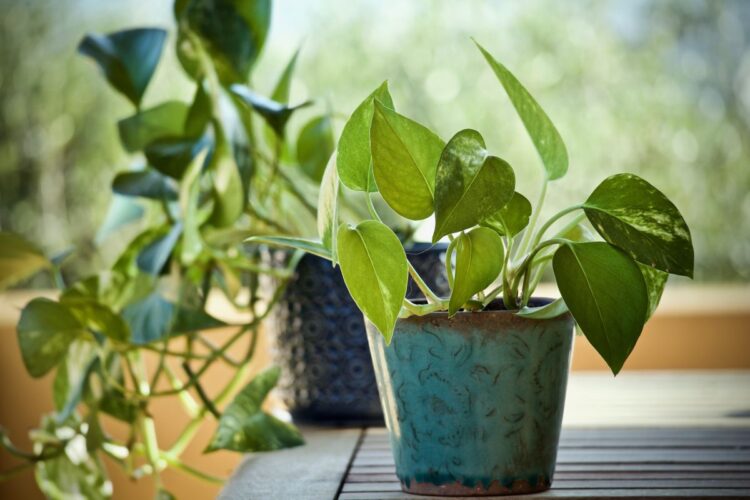
Pothos is one of the easiest and most popular houseplants to grow, making it a favorite for beginners. Its trailing vines and heart-shaped leaves can brighten almost any room, but it does come with a safety concern. Like philodendrons and dumb cane, pothos contains calcium oxalate crystals that can cause irritation if chewed.
If a child or pet bites into the leaves, they may experience burning in the mouth, drooling, swelling of the lips and tongue, and difficulty swallowing. While pothos poisoning is rarely life-threatening, it can be very painful and may require veterinary or medical care. If you have curious pets or young children who like to explore with their mouths, it’s best to keep pothos out of reach or choose a pet-friendly alternative.
Sago Palm

Sago Palm may give your home a tropical feel, but it’s one of the most dangerous plants you can keep indoors if you have pets. Every part of the plant is poisonous, especially the seeds, which contain a toxin called cycasin.
Even a small amount can cause severe vomiting, diarrhea, weakness, liver failure, seizures, and, in some cases, death. Dogs are especially vulnerable, but the plant is also toxic to cats and people. Because of its high toxicity and potentially fatal consequences, many experts recommend avoiding Sago Palm entirely in homes with pets or small children.
Many houseplants are perfectly safe to grow indoors, but others require extra caution. If you have pets, small children, or anyone with allergies or sensitive skin in your home, it’s worth researching a plant before bringing it inside.
That doesn’t mean you have to give up houseplants altogether. There are plenty of beautiful, low-maintenance options that are both pet-friendly and easy to care for. Choosing the right plants will help you enjoy all the benefits of indoor gardening without unnecessary risks.
Frequently Asked Questions
What are the most toxic houseplants for pets?
Some of the most toxic houseplants include oleander, true lilies, dumb cane (Dieffenbachia), philodendron, pothos, sago palm, and caladium. Always check whether a plant is pet-safe before bringing it home.
Are all lilies toxic?
No. The greatest danger is to cats, and true lilies are among the most toxic plants they can encounter. Other plants commonly called “lilies” vary in toxicity, so it’s important to identify the exact species.
Can houseplants cause allergies?
Yes. Some plants produce pollen, while others may irritate the skin with their sap. Mold growing in overly damp potting soil can also trigger allergy symptoms in sensitive individuals.
What are some safe indoor plants for homes with pets?
Spider plants, Boston ferns, areca palms, parlor palms, prayer plants, peperomia, and many orchids are generally considered safe choices for homes with cats and dogs.
How can I keep toxic plants safely indoors?
If you choose to keep a toxic plant, place it completely out of reach of children and pets, wear gloves when pruning if the sap is irritating, and clean up any fallen leaves or flowers promptly.

- HOUSE PLANT BOX: Includes a rotating assortment of 4 greenhouse-grown, low-maintenance plants in 4.25" nursery pots
- POPULAR VARIETIES IN EVERY PACK: Features popular plants like Philodendron, Pothos, Syngonium, Aralia, Ficus, and pet-safe plants like Peperomia, Calathea, and Ferns
- PLANT LOVER GIFTS: Gift with cute plant pots or ceramic planters for indoor plants to make these the perfect gifts for plant lovers
- FRESH FROM THE FARM: Grown with love and shipped with care directly from our team of passionate horticulturists
- ABOUT US: We love animals as much as we love plants. That's why a portion of every purchase is directed to our mission to help place shelter animals in happy homes.


- LIVE INDOOR HOUSEPLANTS: Each order includes a rotating selection of 12 popular indoor plants in 2 in. grower pots
- UNIQUE VARIETIES IN EVERY PACK: Features Pothos, Peperomia, Spider Plants, Croton, Ficus, Syngonium, Begonia, and more
- COMPACT SIZE, BIG IMPACT: Small but striking, this pack is perfect for event decor, grouped planters, and DIY projects
- FUN GIVEAWAY GIFTS: Easy party favors and gifts for plant lovers with a variety of options featured in every box
- GROWN WITH CARE: Grown fresh and hand-selected to ensure every pack is a delightful surprise

- LIVE INDOOR HOUSEPLANTS: Includes a rotating assortment of 6 popular indoor plants in 2 in. grower pots, ranging in height by variety - approximately 4 - 6 in. tall
- WHAT'S IN THE BOX: Features Pothos, Peperomia, Spider Plants, Croton, Ficus, Syngonium, Begonia, and more
- COMPACT SIZE, BIG IMPACT: Small but striking, this pack is perfect for event decor, grouped planters, and DIY projects
- GROWN WITH CARE: Our hand-selected assortment rotates monthly to ensure every pack is a delightful surprise
- FRESH FROM THE FARM: Grown with love and shipped with care directly from our team of passionate horticulturists

- 28 inches: Pots are 4.9'' tall, 4.3'' wide, monstera plants are 28'' tall, our faux trees indoor are perfectly proportioned to fit any shelf or desk. Unique black and gold pot design adds premium beauty to your home
- Package Content: Contains a pot with plant rhizome, 18 pieces of different sizes of monstera leaves, moss, this is a DIY style, according to your needs to assemble our plantas artificiales decorativas grandes.
- Versatile Charm: Whether it's a living room, office, or farmhouse decor, our faux plants indoor tall bring nature and aesthetics to any room, creating a warm and inviting atmosphere
- Maintenance-Free: Enjoy the beauty of fake tree without the hassle of watering or sunlight. Won't warp or fade, ideal for busy people or those with no gardening experience
- Realistic Appearance: Our realistic looking floor plant mimic the look and feel of real office plants, allowing you to effortlessly decorate your home or office with year-round lush greenery